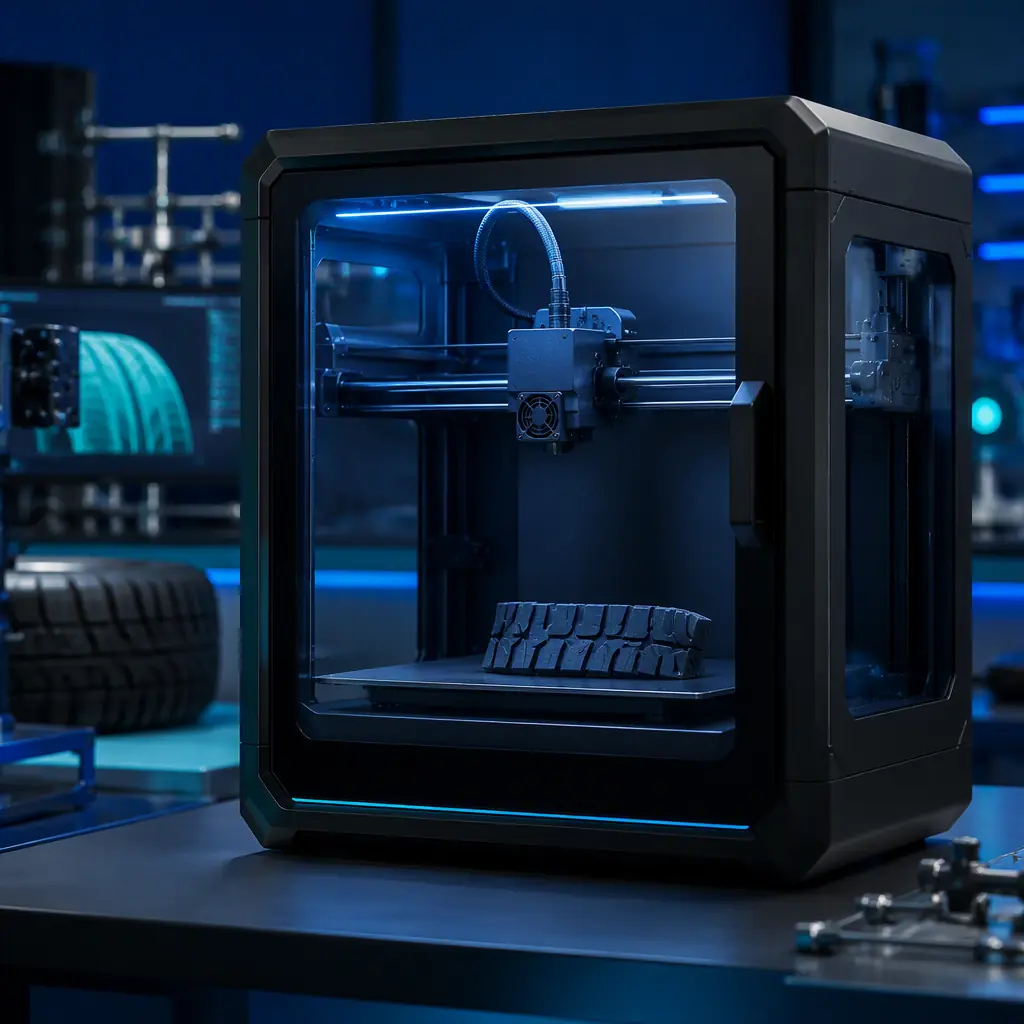
3D Printing for Tire Manufacturing
How tire plants and mold makers use 3D printing for tread pattern prototypes, mold inserts, curing fixtures, inspection gauges and legacy spare parts — and.
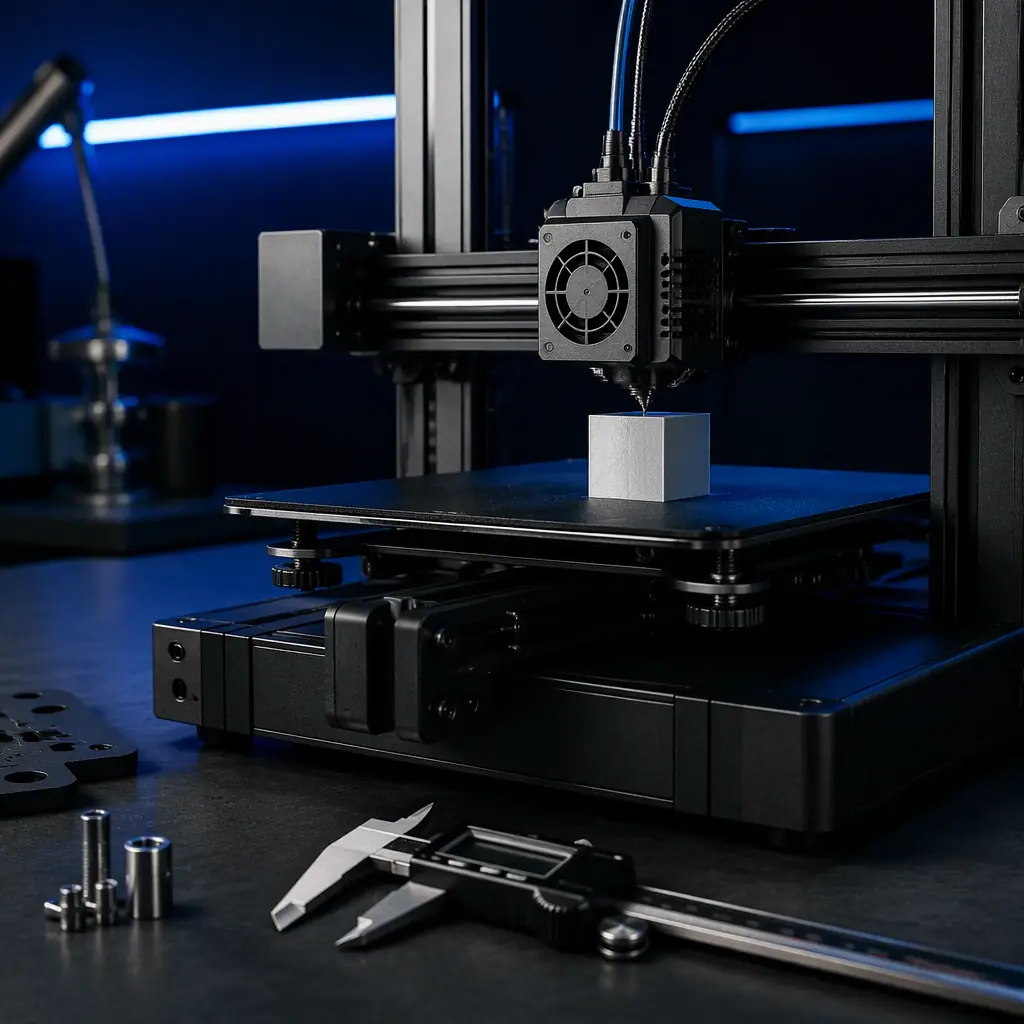
3D Printing Tolerances: What FDM, Resin & SLS Actually Hold
Real 3D printing tolerance data: FDM ±0.5%, resin ±0.1–0.2 mm, SLS ±0.3%. Material shrinkage rates, calibration effects, and how distributors turn accuracy.
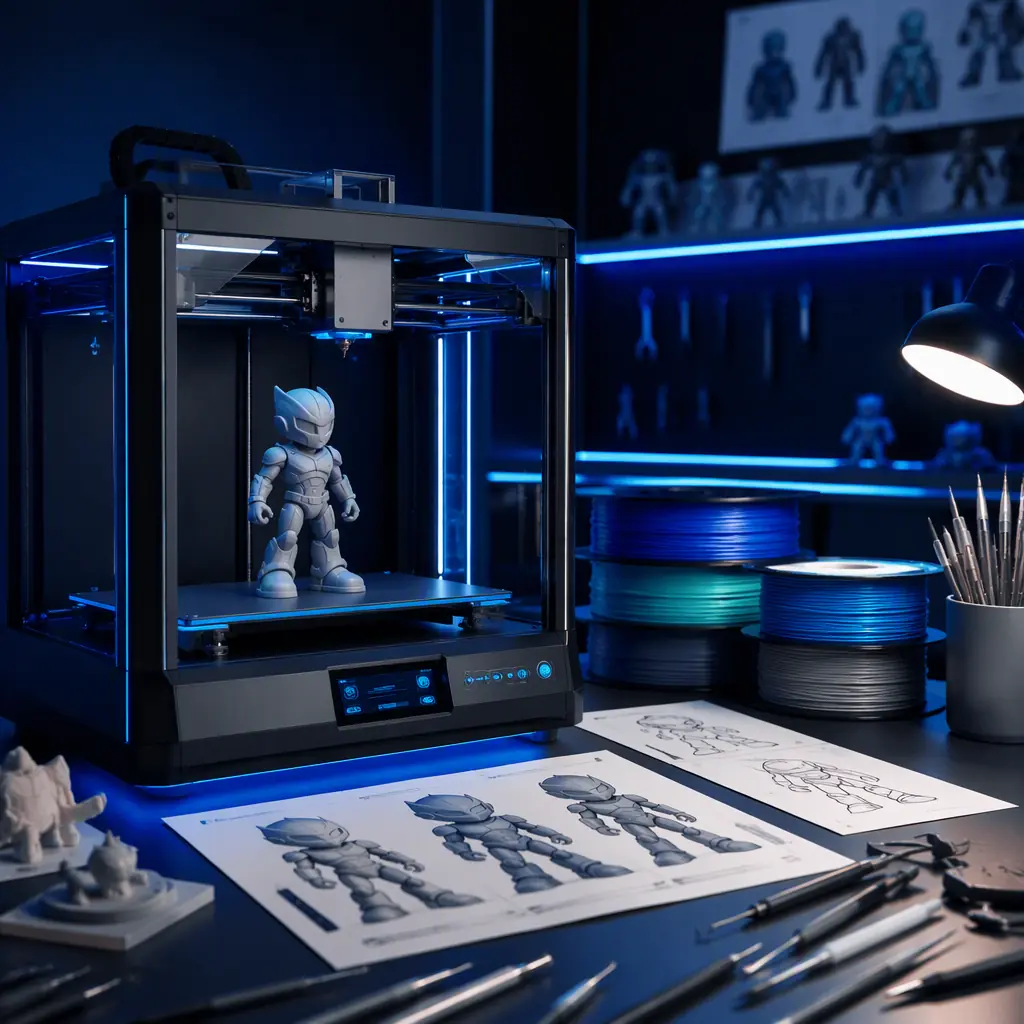
3D Printing for Toys: Prototypes, Molds & Short Runs
Toy manufacturers compress design-to-production from months to weeks with 3D printing. This guide covers the toy industry segments, the application stack.
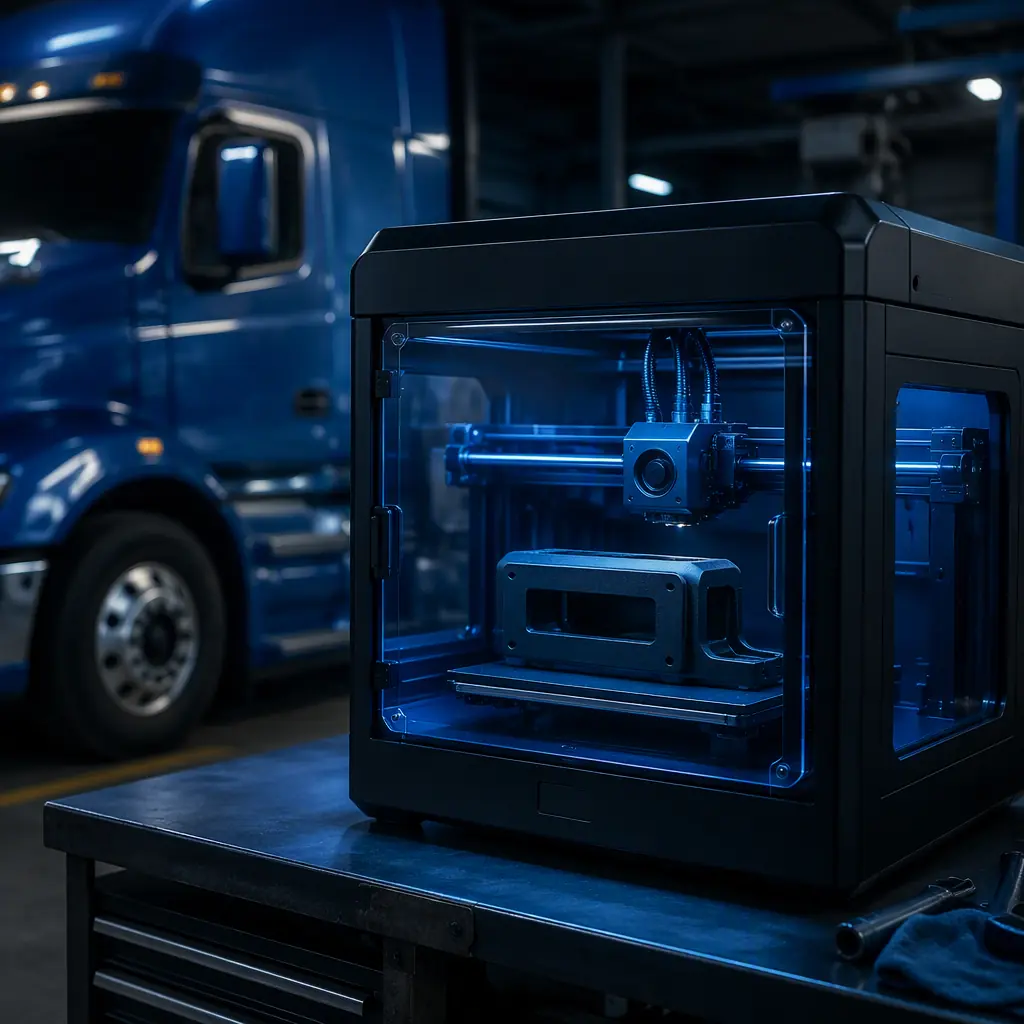
3D Printing for Trucking & Commercial Vehicles
How truck fleets, trailer builders, body shops and commercial-vehicle OEMs use 3D printing for aftermarket parts, interior trim, custom tooling and short-run.
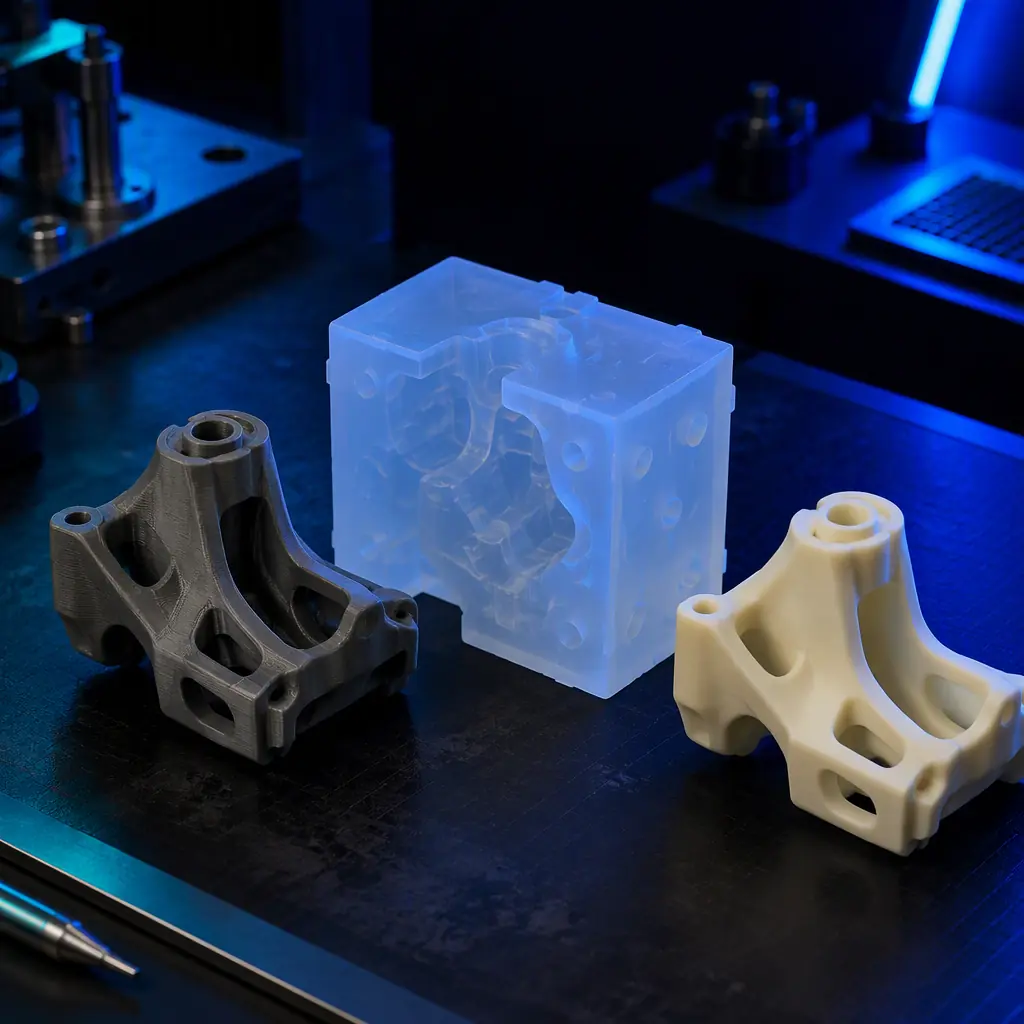
3D Printing for Urethane Casting & RTV Silicone Molds: Distributor Guide to Printed Masters
How product developers and low-volume manufacturers use 3D printed master patterns to cast urethane and RTV silicone moulds. Hardness selection, die drafts,.
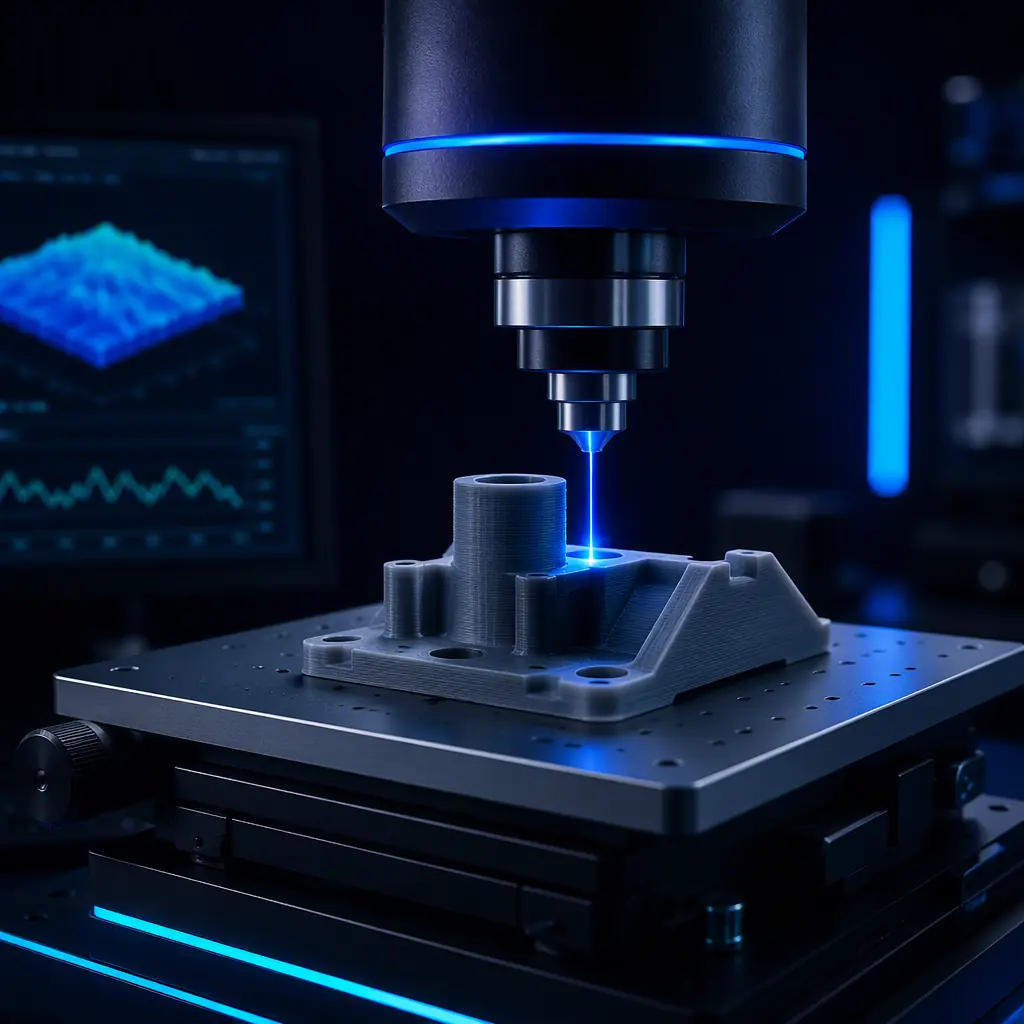
Ra & Rz Surface Roughness, Measuring & Specifying 3D Printed Parts
Surface roughness is the micro-texture left on a part, and it is one of the few printable characteristics a customer can specify with a number. Ra and Rz are the two measures used almost everywhere in

3D Printing for Tabletop Gaming & Miniatures
How 3D printer distributors sell into tabletop gaming: resin printers for miniatures, wash/cure station bundles, paint-ready workflow, and the retail margin.
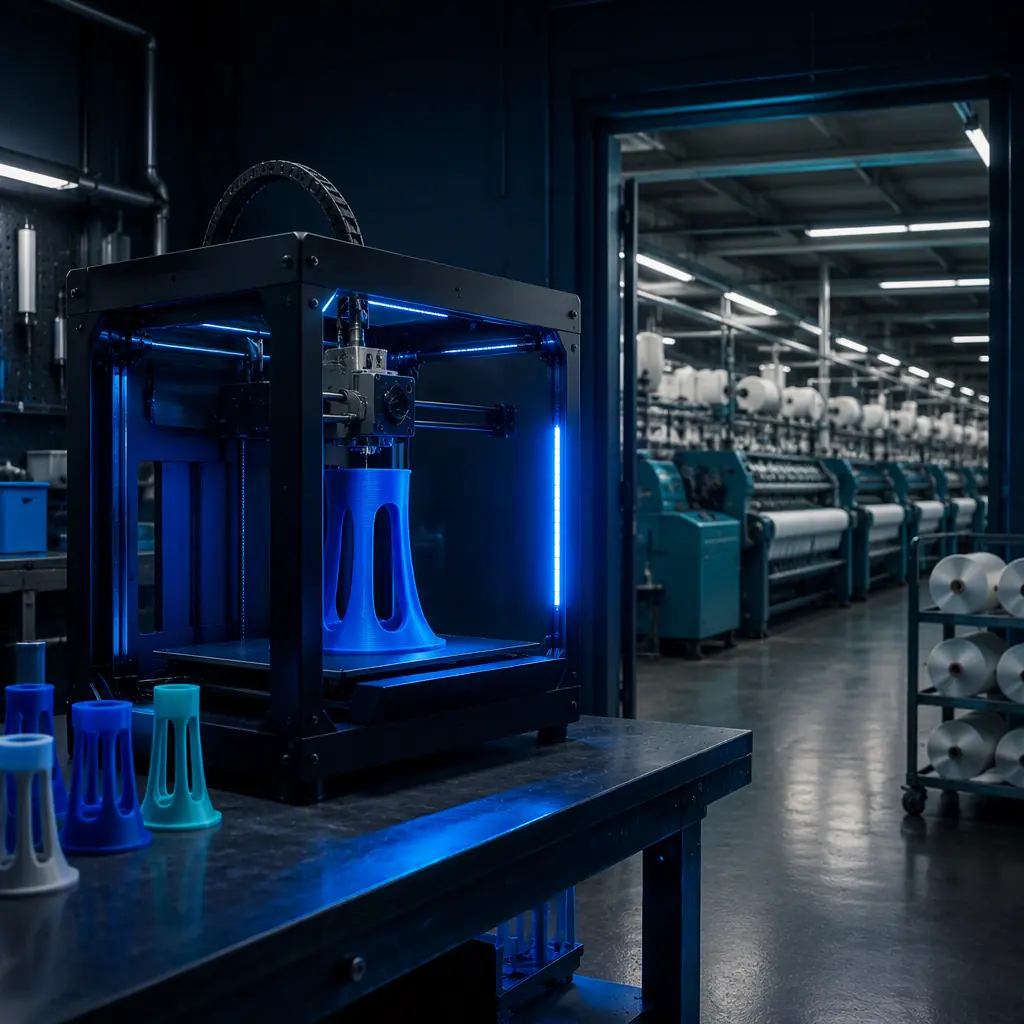
3D Printing for Textile Machinery
How 3D printer distributors sell into textile mills and machinery OEMs: loom spare parts, bobbin holders, machine guards, and the abrasion-resistance data.
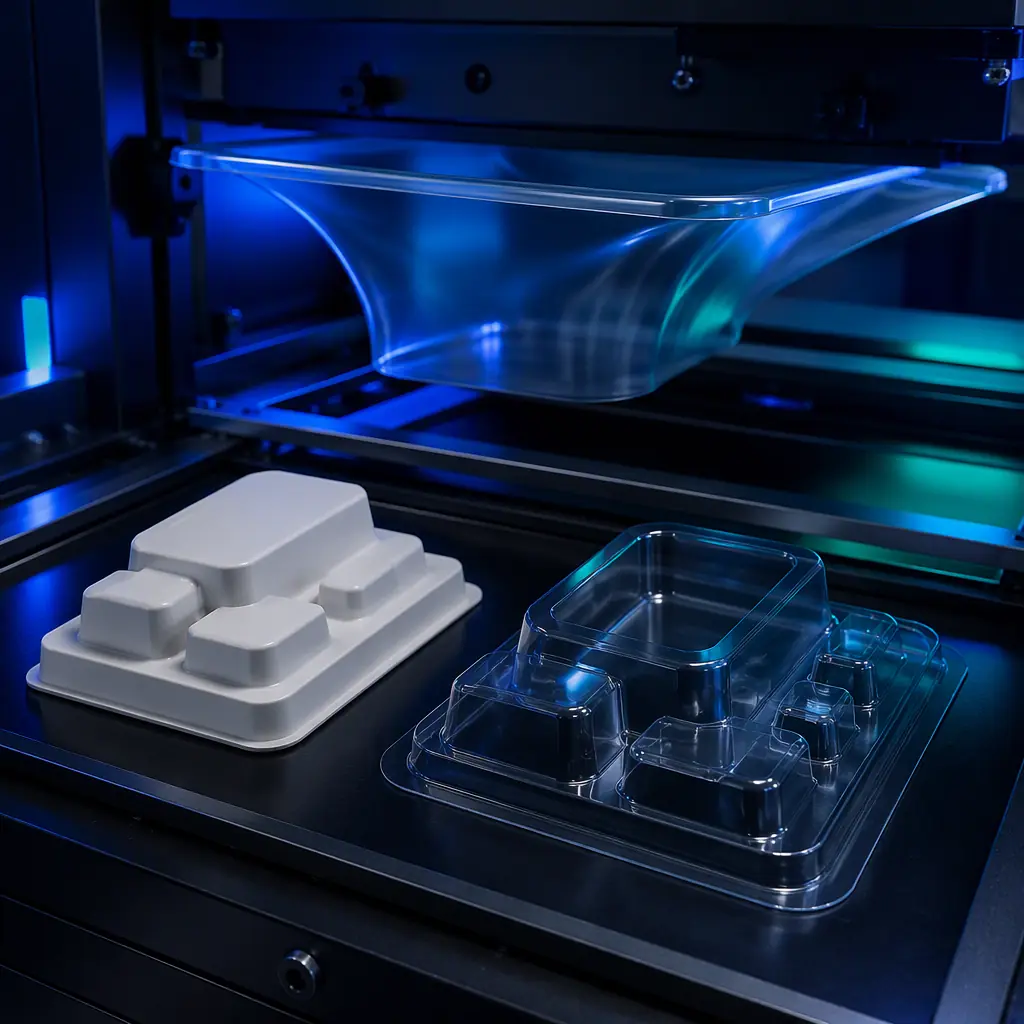
3D Printing for Thermoforming & Vacuum Forming Tooling: A Distributor’s Guide to Form Moulds, Plugs & Trim
How thermoformers and vacuum formers use 3D printed form moulds, vacuum plugs, pressure-form tools, blister tools and trim/trim-mask jigs. Abrasion-resistant.
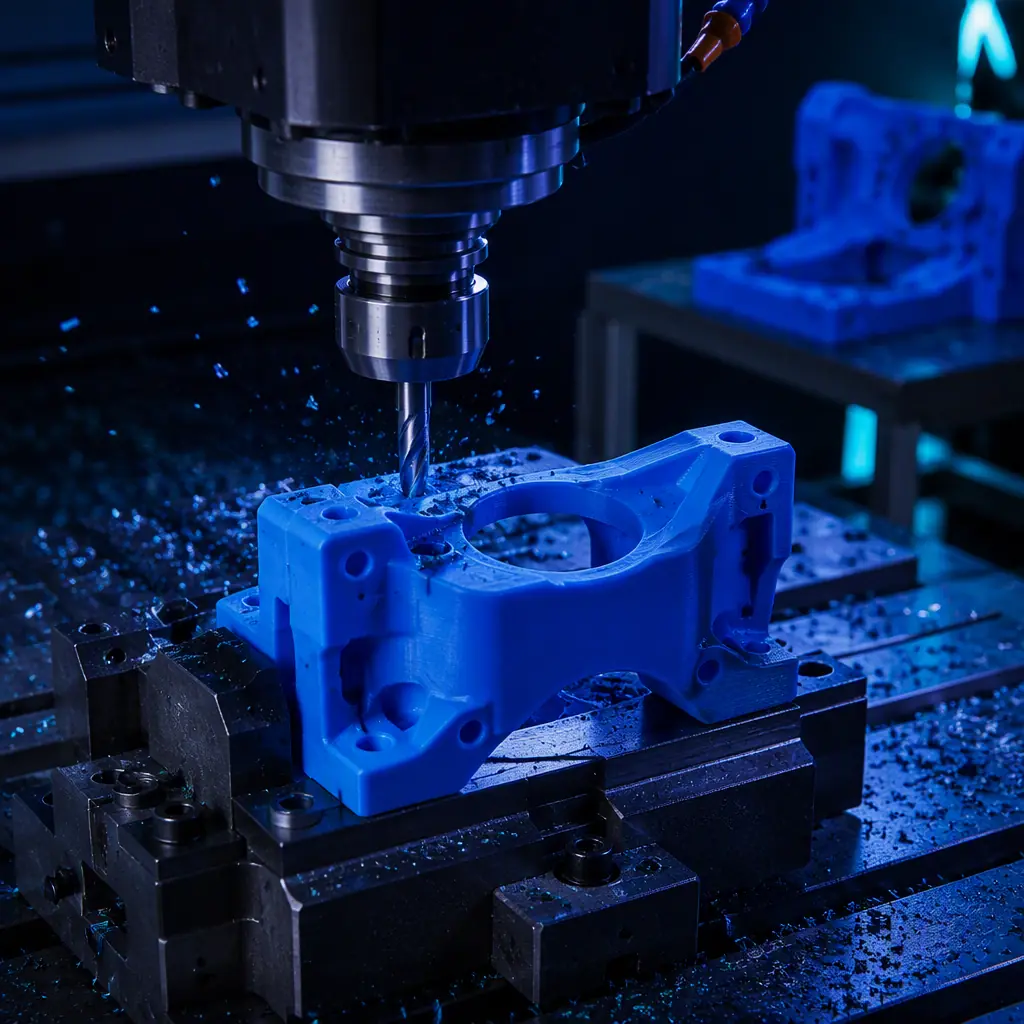
Post-Print Secondary Operations, Machining 3D Printed Parts to Spec
A 3D printed part leaves the machine as a near-net shape, but it almost never leaves it runnable as a precision component. Threads, tight bores, datum faces and fine features usually need a secondary