

FMEA and Control Plan for 3D Printing, Ranking Failure Modes So Defects Stop Repeating
Sorting defects is not a quality system. How to build an FMEA for additive manufacturing, rank failure modes by RPN, and write a control plan the printer operators can actually run.

EU GPSR & UKCA Compliance, Product Safety Rules for 3D Printers in Europe
A 3D printer distributor importing into the EU or Great Britain now carries product-safety obligations that are separate from CE and RoHS. The EU General Product Safety Regulation (2023/988) applies f
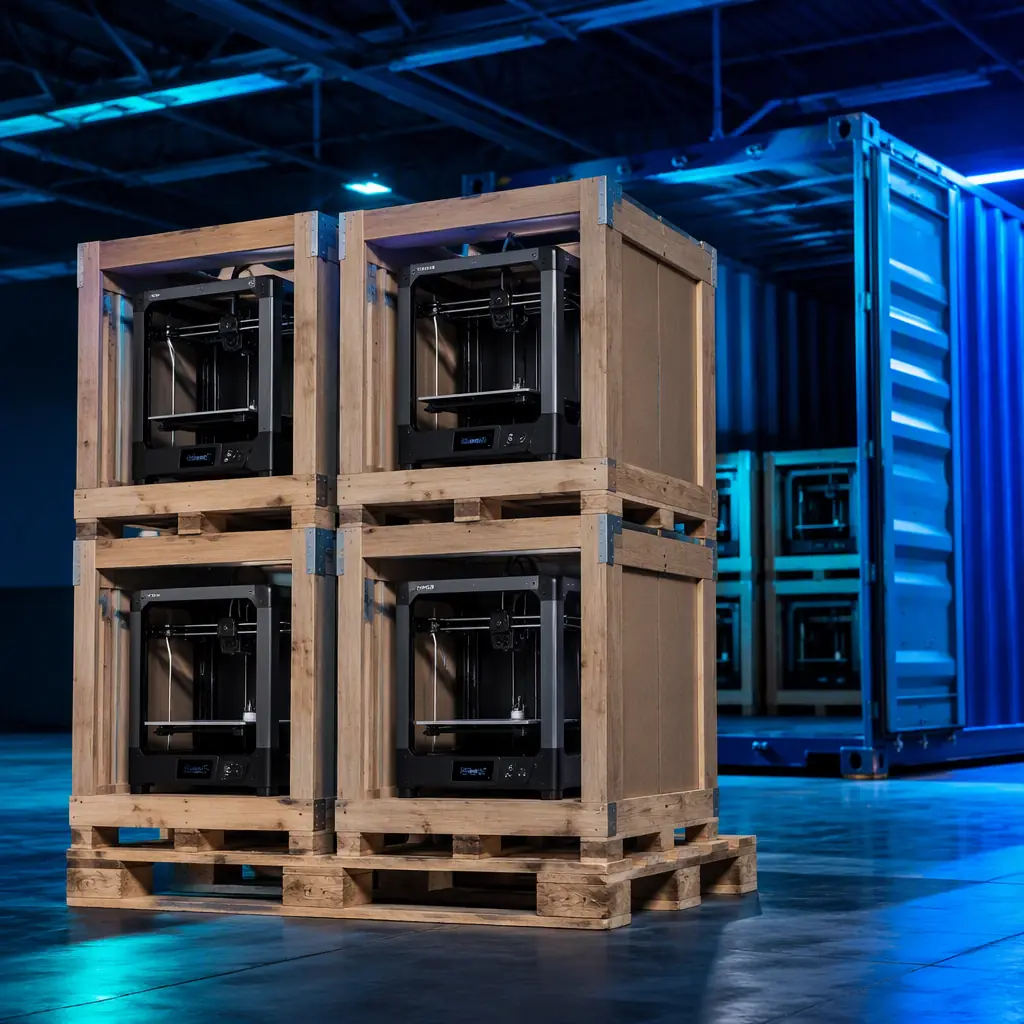
Export Documentation: The Paperwork That Clears a 3D Printer Shipment
A 3D printer shipment stalls in customs over paperwork more often than anything else. This guide breaks down the commercial invoice, packing list, bill of lading, certificate of origin and HS code — a
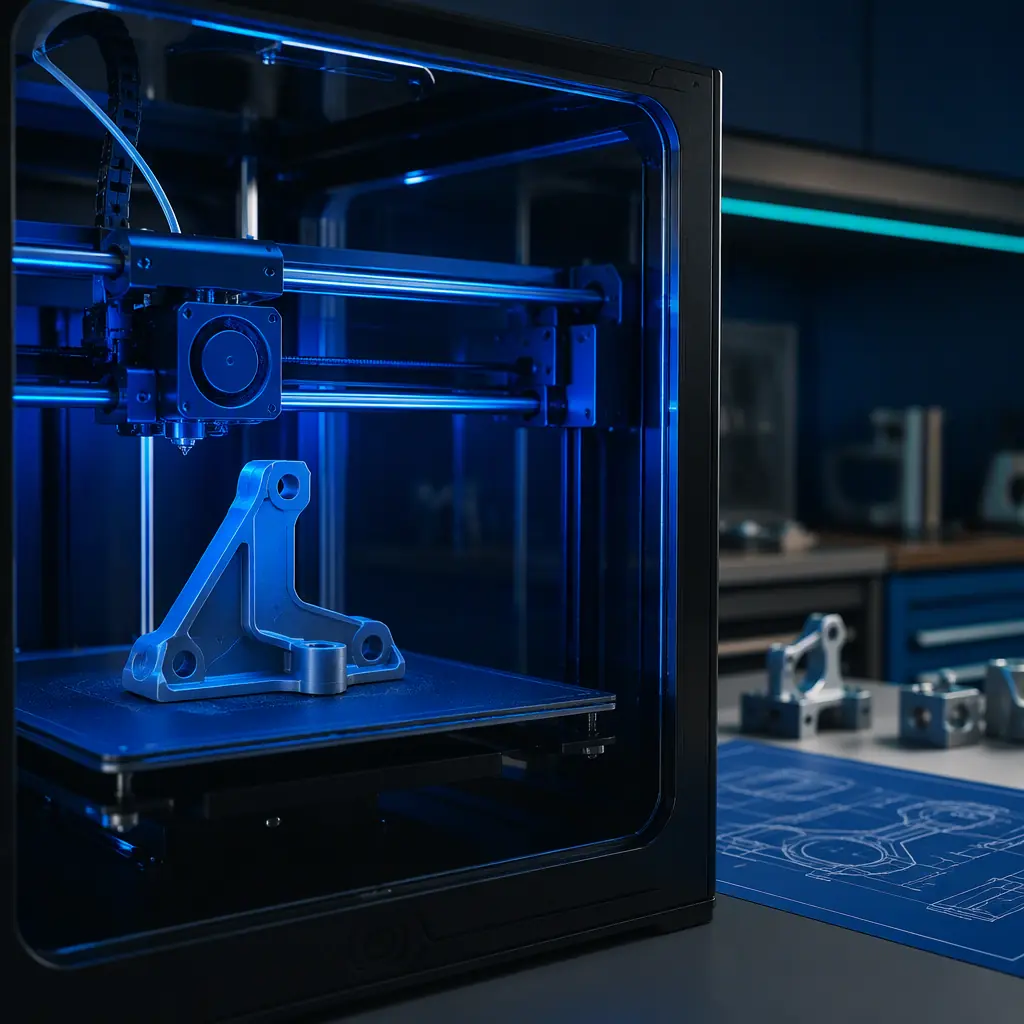
FDM 3D Printing Design Rules: The DFAM Guide for Production Parts
The complete FDM design-for-additive-manufacturing ruleset: wall thickness, minimum feature size, overhang angle, bridge length, clearance and orientation —.
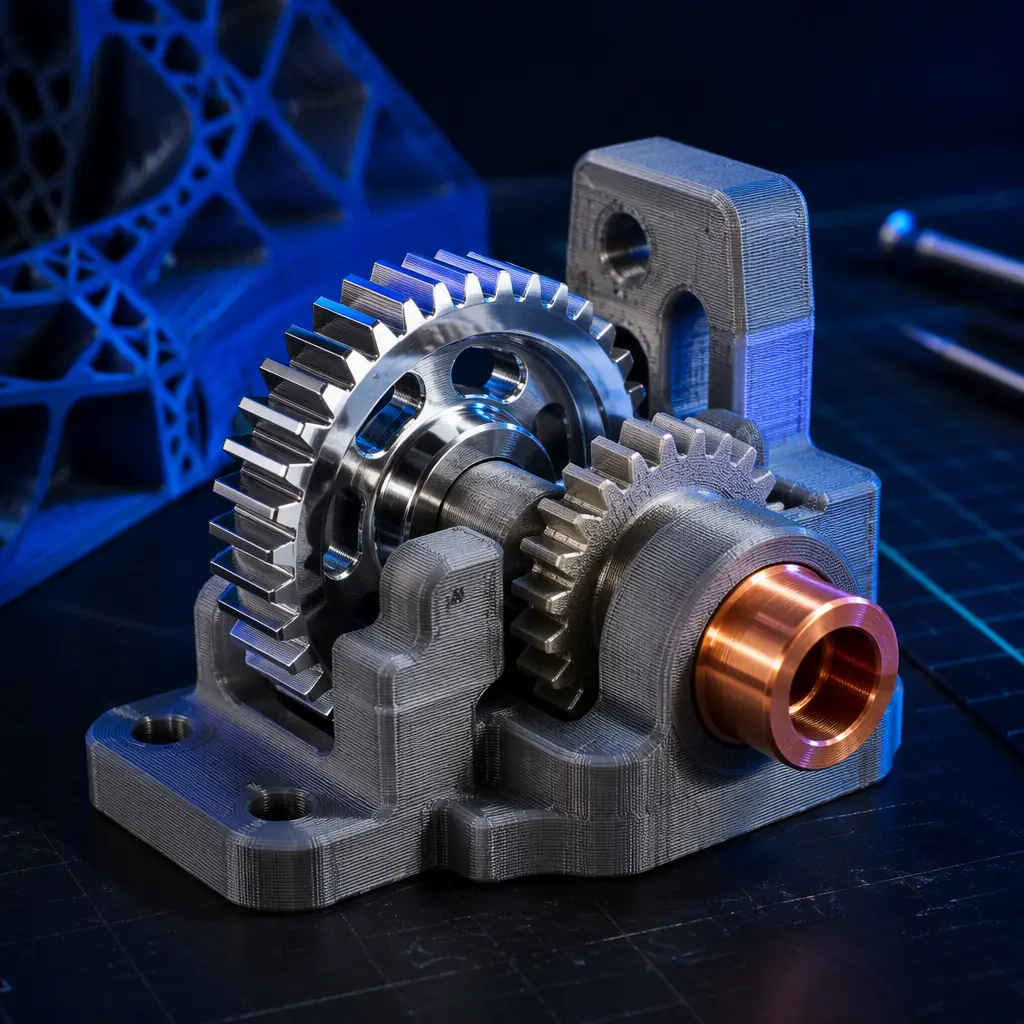
Electroplating & Electroless Metalizing of 3D-Printed Parts, Distributor Guide
A plastic 3D-printed part is soft, non-conductive and low-heat. Plating it in nickel, copper or chrome turns the same geometry into an EMI-shielding, wear-resistant, solderable component. Here is the
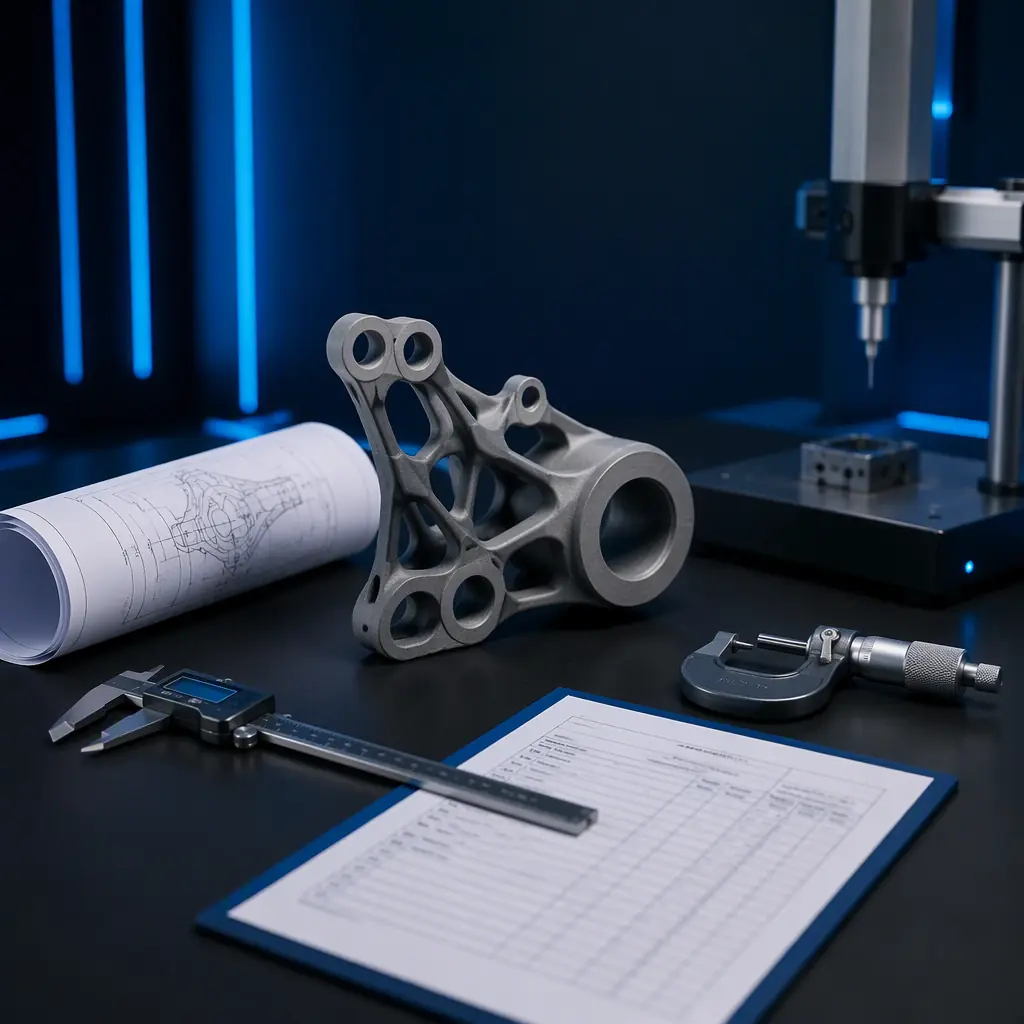
End-Use 3D Printed Components. The Qualification Protocol Buyers Should Demand Before Approving a Printed Part
Before approving a printed part as an end-use component, demand this five-gate evidence set: material certification, coupon testing, part-level testing, process capability and traceability. Includes v
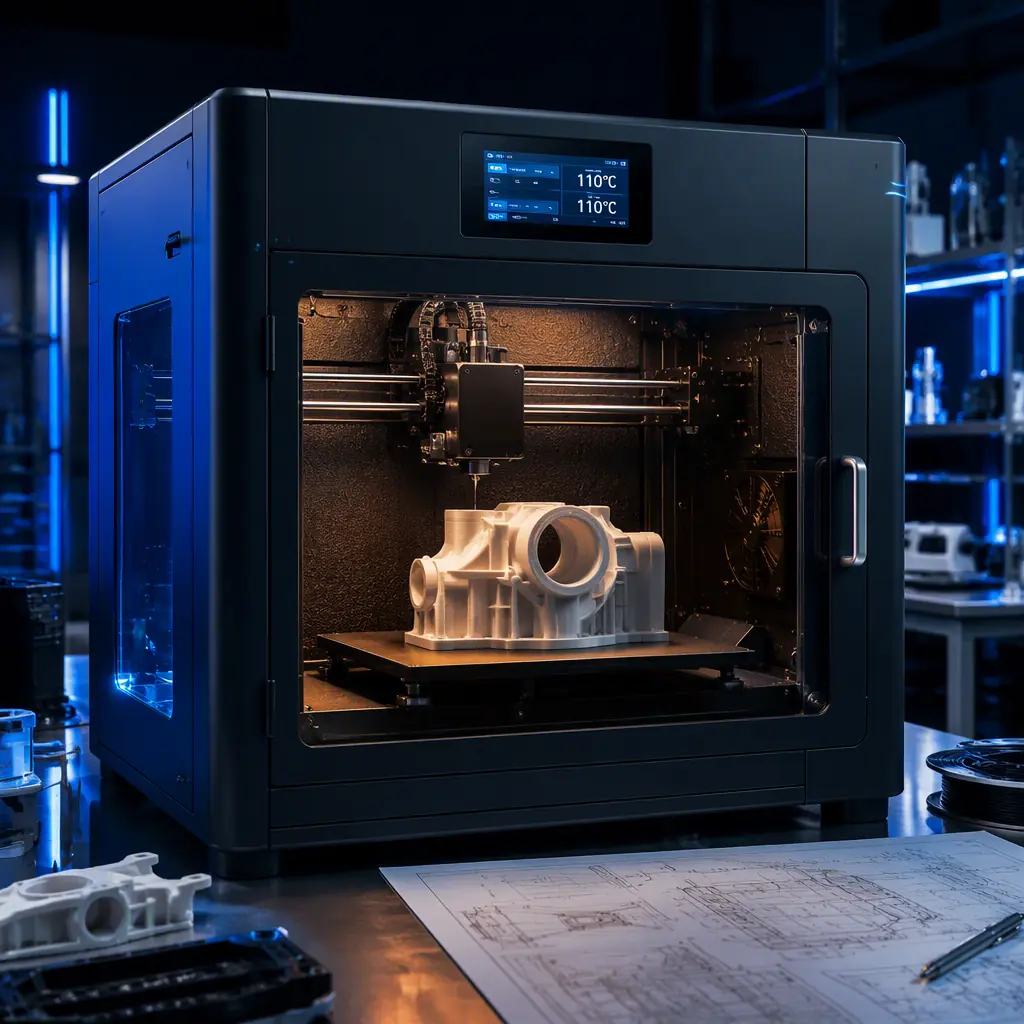
Engineering-Grade 3D Printer Selection: Buying Criteria R&D Teams Use
What separates an engineering-grade 3D printer from a hobby machine: heated chamber, material compatibility, dimensional repeatability, software ecosystem.

Device-as-a-Service (DaaS), The Subscription Revenue Model for 3D Printer Distributors
Selling a 3D printer is a one-off transaction; selling the outcome of printing is a recurring contract. Device-as-a-Service turns a flat machine sale into a per-month or per-print subscription that sm

Digital Twin and Factory Digitization for 3D Printing, Which Data Is Actually Worth Collecting
Most print farm telemetry goes unread. Which machine data changes a decision, what to instrument first, and how to digitize a 3D printing floor without a platform project.
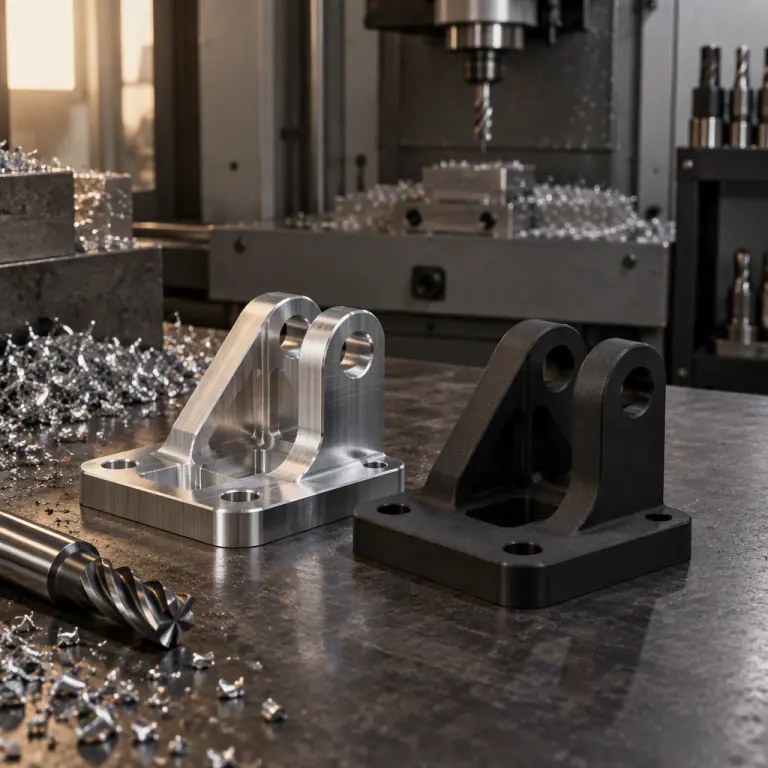
CNC Machining vs 3D Printing, A Decision Framework for Engineers
Decide between CNC machining and 3D printing per job: batch-size cost crossover, geometry, tolerance and material limits, plus a routing rule.