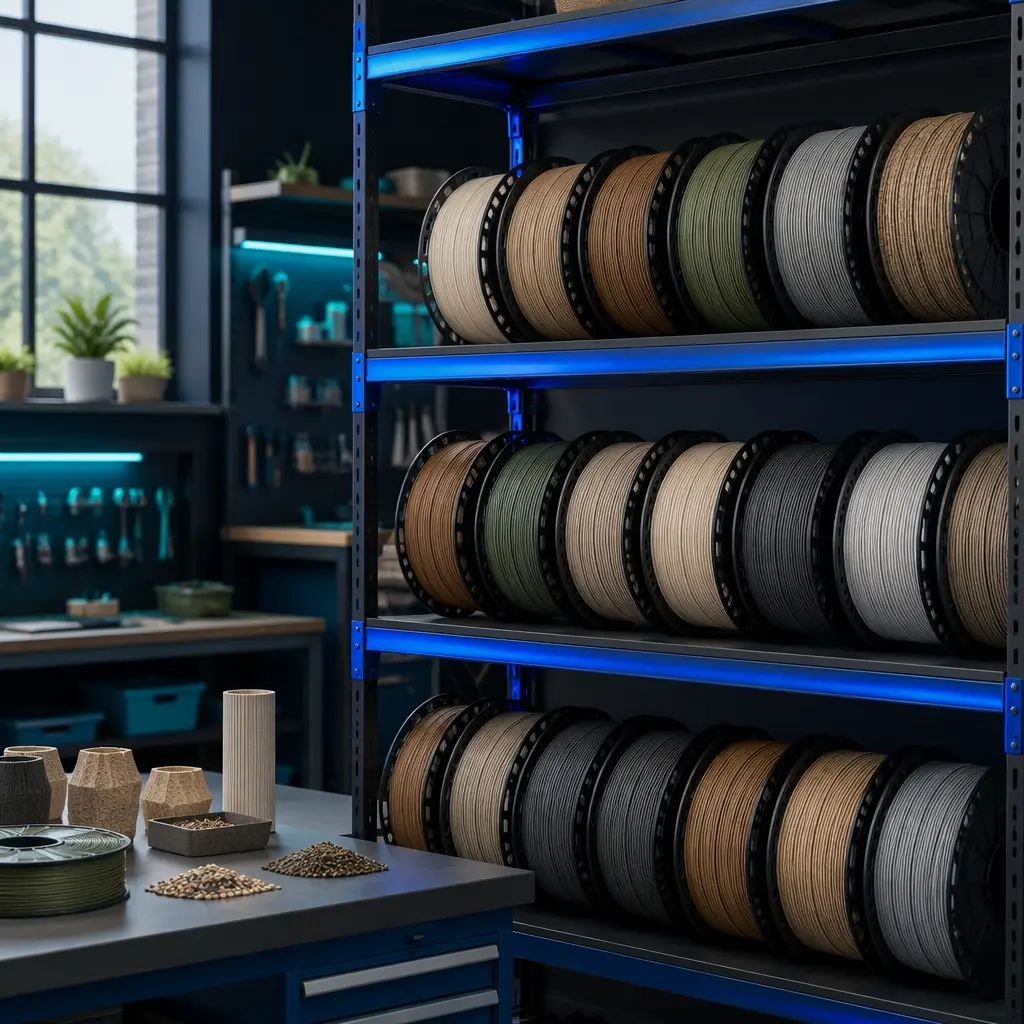
Sustainable 3D Printing for Distributors
How 3D printer distributors can profit from sustainable 3D printing: recycled filament programs (rPLA, rPETG), energy-efficient printer selection,.

Climate-Controlled Shipping for 3D Printers, Resin & Filament, Distributor Guide
A sealed container crossing the equator swings 30 °C in a day. Resin freezes, filament absorbs moisture, and a printer's electronics suffer condensation and thermal shock. The packing and routing
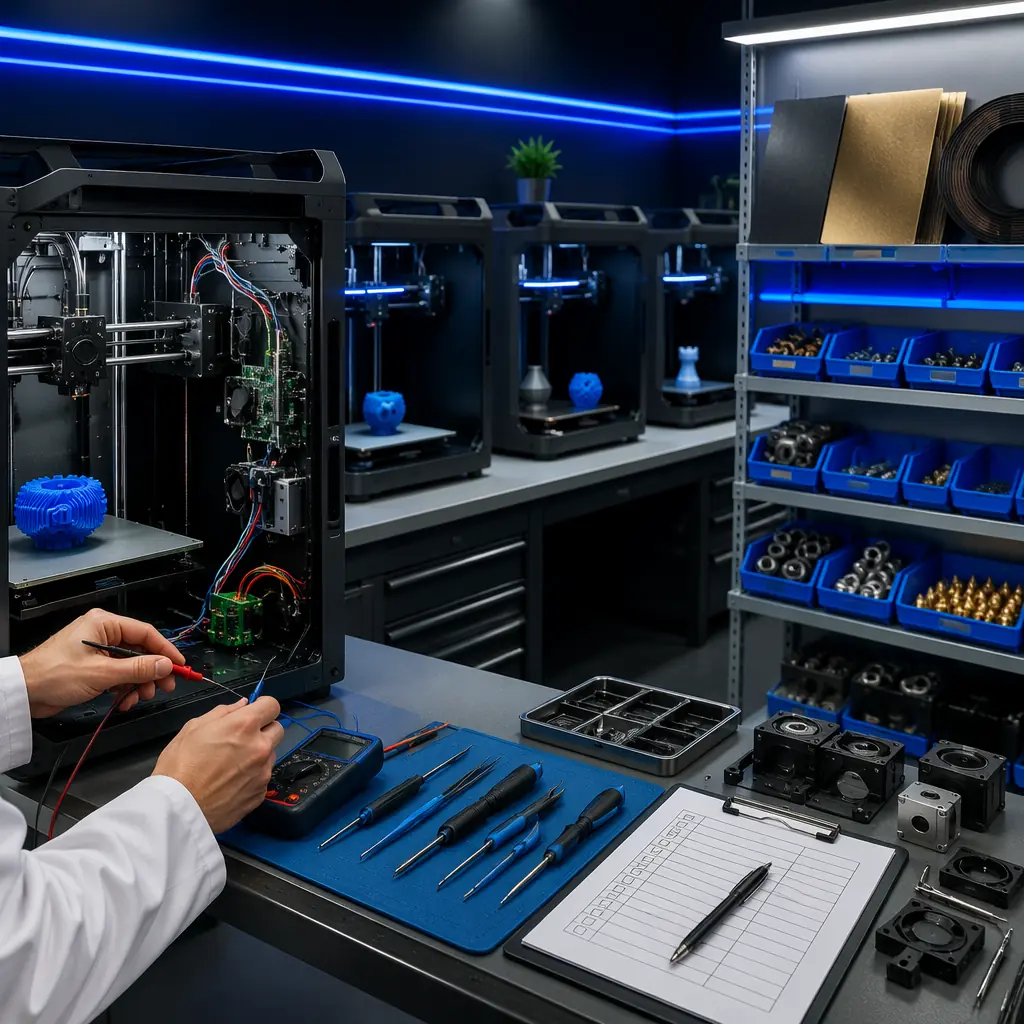
The Second-Hand & Refurbished 3D Printer Market: A Distributor's Guide to the $1.2B Secondary Opportunity
The second-hand 3D printer market is growing at 18% annually — faster than new printer sales. How distributors can build a refurbishment program: sourcing.
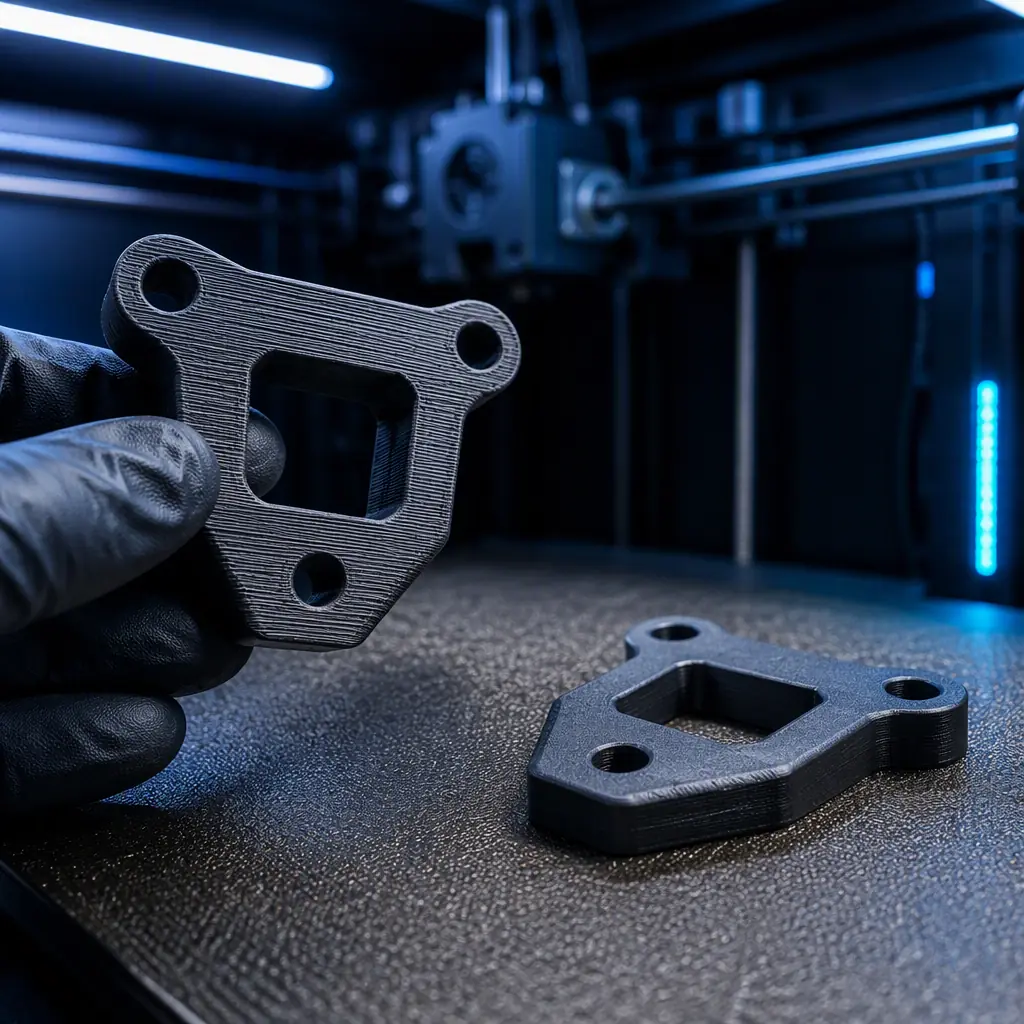
Print Orientation for 3D Printed Parts. How Build Direction Decides Strength, Finish and Cost
Orientation is the single most consequential decision in a 3D print job, and it is usually made by default. This guide explains how build direction controls anisotropic strength across layer lines, wh
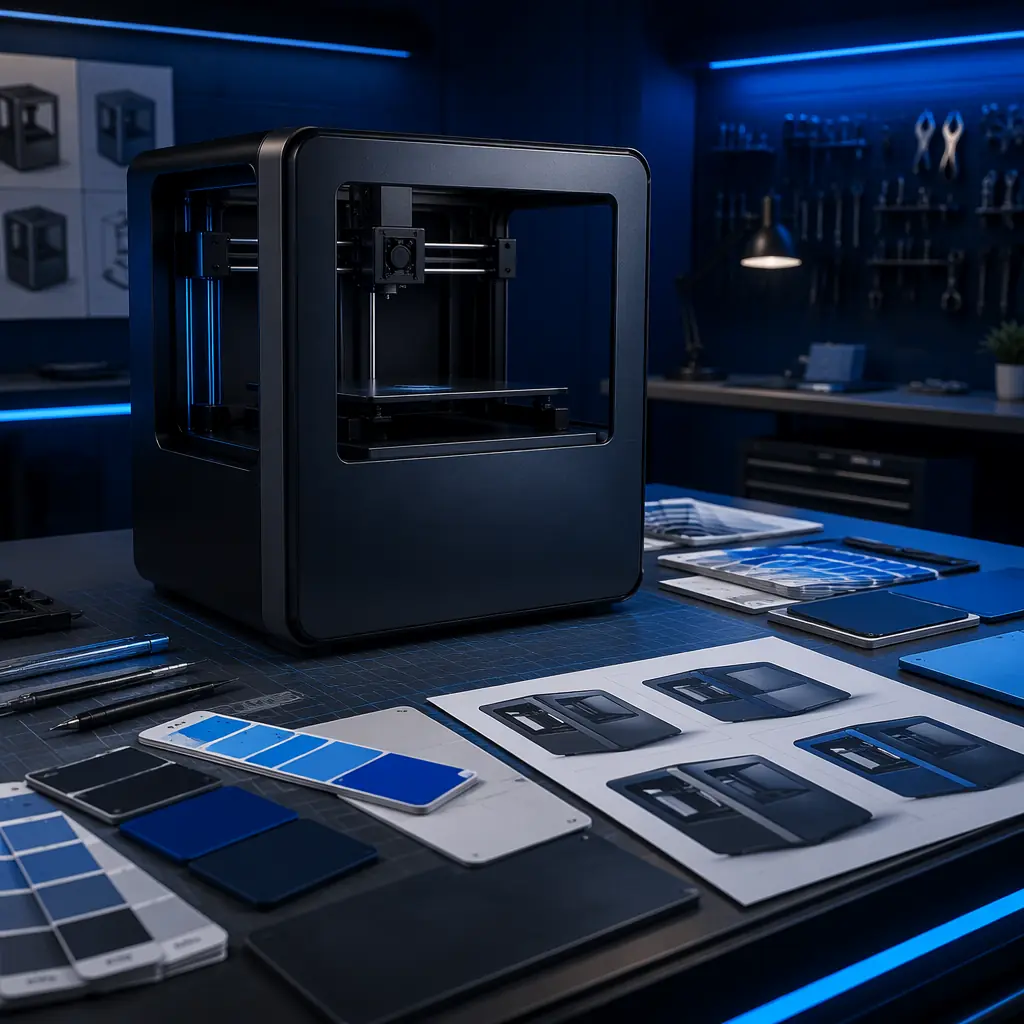
How to Build a Private-Label 3D Printer Brand, From OEM Sourcing to Market Launch
Complete guide to building your own 3D printer brand. Covers OEM supplier evaluation, product specification, certification (CE/FCC/RoHS), packaging design,.
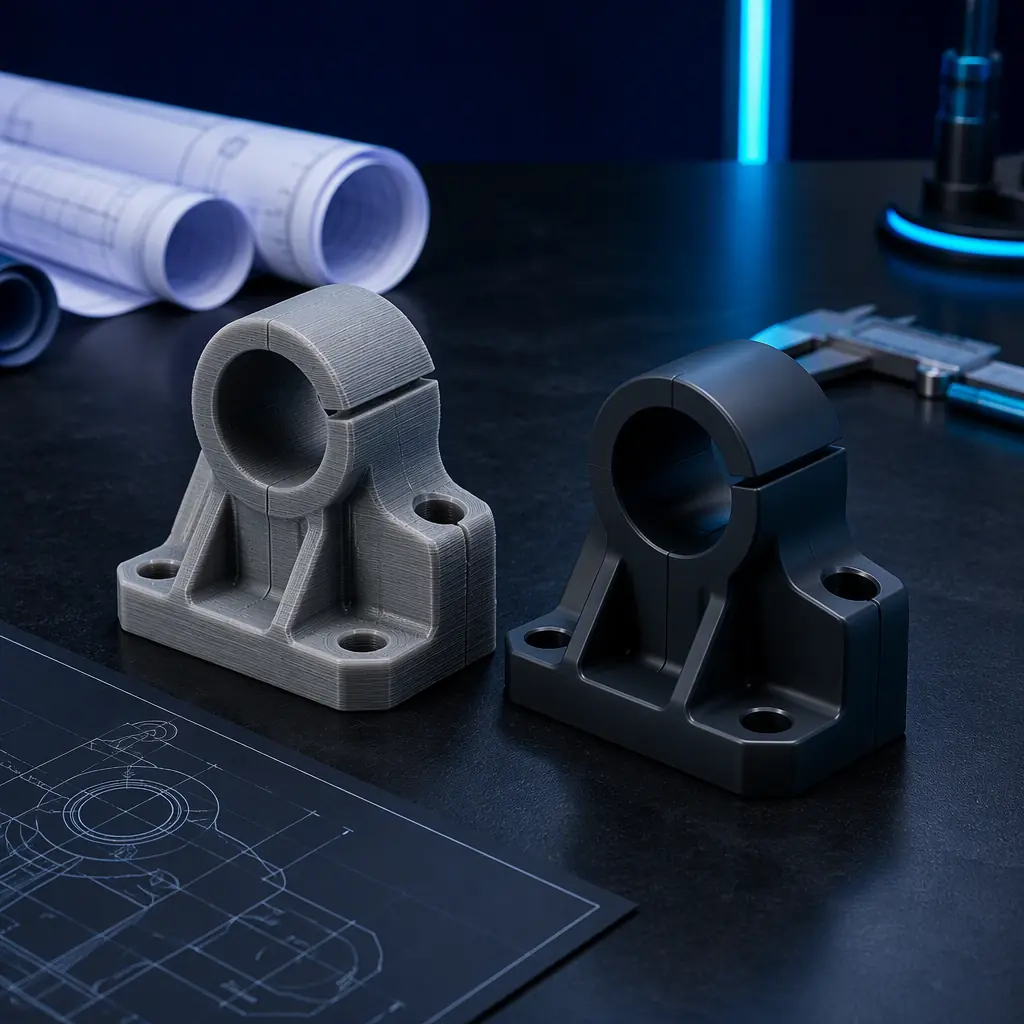
Prototype to Production With 3D Printing, The Scale-Up Checklist From One-Off to Repeatable Volume
The path from a working prototype to a repeatable production part is where most additive projects lose time and margin. This guide sets out the scale-up checklist: what must be frozen before volume be
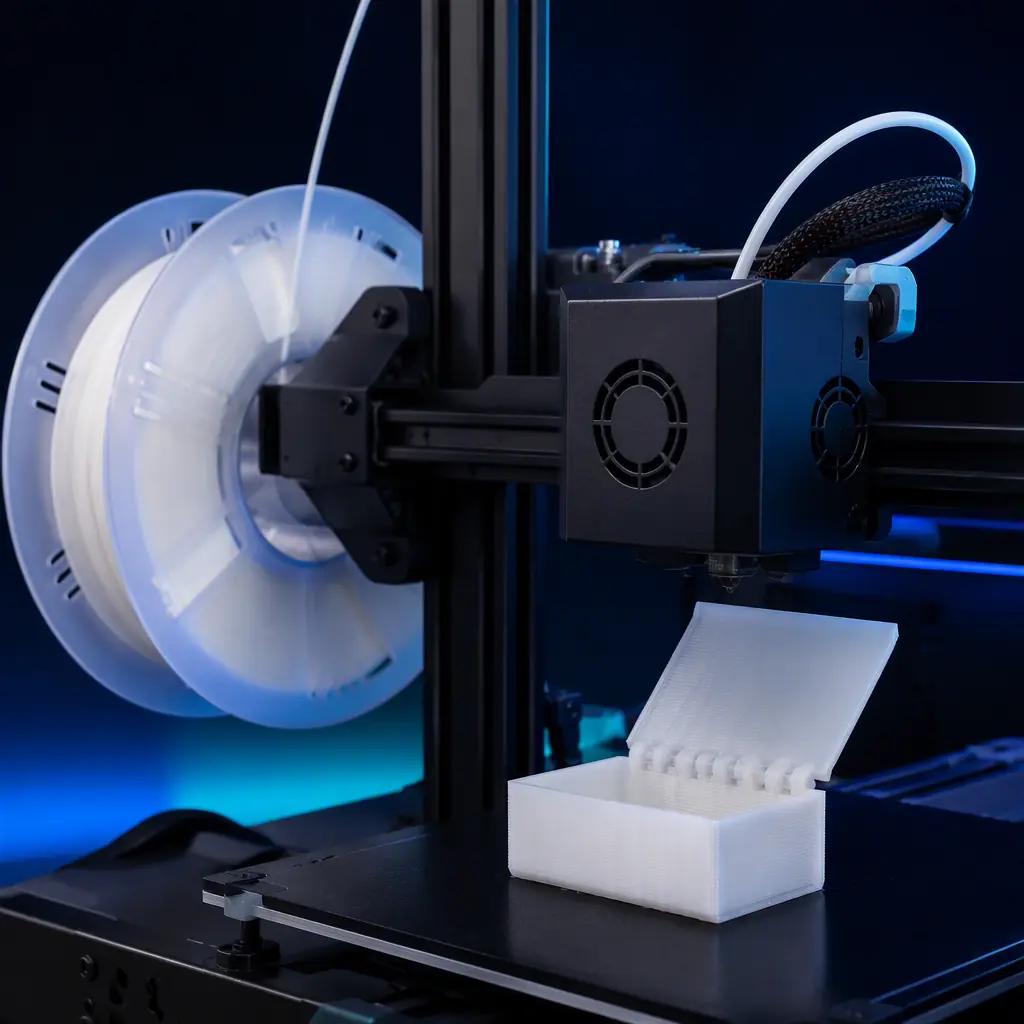
Polypropylene (PP) Filament: Chemical-Resistant Hinges and a 40% Margin
Polypropylene filament is the most underrated engineering material in desktop 3D printing: it survives a million flex cycles, resists acids and solvents,.
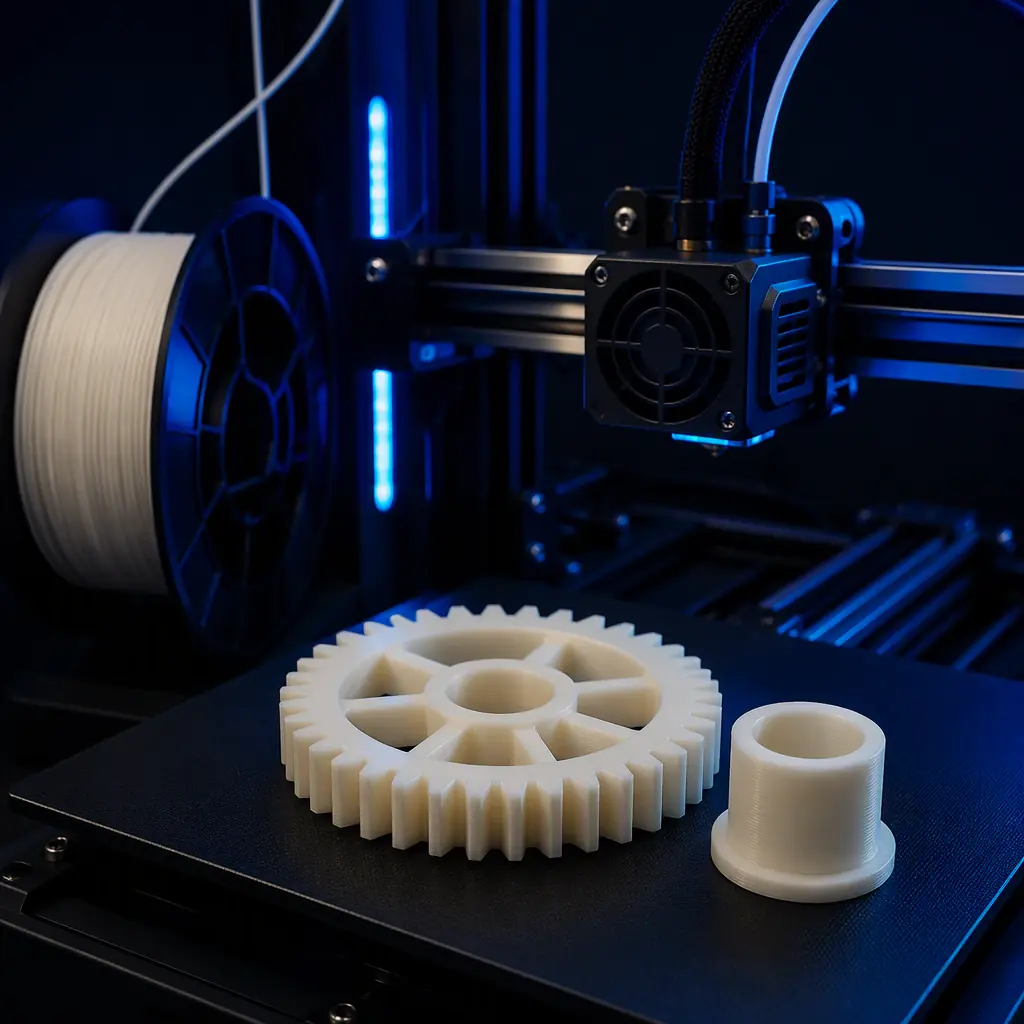
POM (Acetal/Delrin) Filament, The Low-Friction Engineering Material for 3D Printer Distributors
POM (polyoxymethylene, known as acetal or Delrin) is the go-to tribopolymer for gears, bushings and sliding parts. A distributor's guide to POM-H vs POM-C, the printing and ventilation demands, and wh
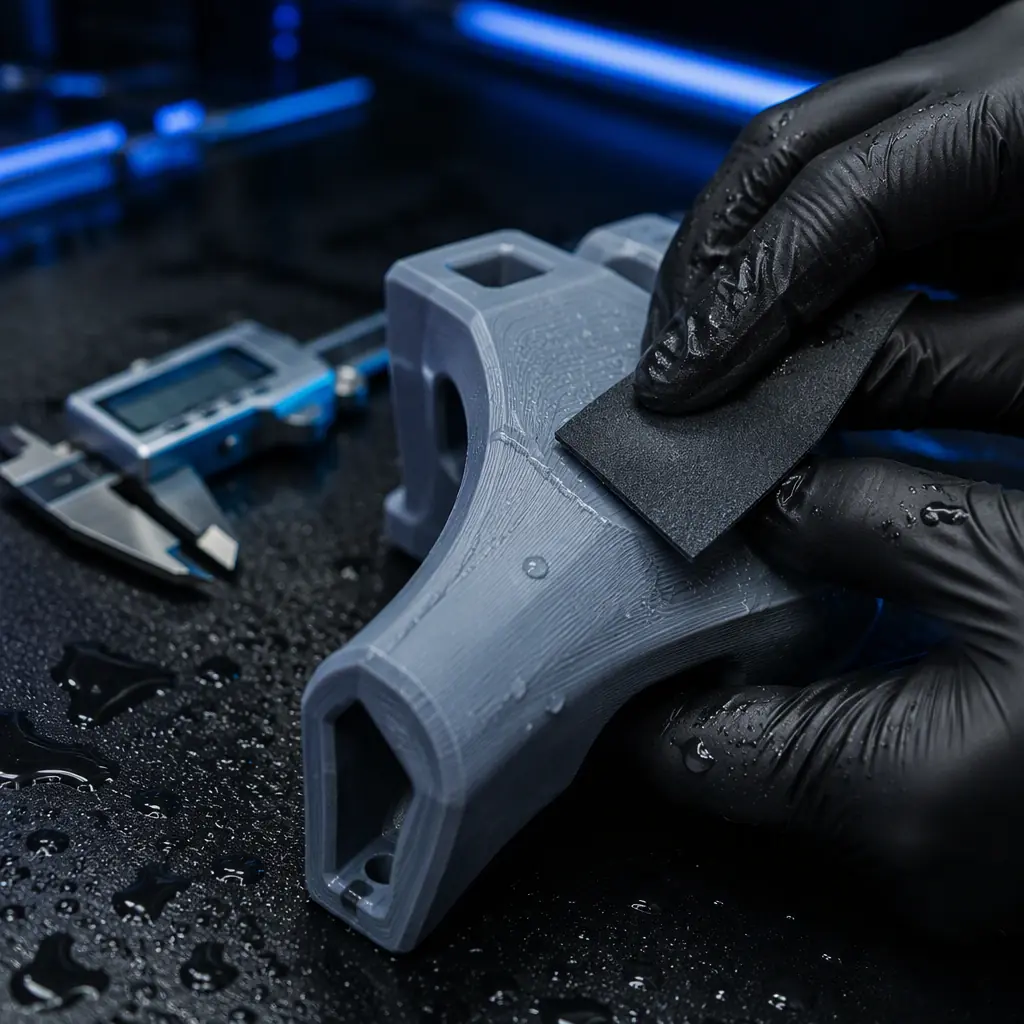
Post-Processing Dimensional Accuracy, How Finishing Moves Printed Part Tolerances and How to Compensate
Sanding, vapour smoothing, tumbling and annealing all move printed part dimensions. Map the expected shift per finishing route, write a build allowance, and inspect after finishing rather than at the
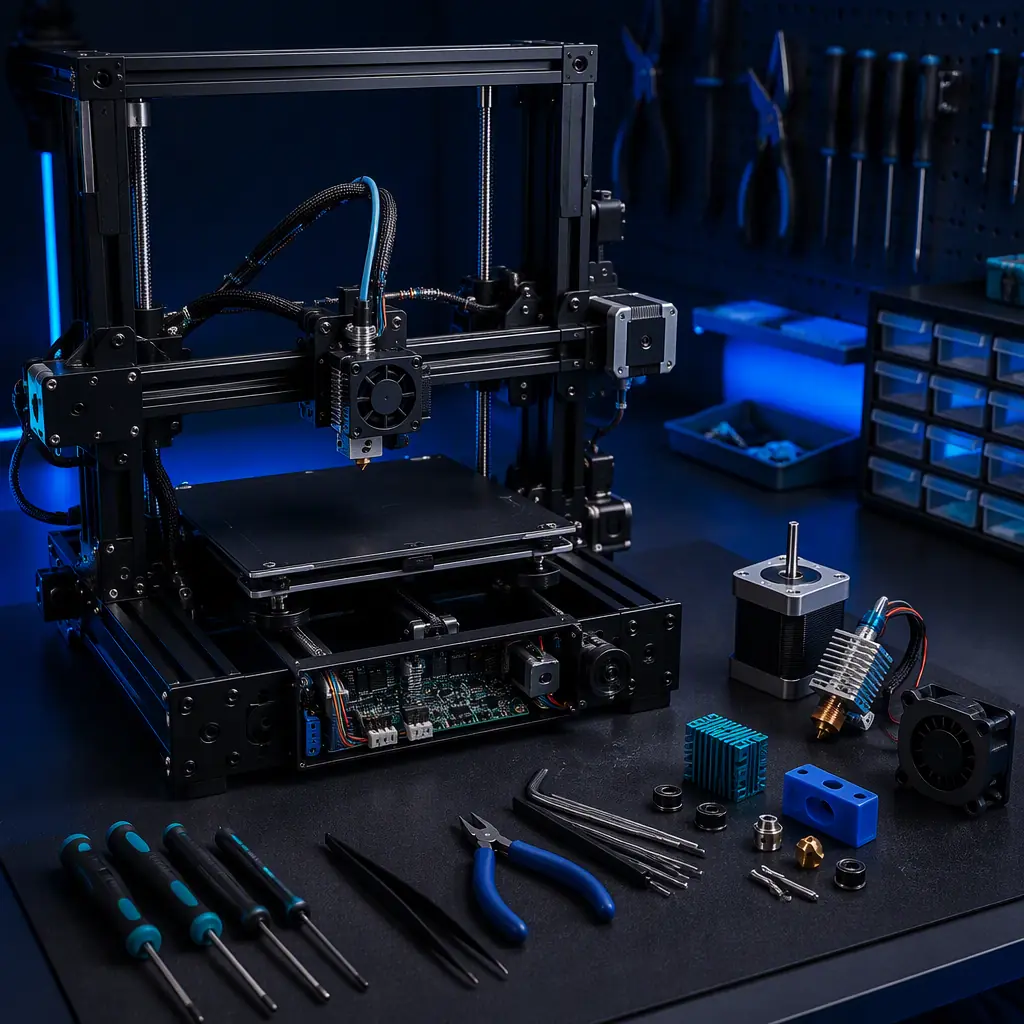
Parts Obsolescence & EOL Management, Keeping 3D Printer Fleets Serviceable
A 3D printer sold today is expected to keep printing for years, but the components inside it go obsolete on a much faster clock. When a supplier discontinues a motherboard, a hotend or a stepper motor