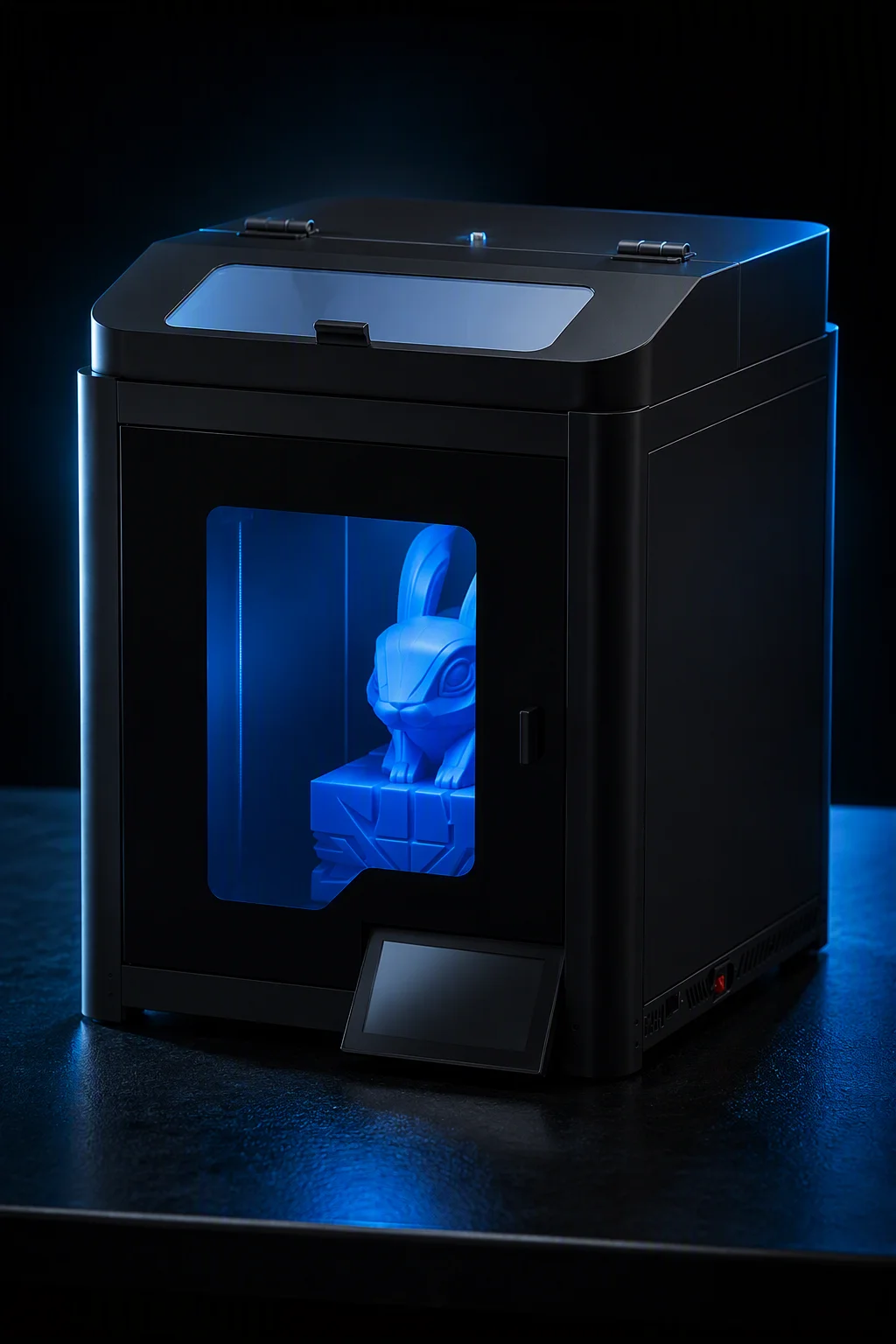
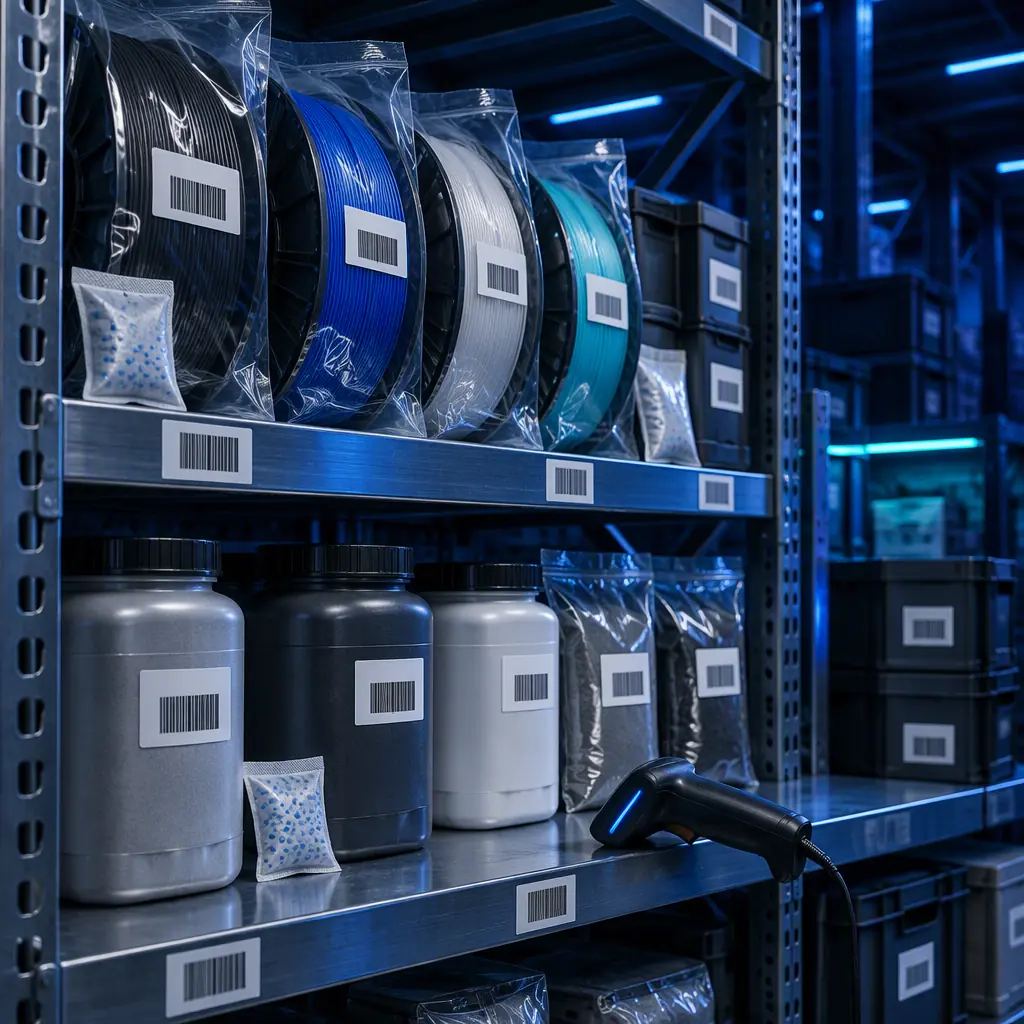
Filament Lot Traceability, Incoming Material Verification for 3D Printing
Why printed parts need a linked traceability chain: incoming records, spool identifiers, certificates of analysis, moisture control and build logs that answer a failure investigation in minutes.
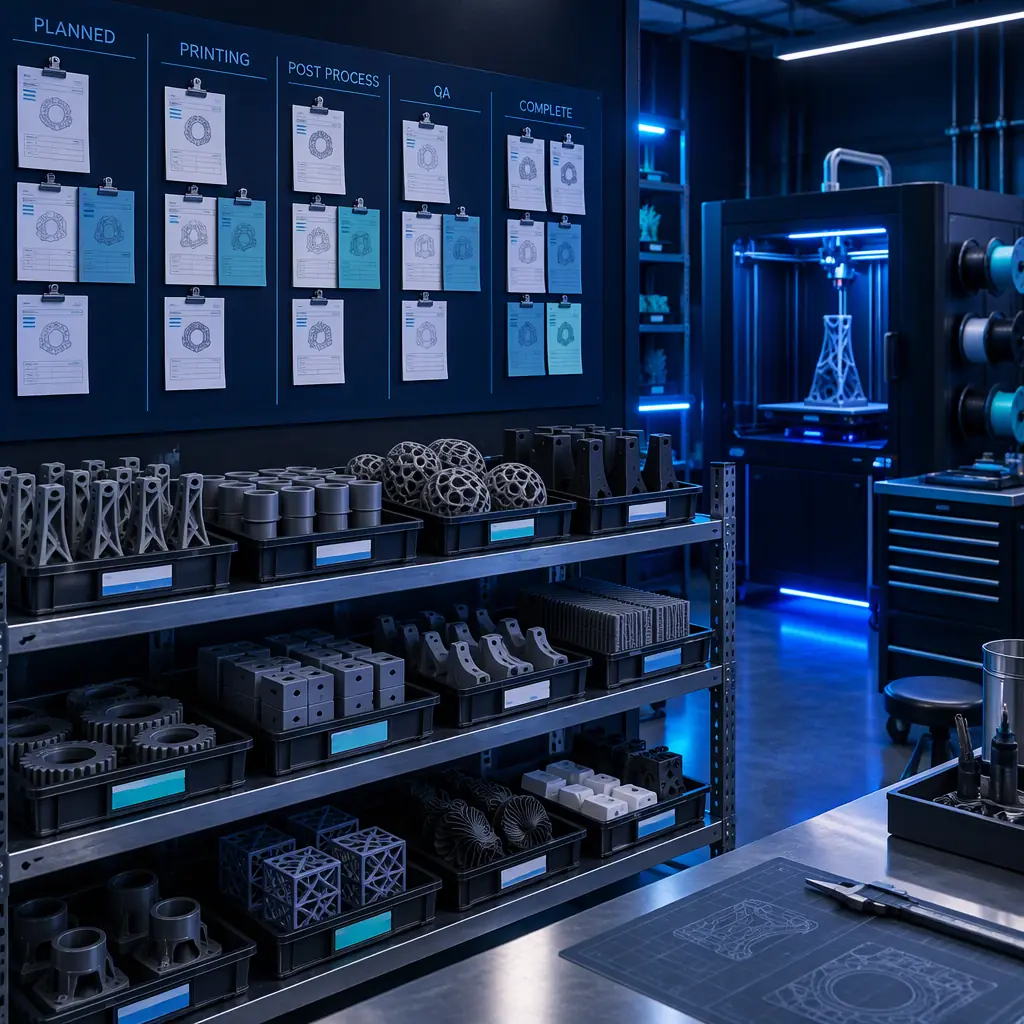
Work Orders and Job Travelers for 3D Printing, Production Control Without Software
How a work order and job traveler turn a print shop into a production floor: the four mandatory fields, routing discipline, status lookup and a paper implementation that works in a week.
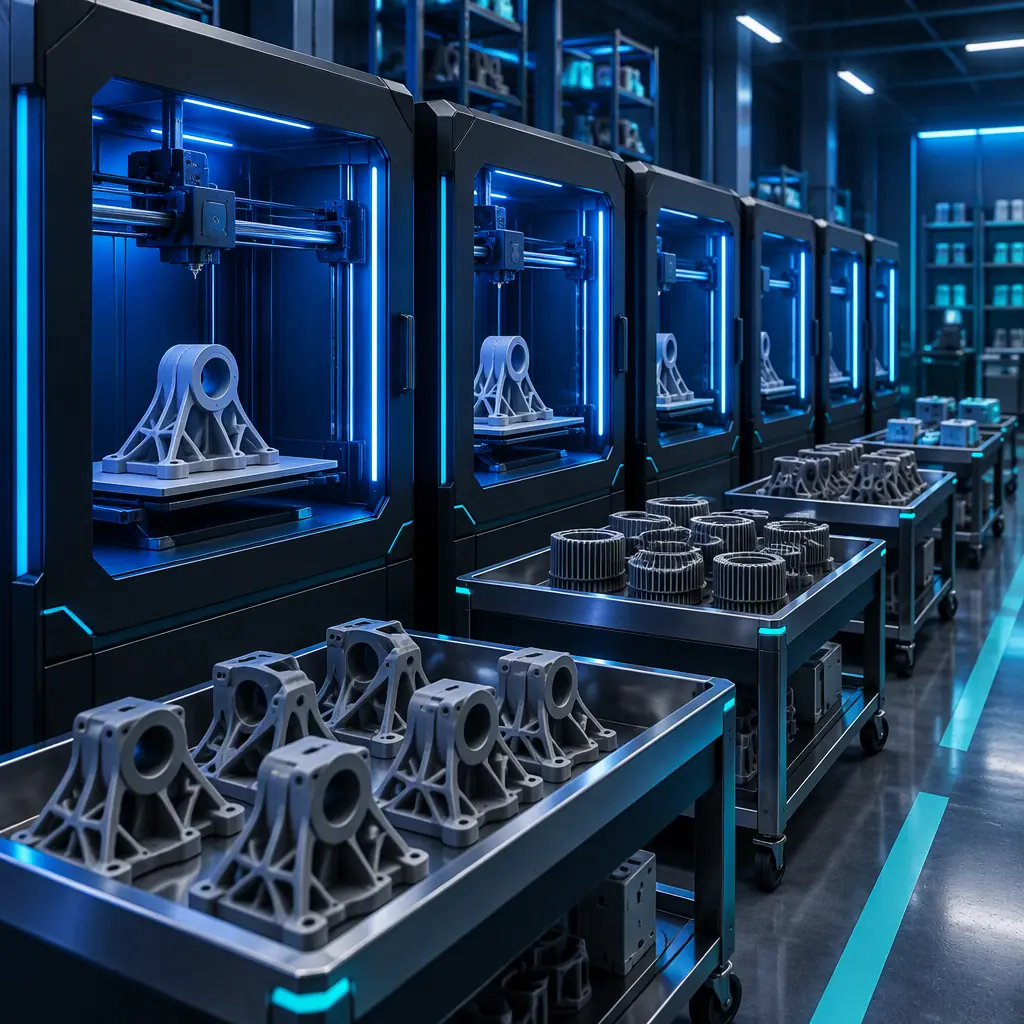
Medium-to-Large Volume 3D Printing, Crossing the Prototype-to-Production Line
Where 3D printing stops being prototyping and becomes production: quantity bands, the crossover against injection moulding, cross-plate repeatability, cost per part, and how to size a bridge.

3D Printed Cosmetic Tube Prototyping, From Sample Geometry to Decoration and Production Hand-Off
How cosmetics brands use 3D printing for tube prototyping and change parts: prototype tube geometry, decoration trials, tooling and change-part economics, and the hand-off from sample to mass producti
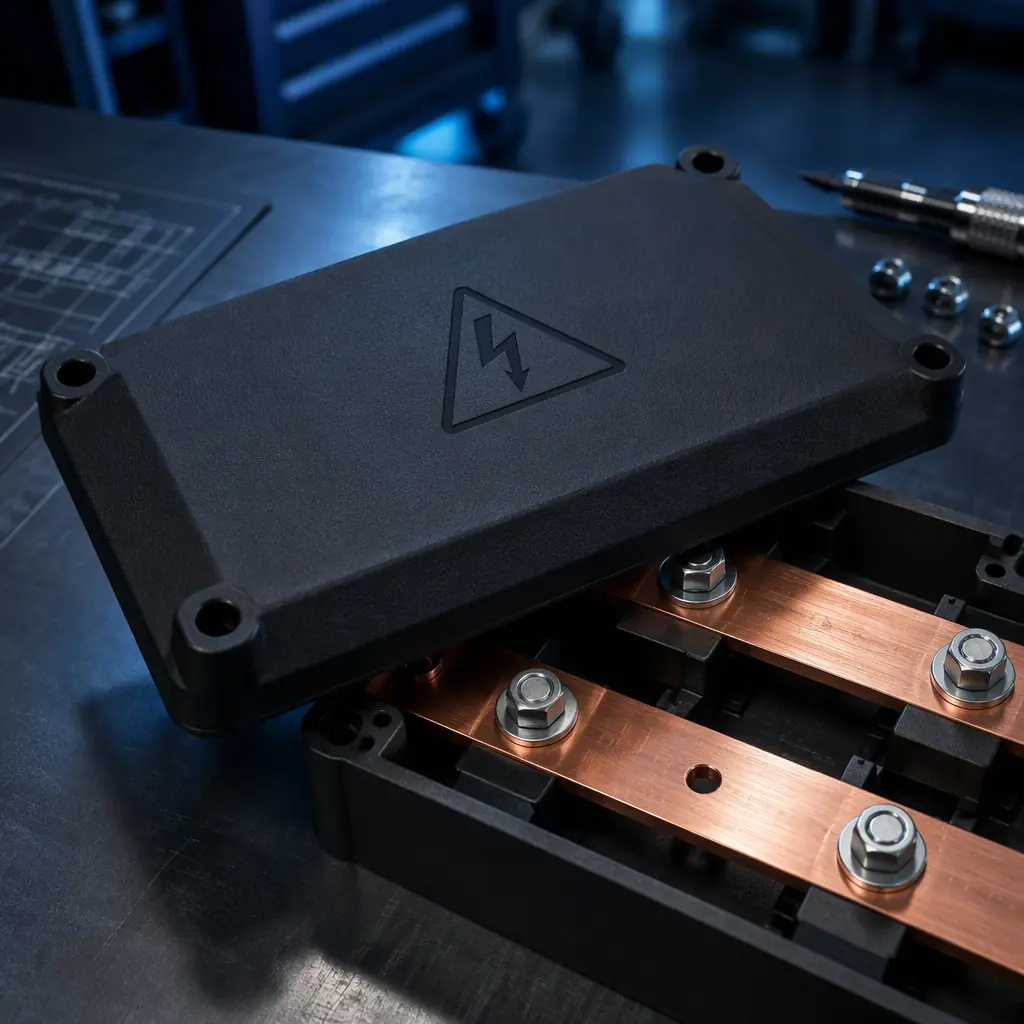
Dielectric Strength in 3D Printed Parts, Proving Electrical Safety in a Printed Insulator
How to qualify 3D printed parts for electrical insulation: dielectric strength testing, hipot procedure, creepage and clearance, material selection, and the documentation a safety assessment needs.
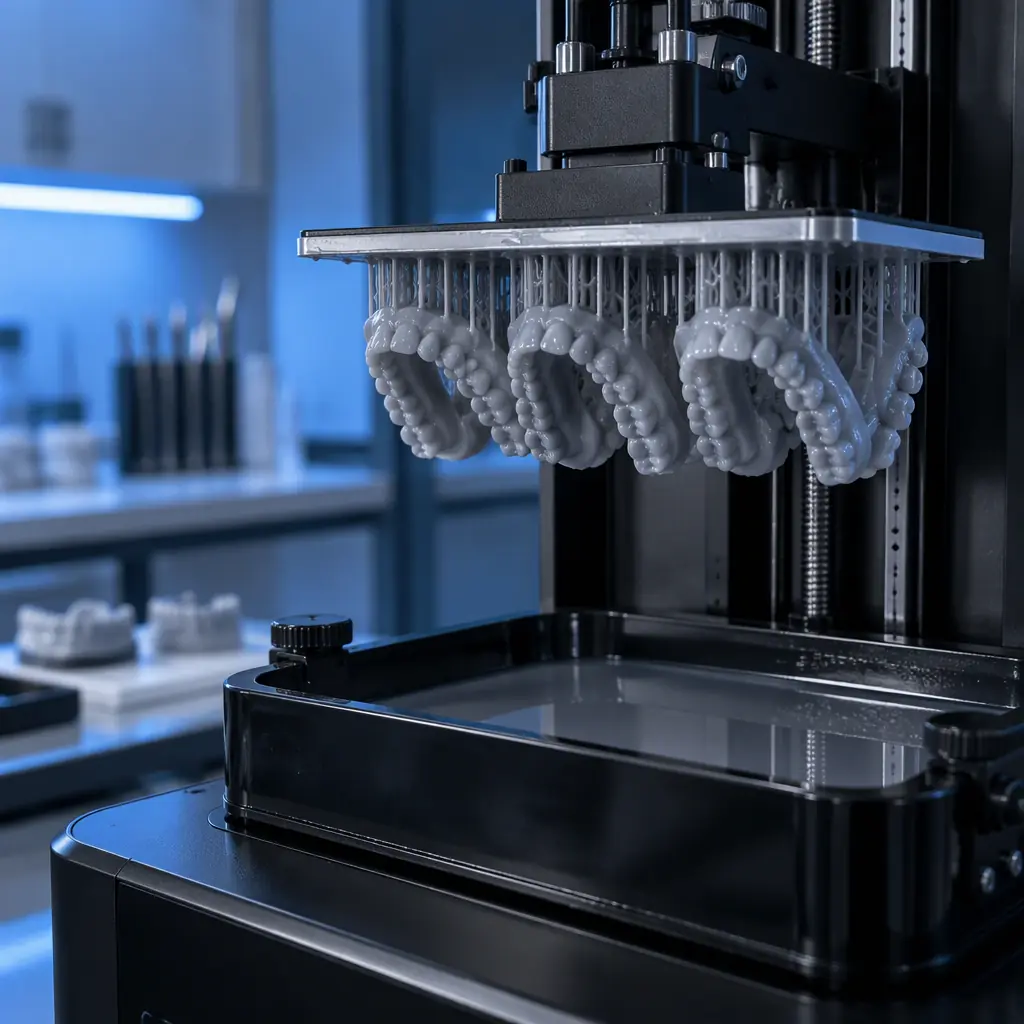
A 3D Printer for Aligner Models, The Model Tolerances and Thermoforming Cycle That Decide Patient Fit
How orthodontic labs run clear aligner production: dental model printing tolerances, thermoforming cycle parameters, trim-and-polish workflow, and the per-case economics that decide printer capacity.
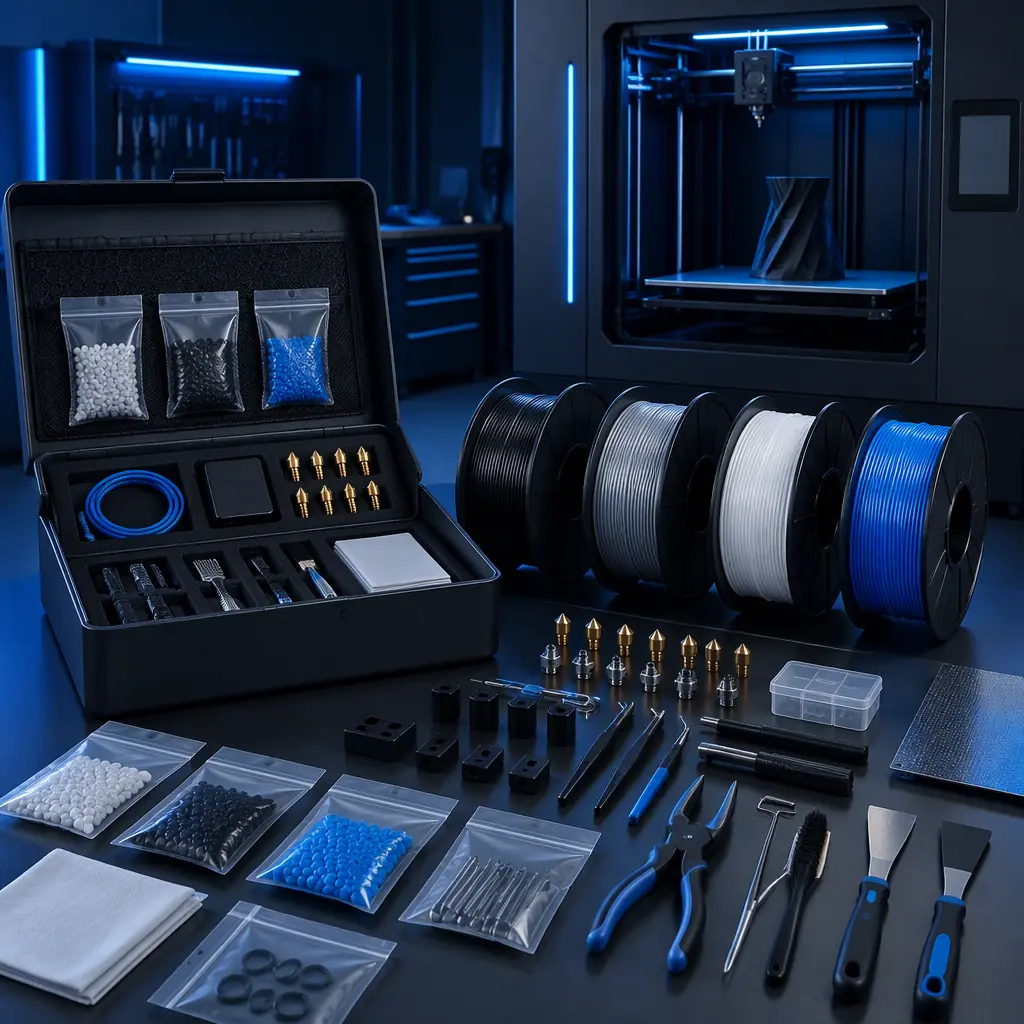
Consumable & Startup Kit Design for 3D Printer Distributors
How to design starter, consumable and spares kits that reduce support calls: kit tiers by customer, contents rules, kitting cost arithmetic, and the labels that stop a wrong-part call.
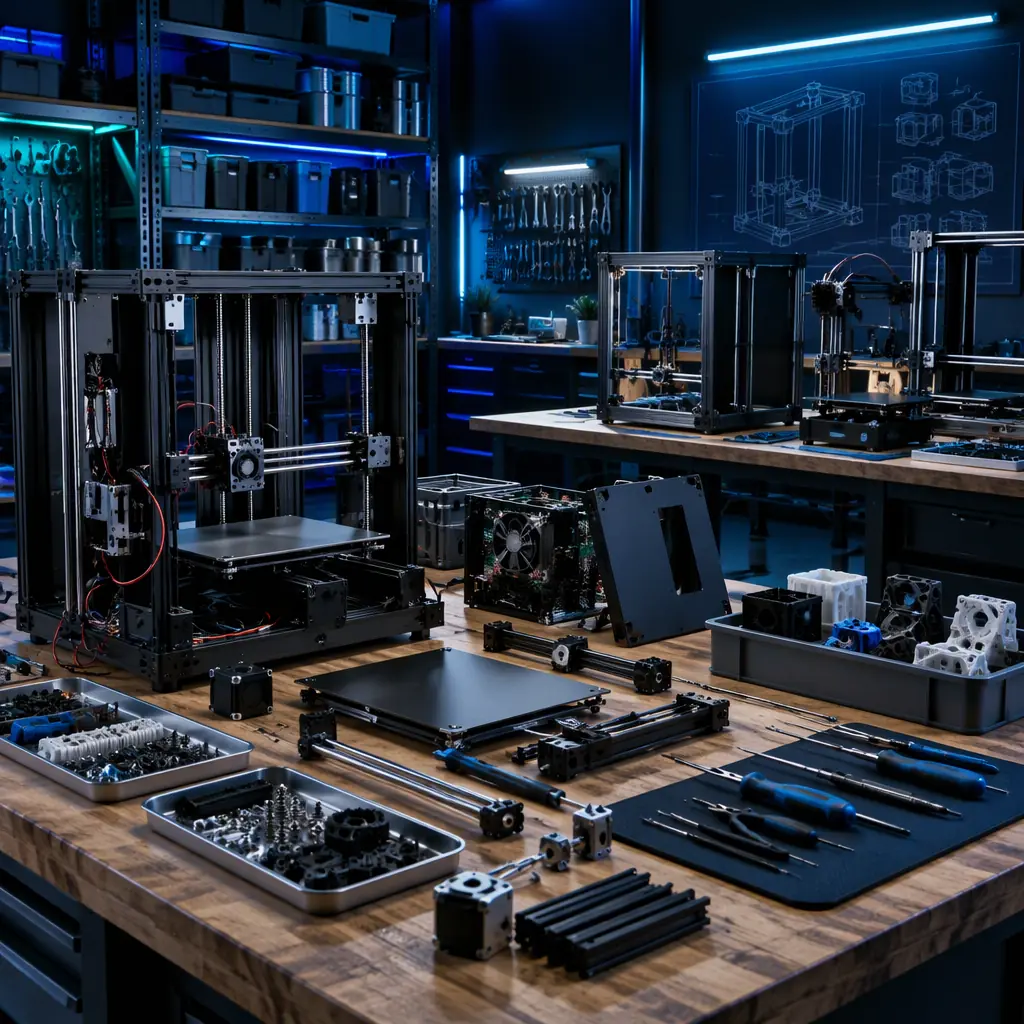
Depot Repair & Swap Pool Design for 3D Printer Fleets
How to design a depot repair and swap pool network: turnaround arithmetic, the swap-vs-repair decision, depot siting, and the failure data a programme must return.

Calibration Interval & Metrology Program for 3D Printing
How to set calibration intervals by evidence rather than habit, build a fleet metrology register, and decide when a machine leaves service for requalification.
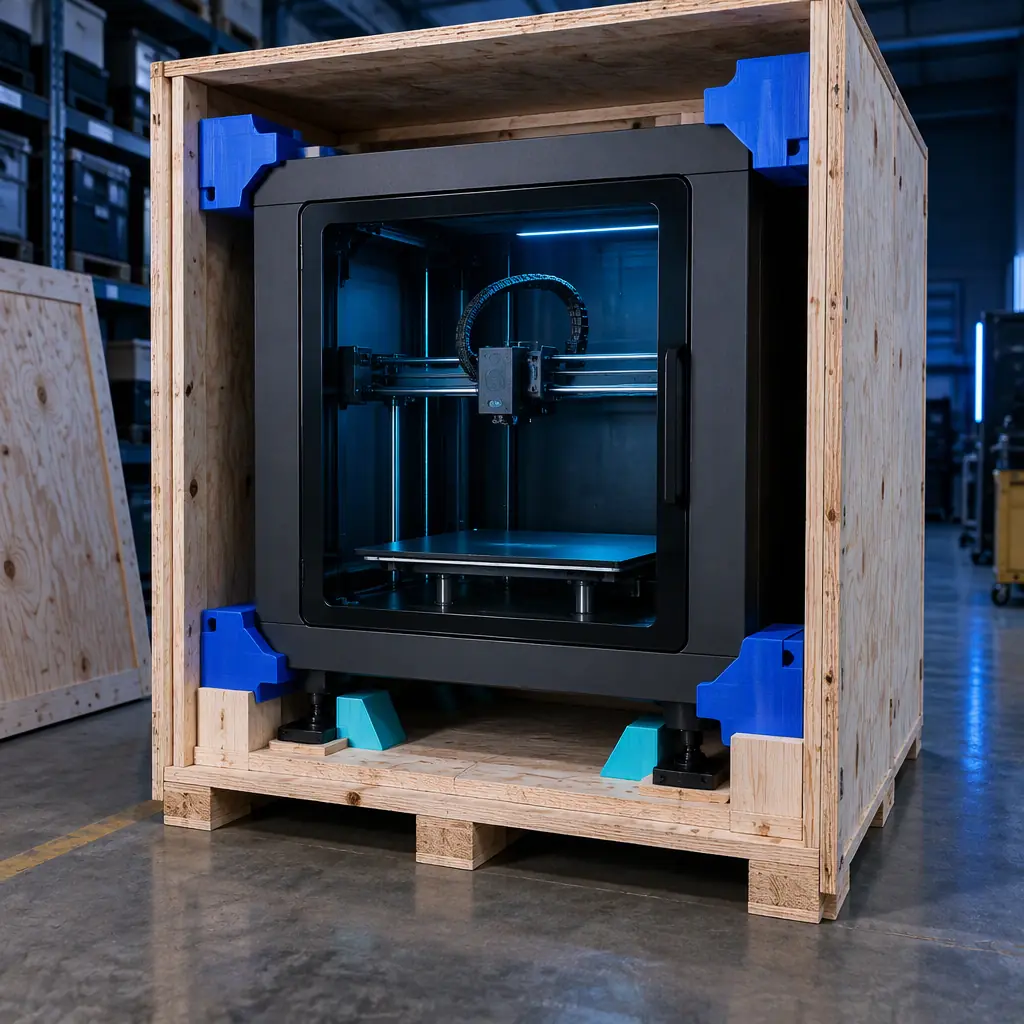
Returnable Dunnage and 3D Printed Packaging Inserts for Printer Logistics
The loop break-even for printed dunnage vs foam, insert rules for a 50 kg printer, ESD-safe cradles, and the abuse test before you trust one.