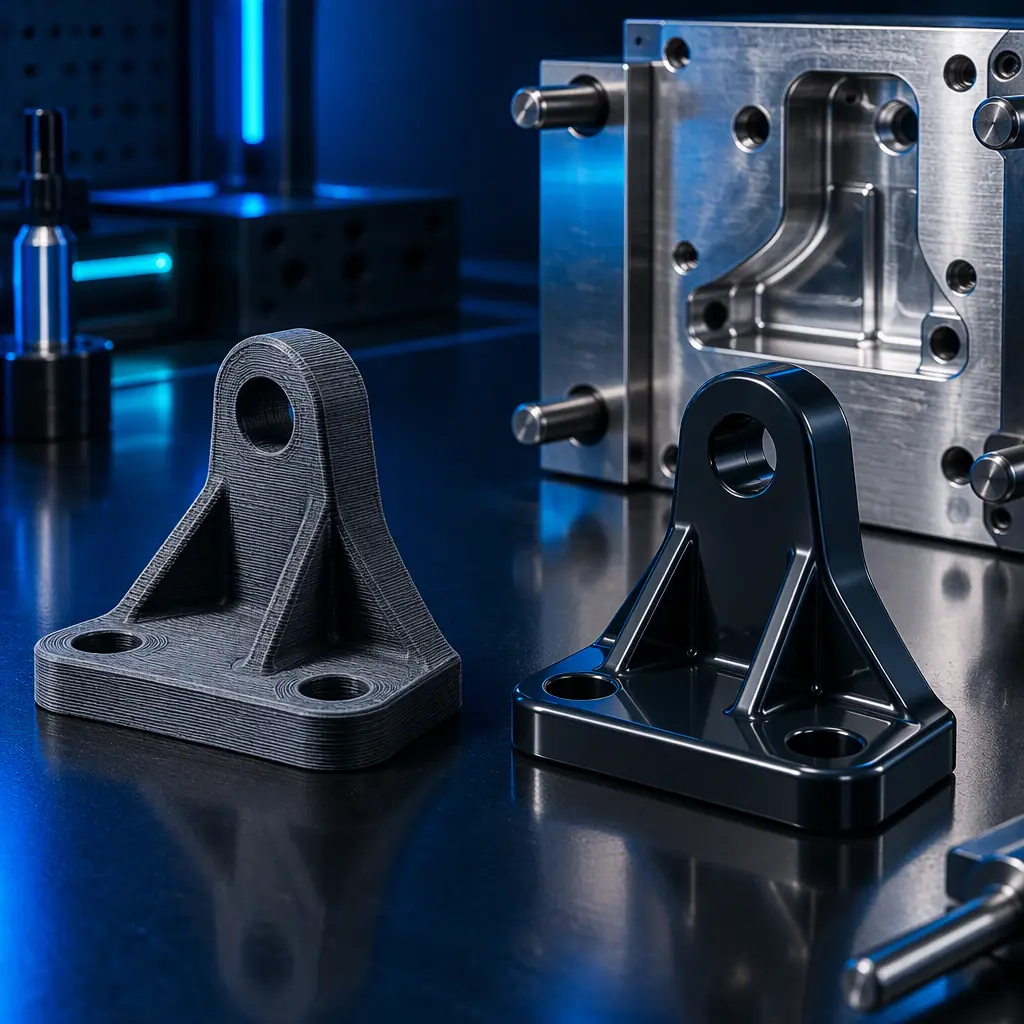
3D Printing vs Injection Molding — The Tooling Breakeven Moves by Part Family
One breakeven volume for additive versus tooling is wrong. Tooling cost scales with faces, side actions and polish, so the breakeven moves from 11 parts to 2,000 across five part families. Worked cost
OEE for 3D Printing Cells — Availability, Performance and Quality, Defined Properly
Machine uptime is not OEE. A printing cell measured at 94% uptime can run at 41% OEE once partial builds, plate changes and reprints are counted. How to define the three factors for additive, with six
PFAS in 3D Printing — Building a Material Declaration That Survives an Audit
Fluoropolymers appear in filaments, release agents and post-processing consumables, and a supplier cannot answer a PFAS questionnaire from memory. How to build a declaration that survives an audit, wi
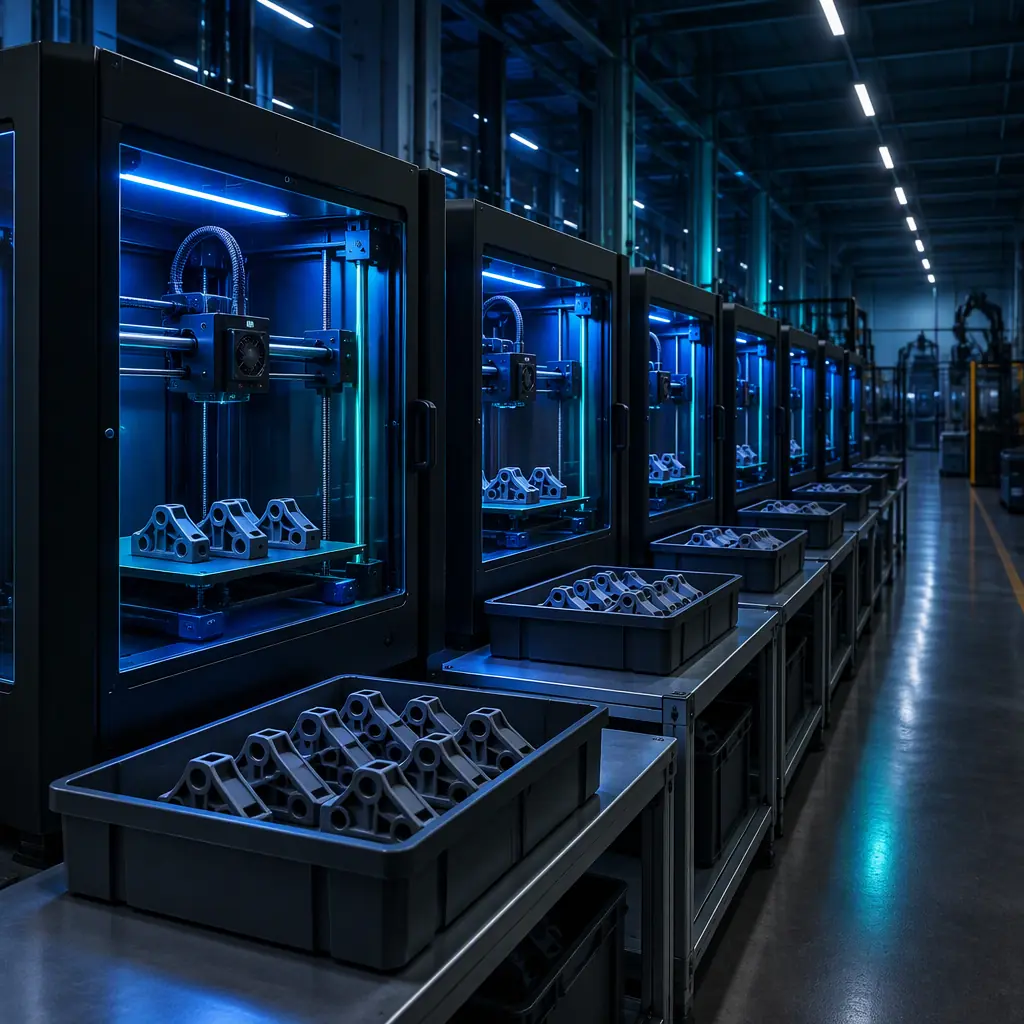
Additive Manufacturing Readiness Level — A 7-Gate Scale Buyers Can Actually Verify
A printer rated for continuous operation can still be fed by an operation with no shift pattern and no queue discipline. This guide sets out a seven-gate additive manufacturing readiness scale, the re
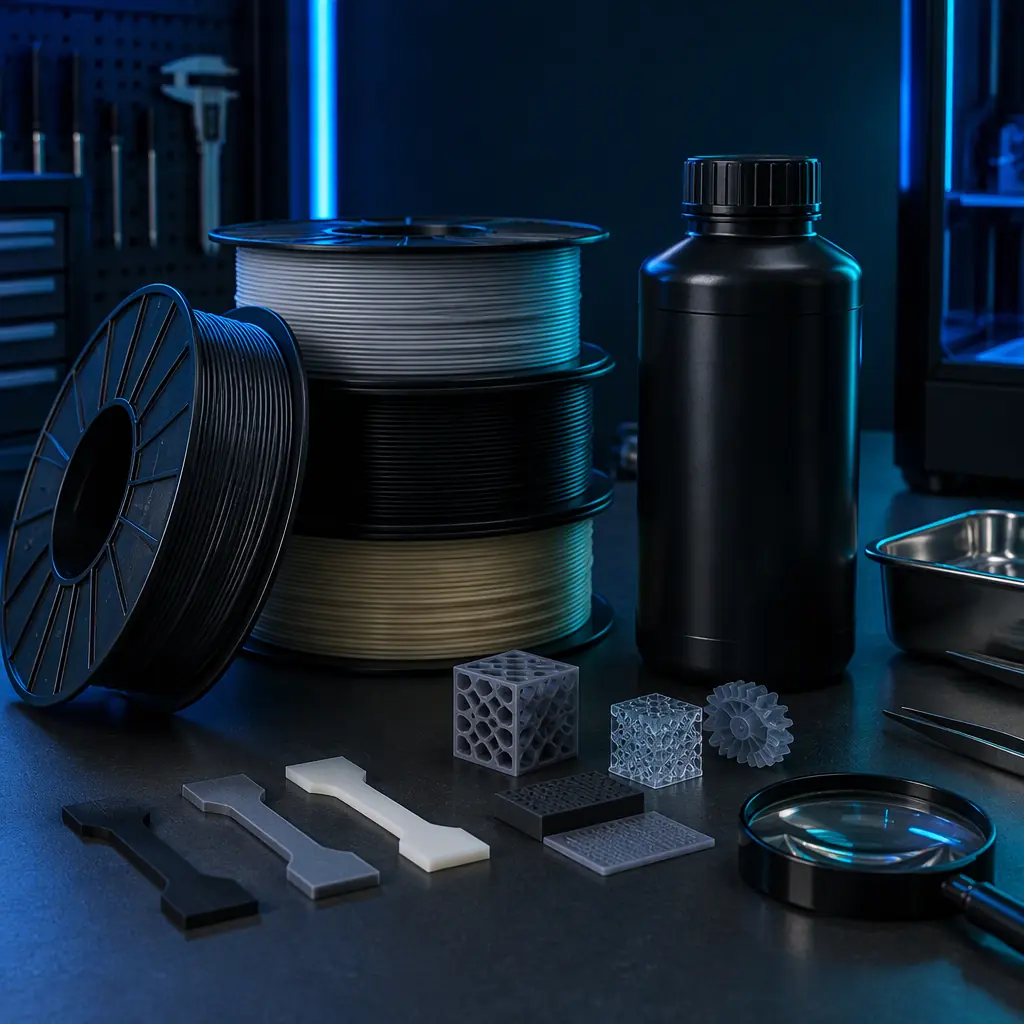
REACH SVHC & Prop 65 for 3D Printed Parts — Building a Declaration Buyers Accept
An EU buyer asking for a REACH SVHC declaration on a printed part is asking for arithmetic, not a signature. This guide covers the three regimes that drive the request, the 0.1% by weight calculation
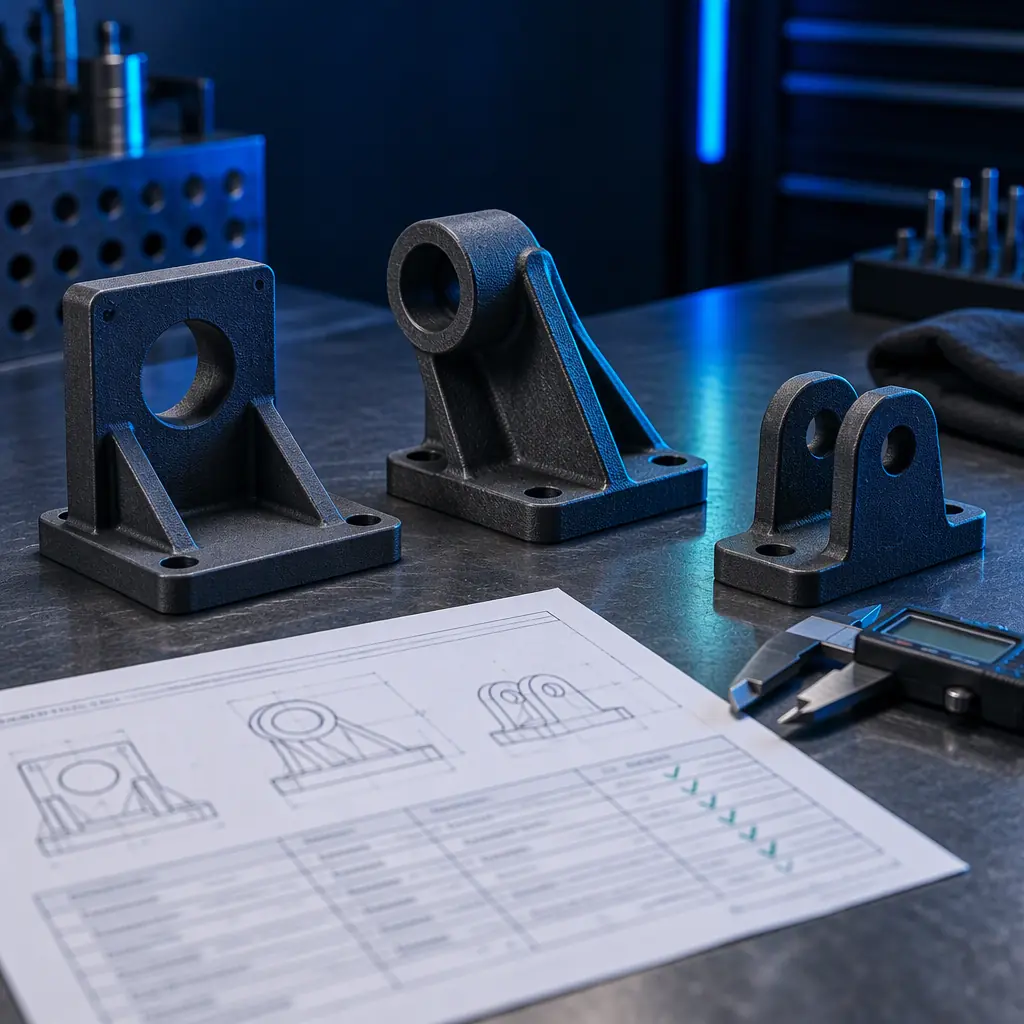
Additive Supplier Quality Agreement — The 12 Clauses That Decide Who Pays When a Part Fails
A supplier quality agreement for 3D printed parts decides who pays when a lot fails, long before the lot is printed. This guide sets out the twelve clauses that matter, the acceptance sampling structu
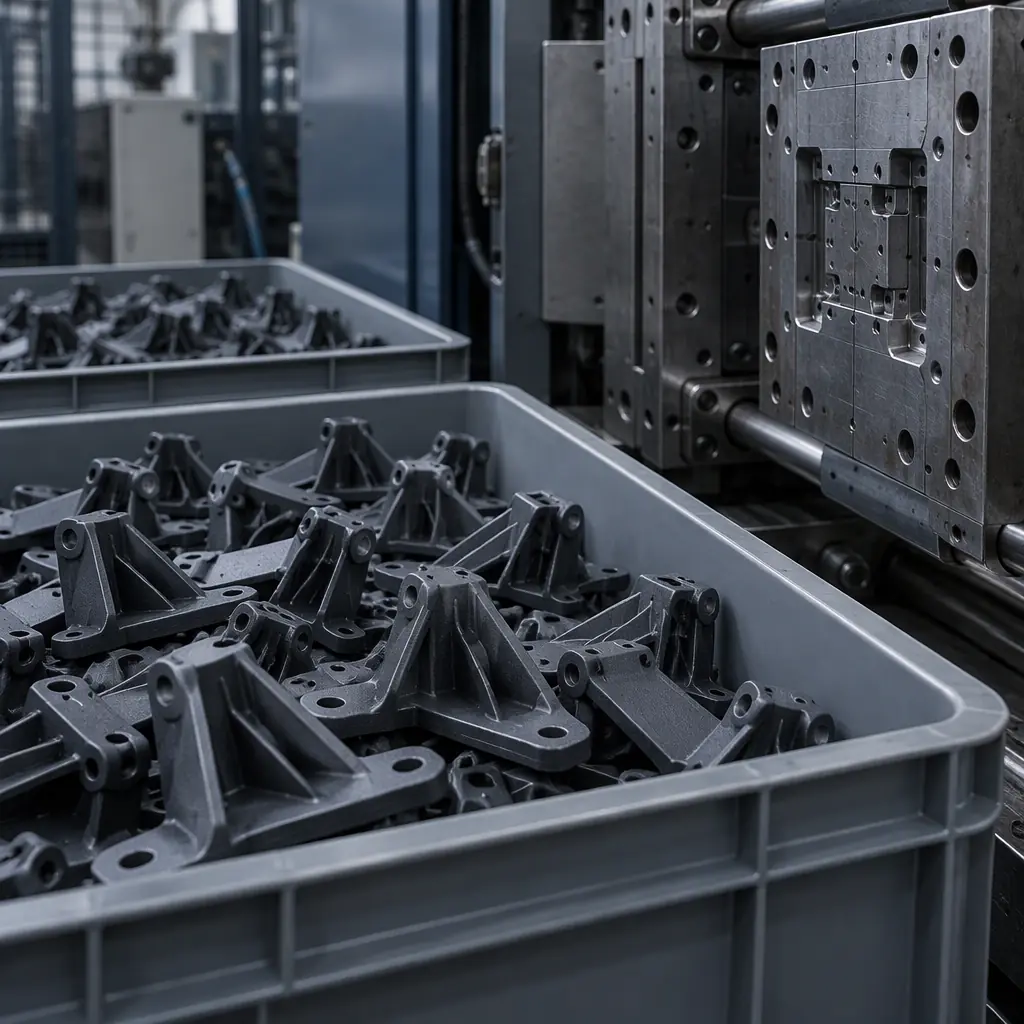
Additive Bridge Production Ramping Without Stranded Tooling
Three cost curves decide when printed parts hand over to moulding. A three-gate tooling schedule with break-even at 5k, 20k and 50k units.
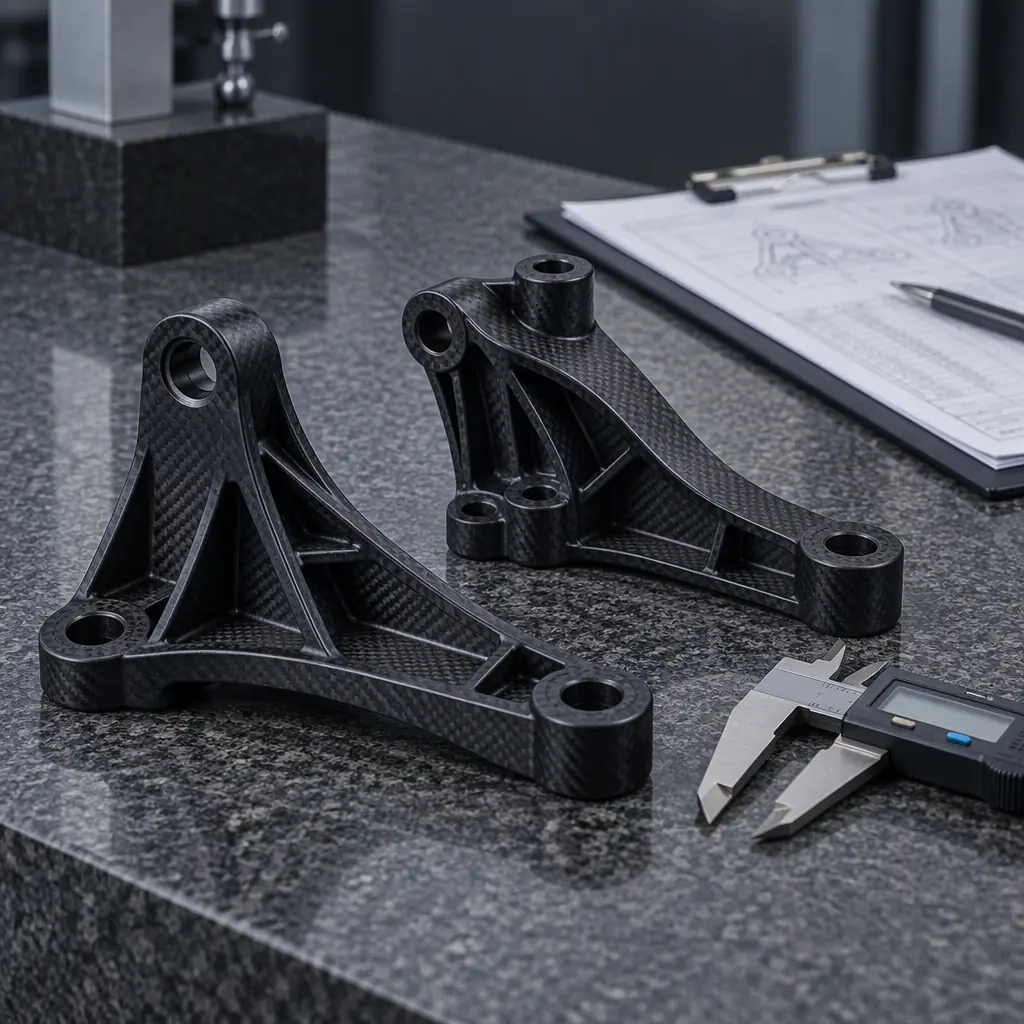
IATF 16949 vs ISO 9001 What Actually Bites on Printed Parts
What IATF 16949 adds over ISO 9001, which clauses actually bite on an additive process, and ten questions to ask before you approve a printed part.
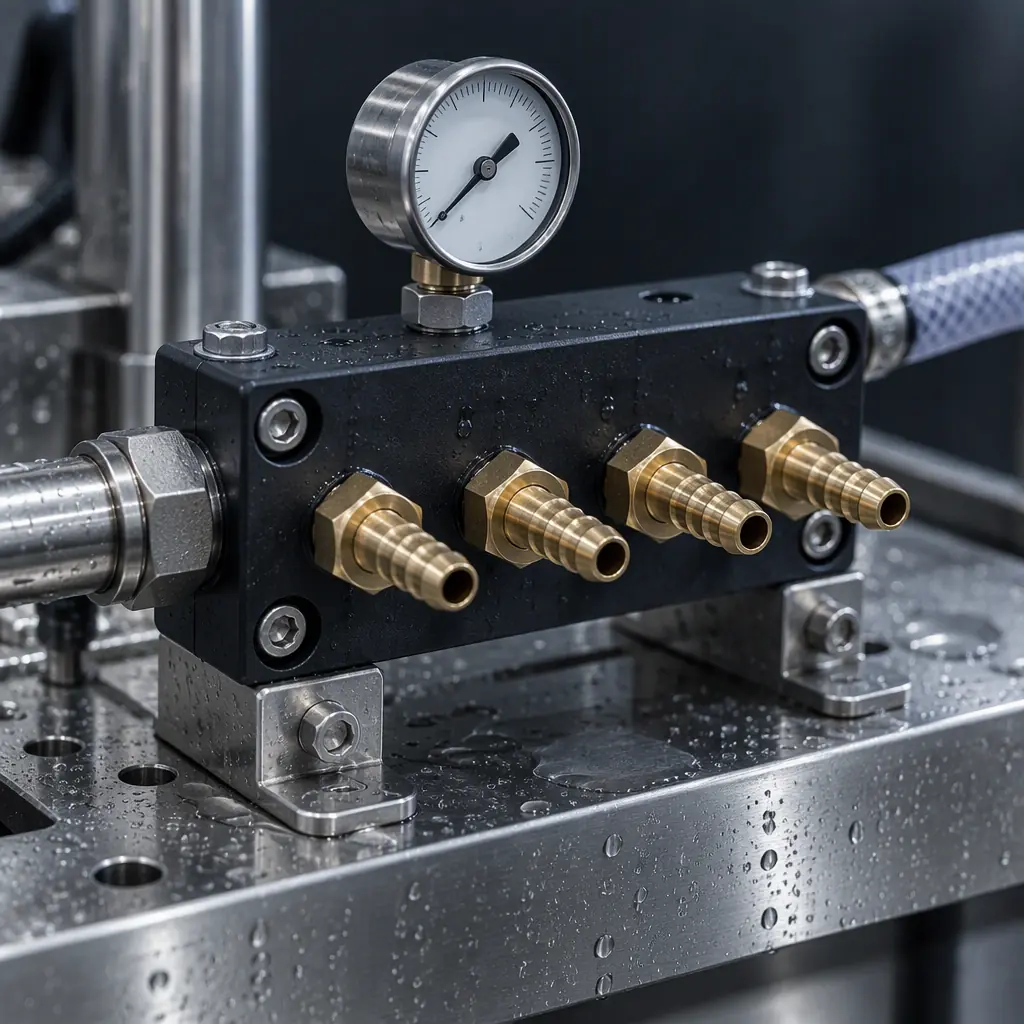
Printed Fluid Manifolds Pressure, Channels and Leak Testing
A printed manifold holds pressure only if the layer plane sits off the stress path. Channel roughness, orientation and three leak-test methods.
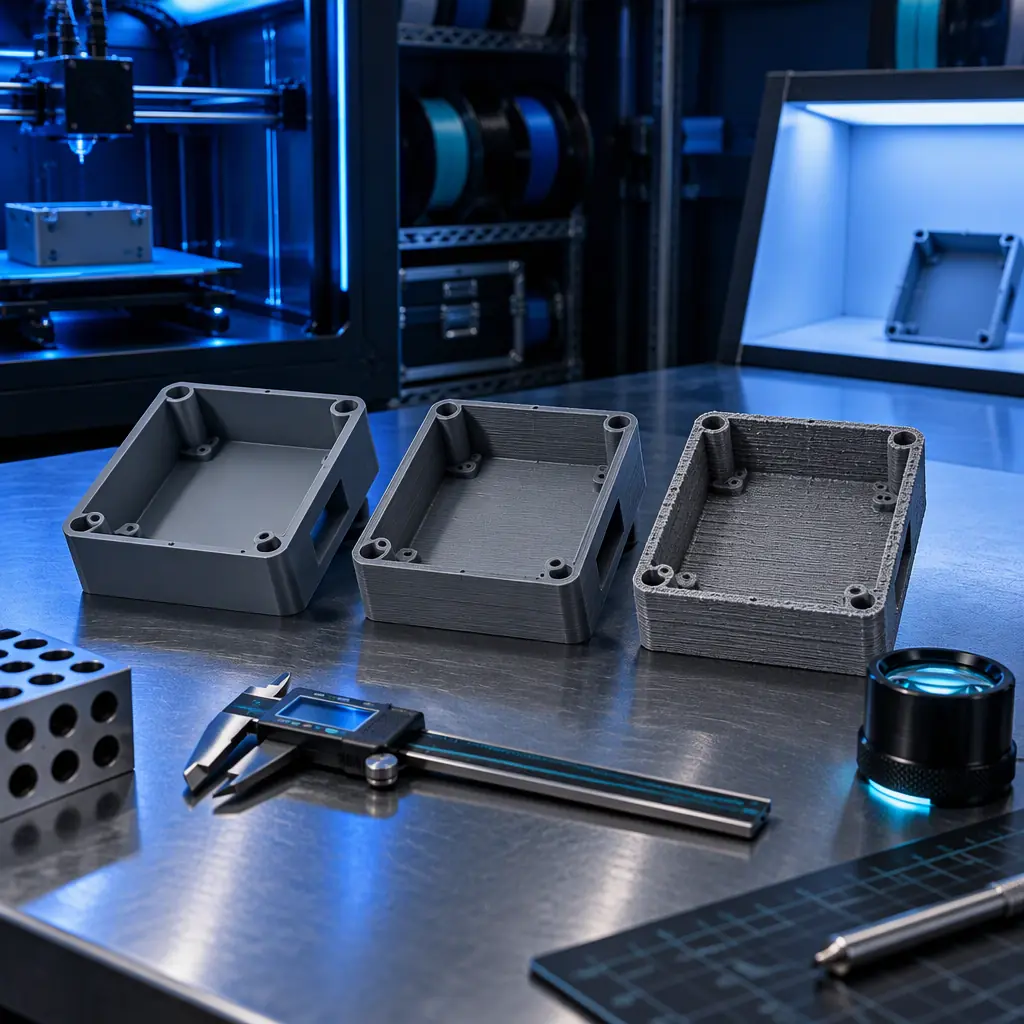
Limit Samples Defining Good Before the Dispute
Layer lines, stringing and elephant foot need named acceptance levels, not adjectives. How to build limit samples, set severity and apply AQL sampling.