3D Printing Tolerances
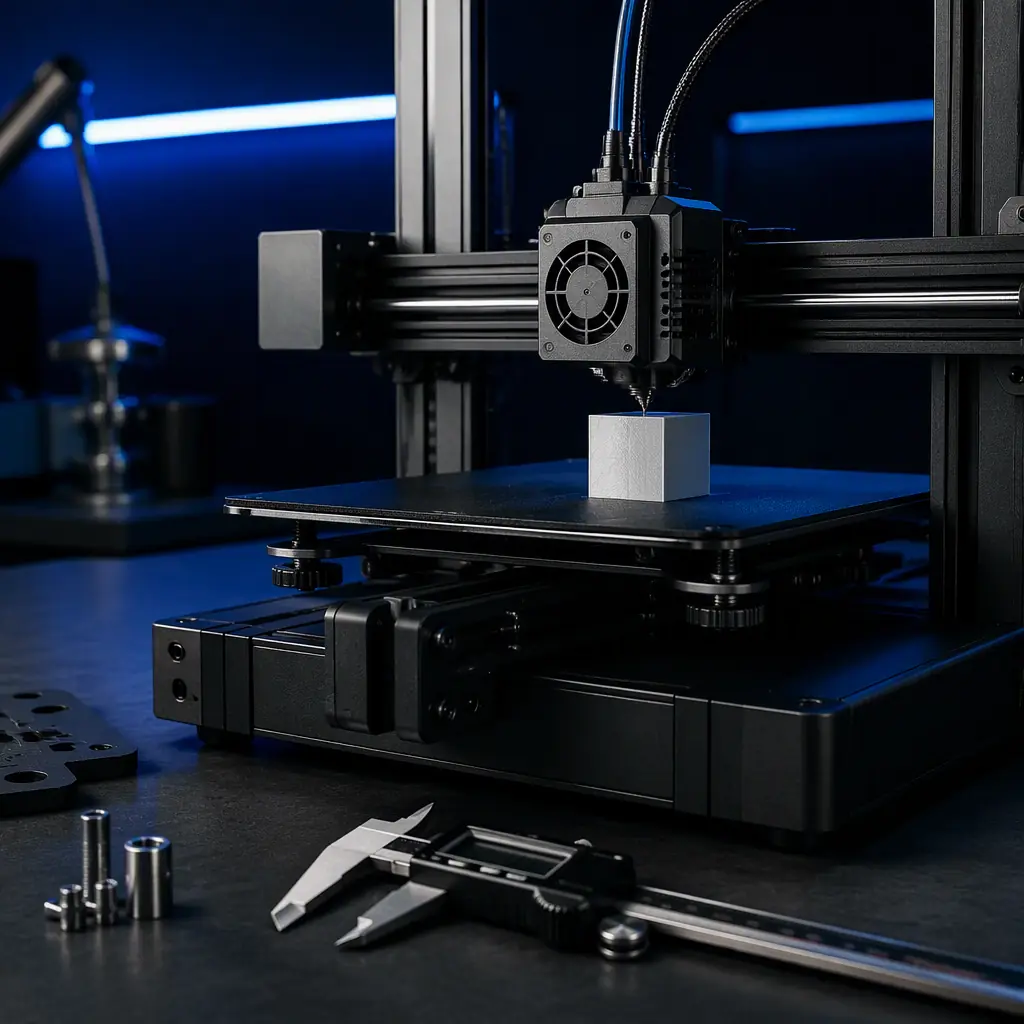
Real 3D printing tolerance data: FDM ±0.5%, resin ±0.1–0.2 mm, SLS ±0.3%. Material shrinkage rates, calibration effects, and how distributors turn accuracy.
3D Printing for Tire Manufacturing
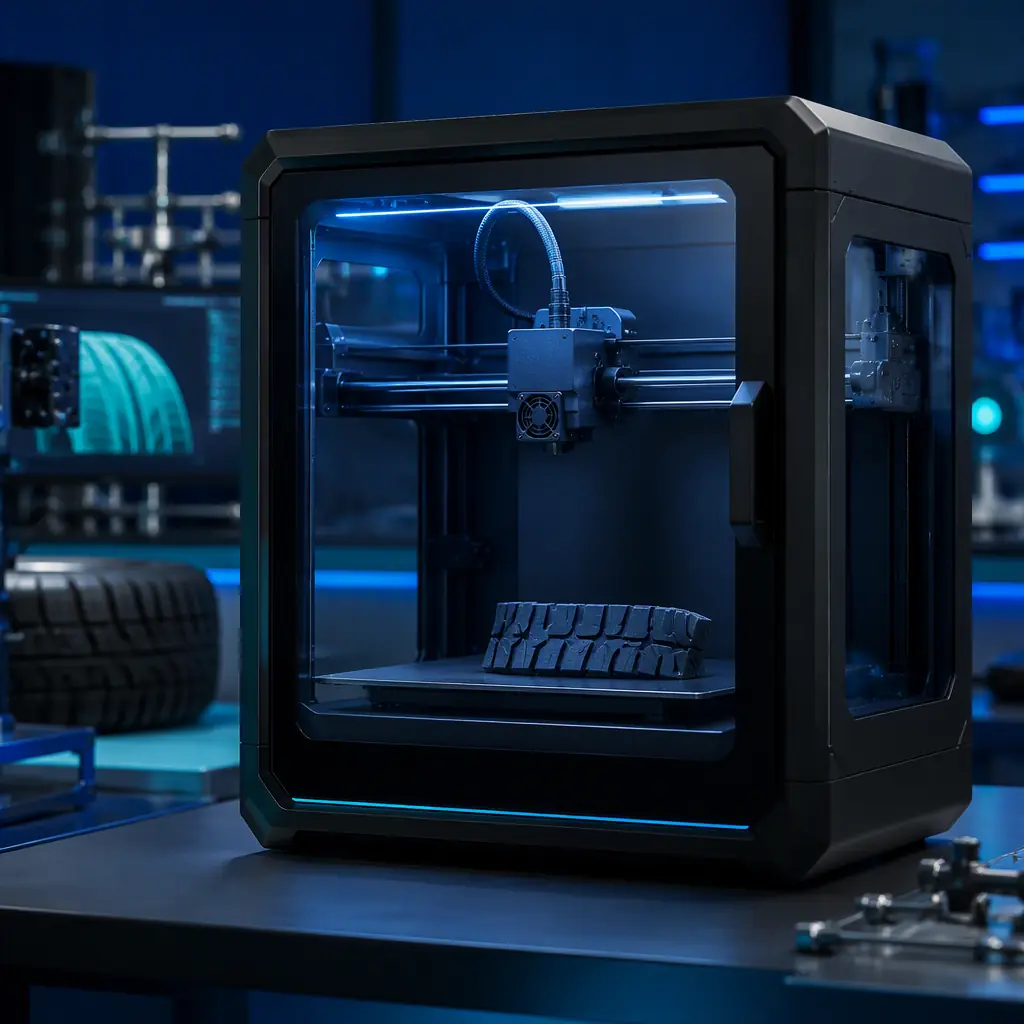
How tire plants and mold makers use 3D printing for tread pattern prototypes, mold inserts, curing fixtures, inspection gauges and legacy spare parts — and.
3D Printing for Timber & Sawmill Machinery
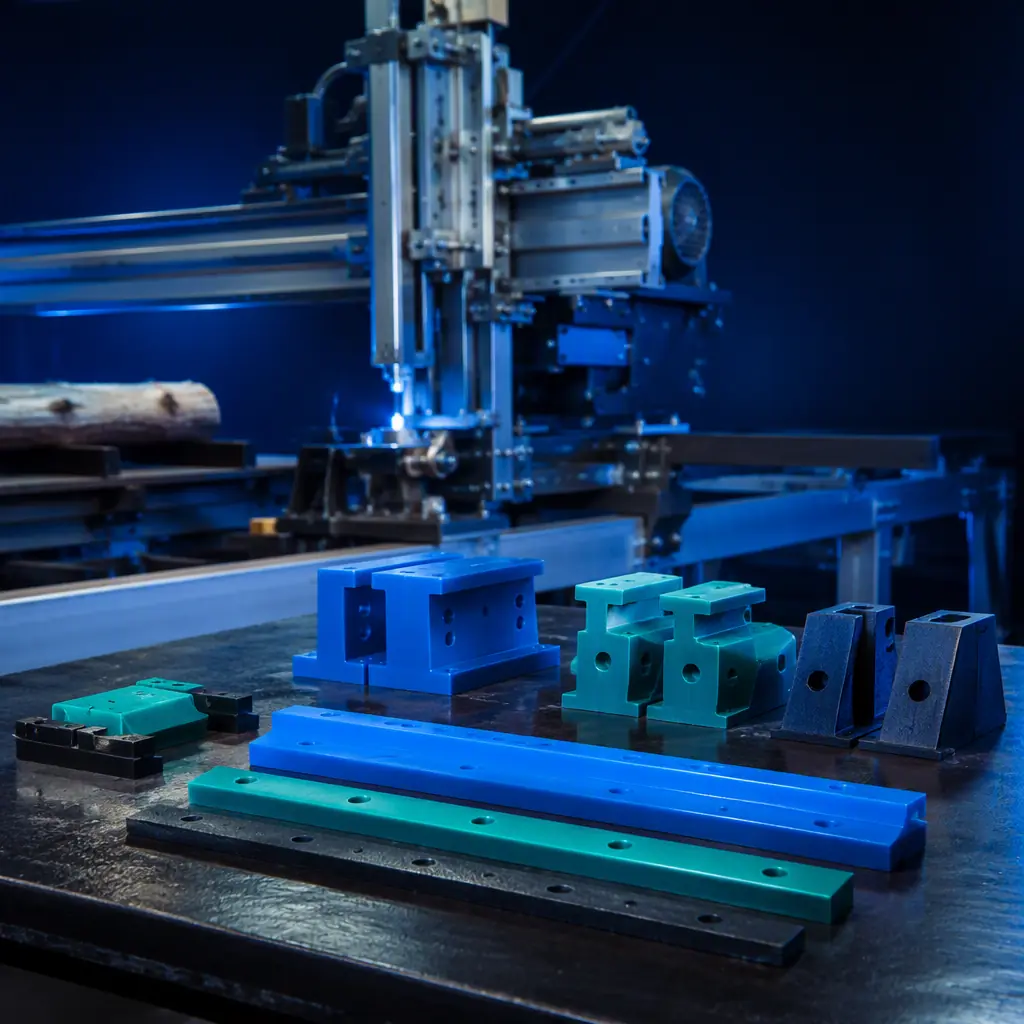
How sawmills, timber processing plants and maintenance shops use 3D printing for guide blocks, wear parts, rollers, debarker components, veneer clips and.
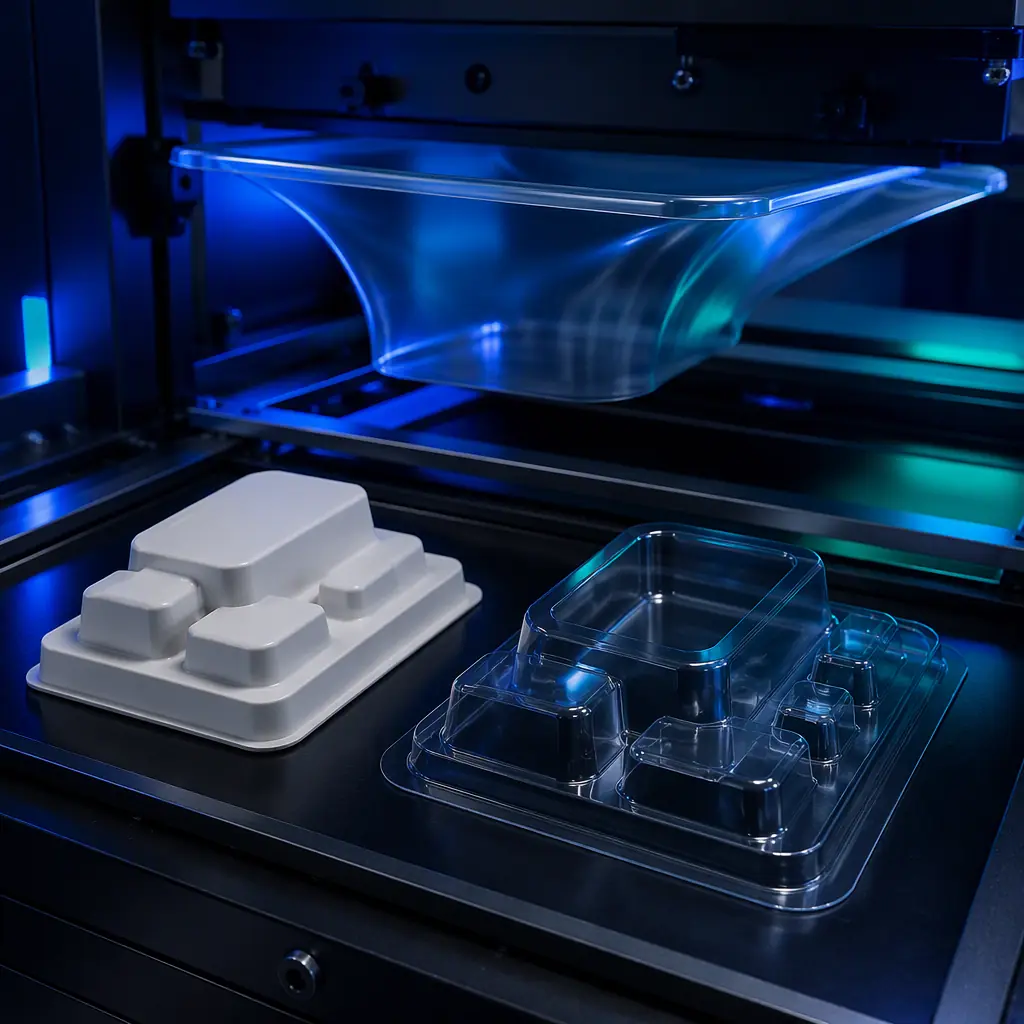
3D Printing for Thermoforming & Vacuum Forming Tooling
How thermoformers and vacuum formers use 3D printed form moulds, vacuum plugs, pressure-form tools, blister tools and trim/trim-mask jigs. Abrasion-resistant.
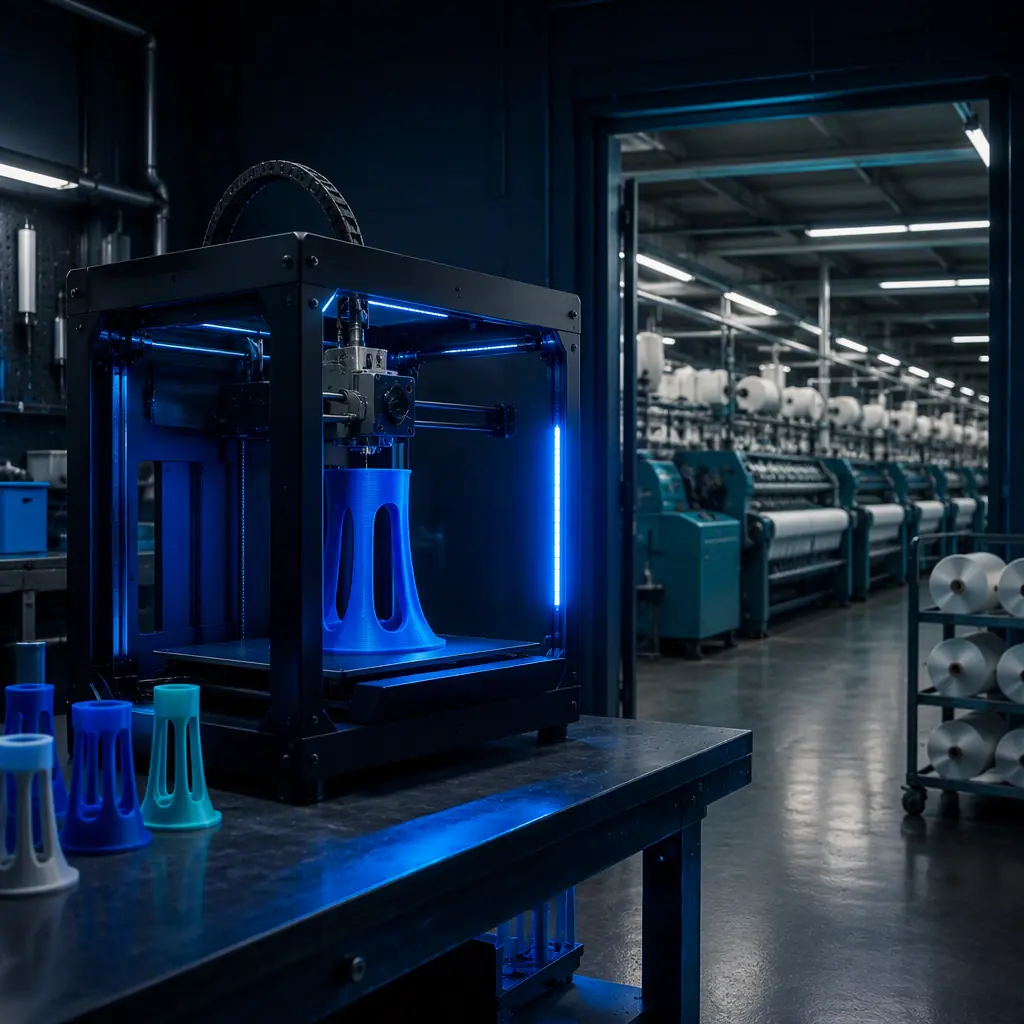
3D Printing for Textile Machinery
How 3D printer distributors sell into textile mills and machinery OEMs: loom spare parts, bobbin holders, machine guards, and the abrasion-resistance data.

3D Printing for Tabletop Gaming & Miniatures
How 3D printer distributors sell into tabletop gaming: resin printers for miniatures, wash/cure station bundles, paint-ready workflow, and the retail margin.
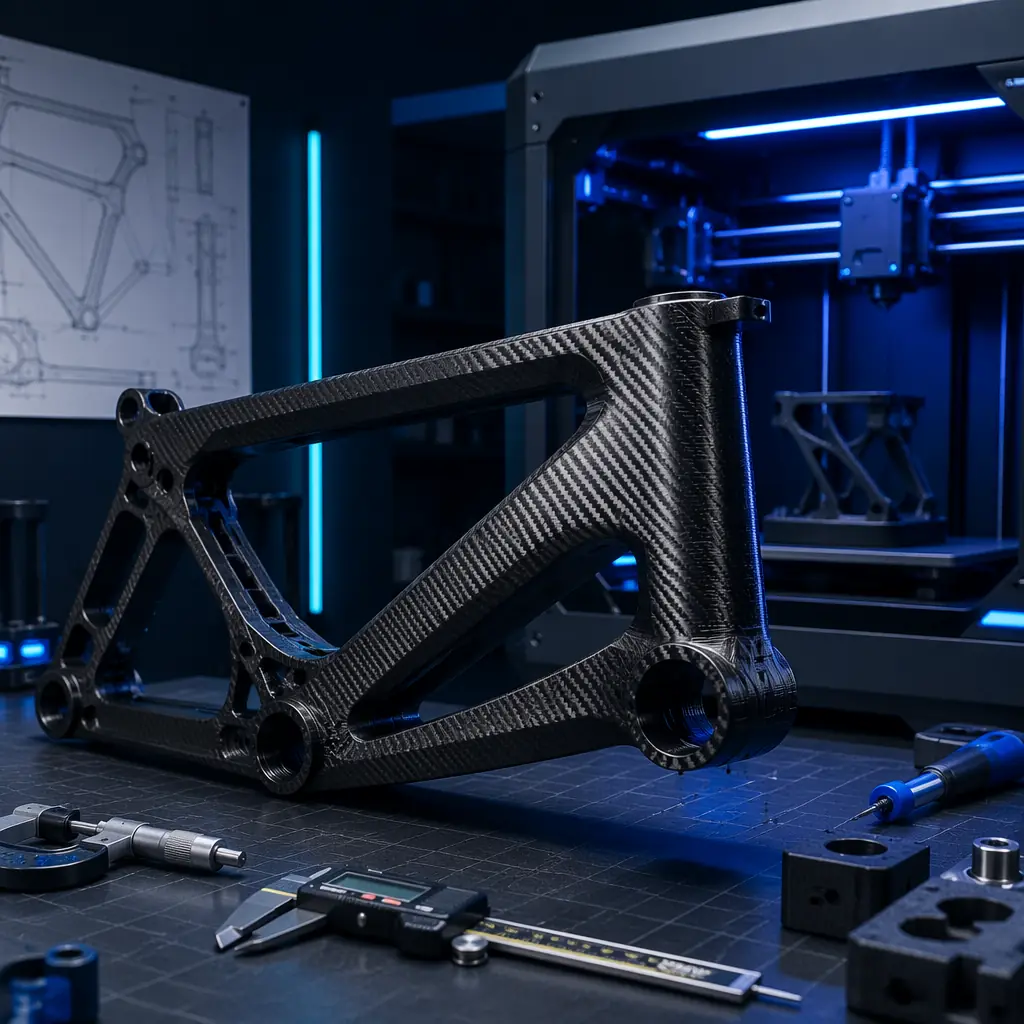
3D Printing for Sports Equipment: A $15B Vertical…
From Nike's 3D-printed cleat plates to Bauer's custom hockey helmets, sports equipment manufacturing has become a $$15B additive manufacturing vertical.
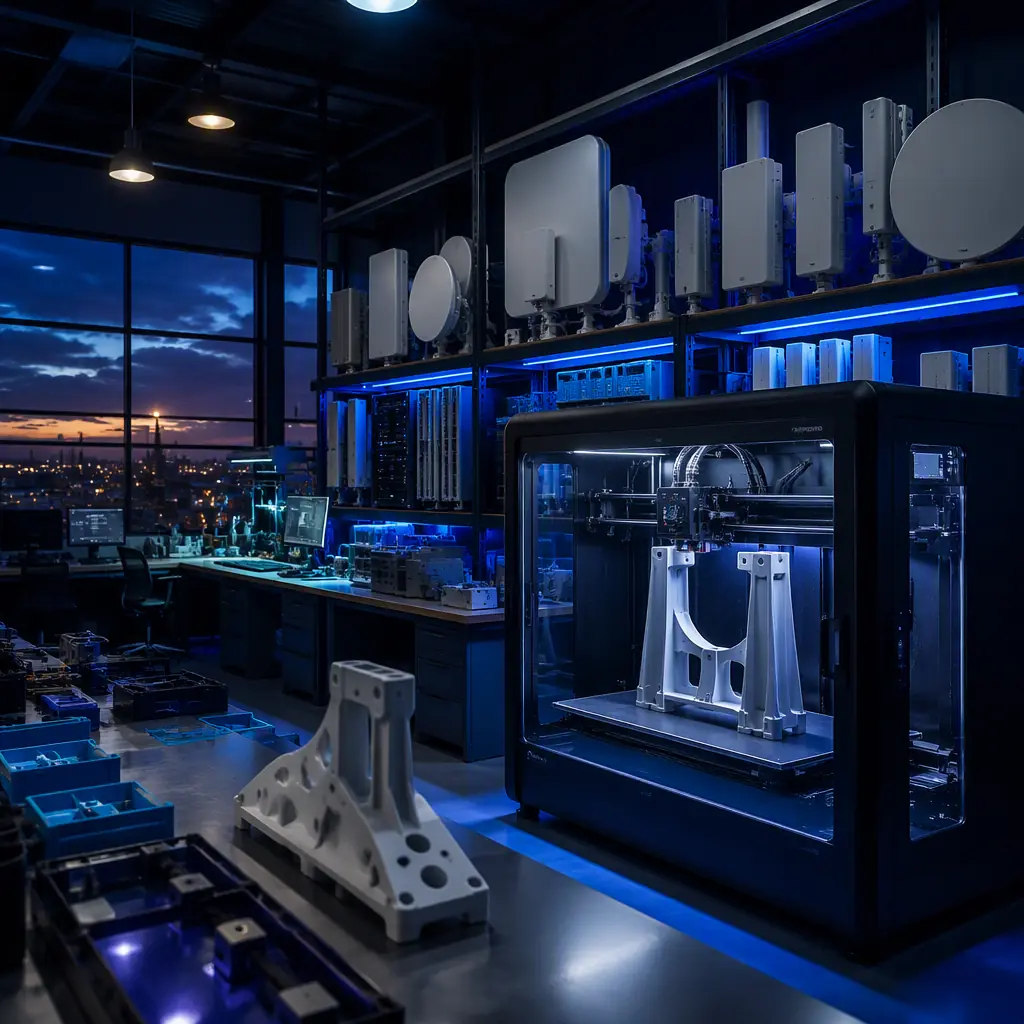
3D Printing for Telecom & 5G: Antenna Mounts, RF Test…
5G rollouts created a parts problem: antenna mounts, radome brackets, RF test fixtures, fiber cable management, and outdoor NEMA enclosures are small-batch.
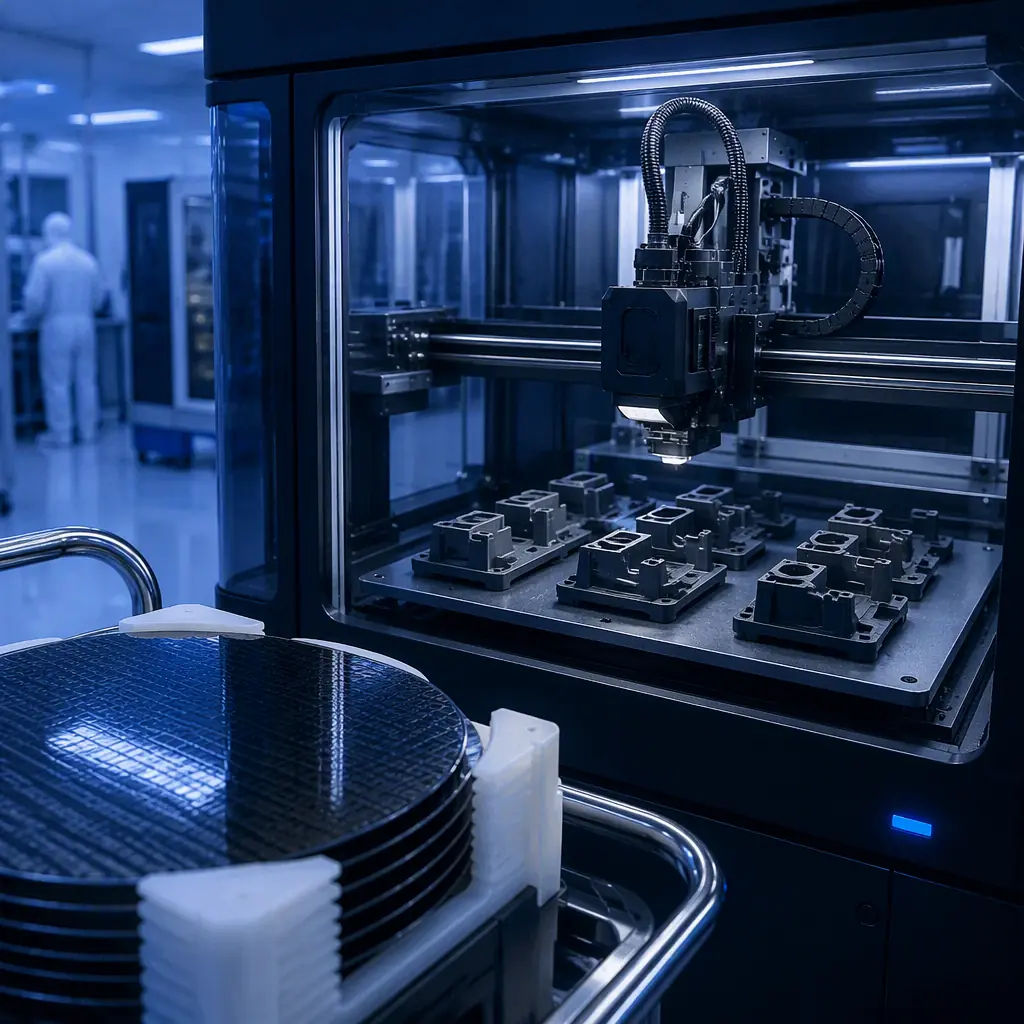
3D Printing for Semiconductor & Cleanroom
How 3D printer distributors serve semiconductor fabs and cleanrooms: ESD-safe materials, wafer handling fixtures, particle-control discipline, and the margin.
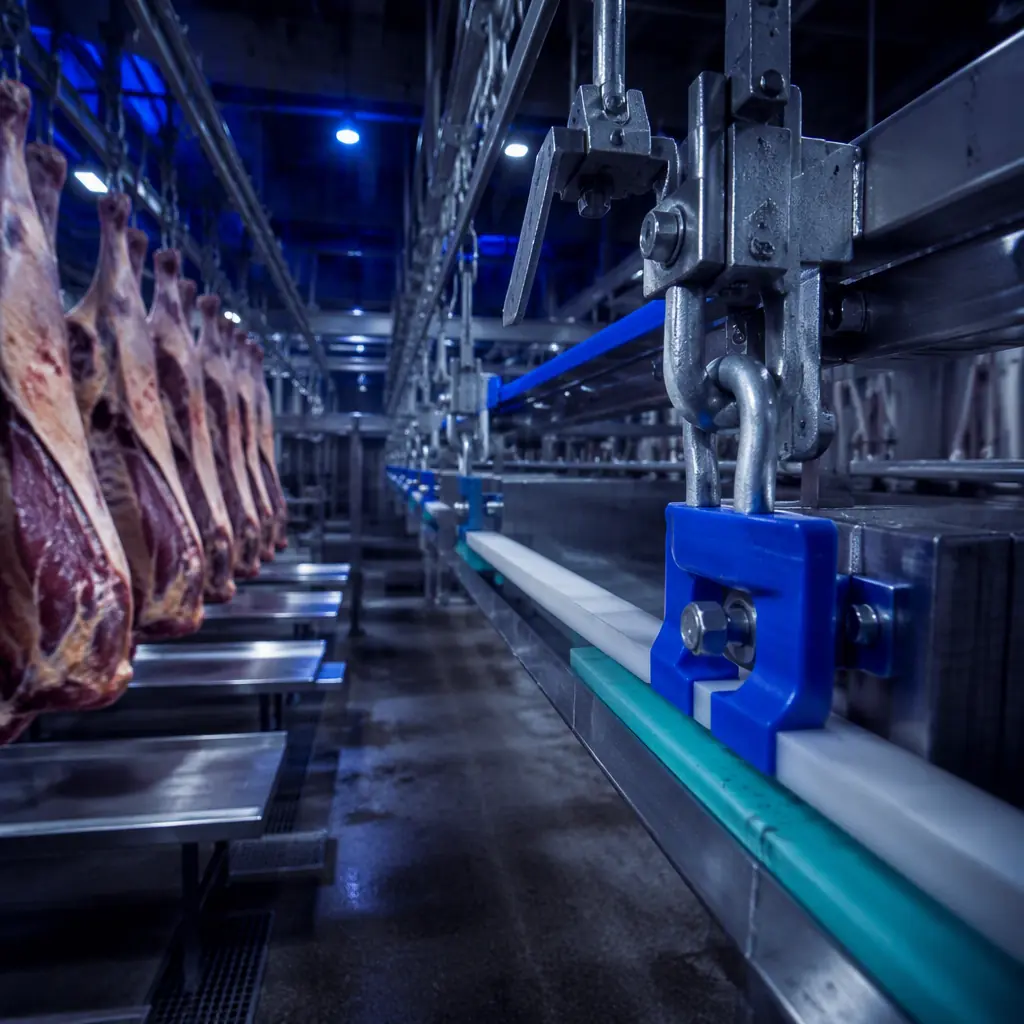
3D Printing for Meat & Slaughter Processing: Distributor
How meat and slaughter facilities use 3D printed cutting templates, shackle conveyors, boning-conveyor wear parts and washdown housings. Food-grade material.