The IP Risk That Grows With Every Printed Batch
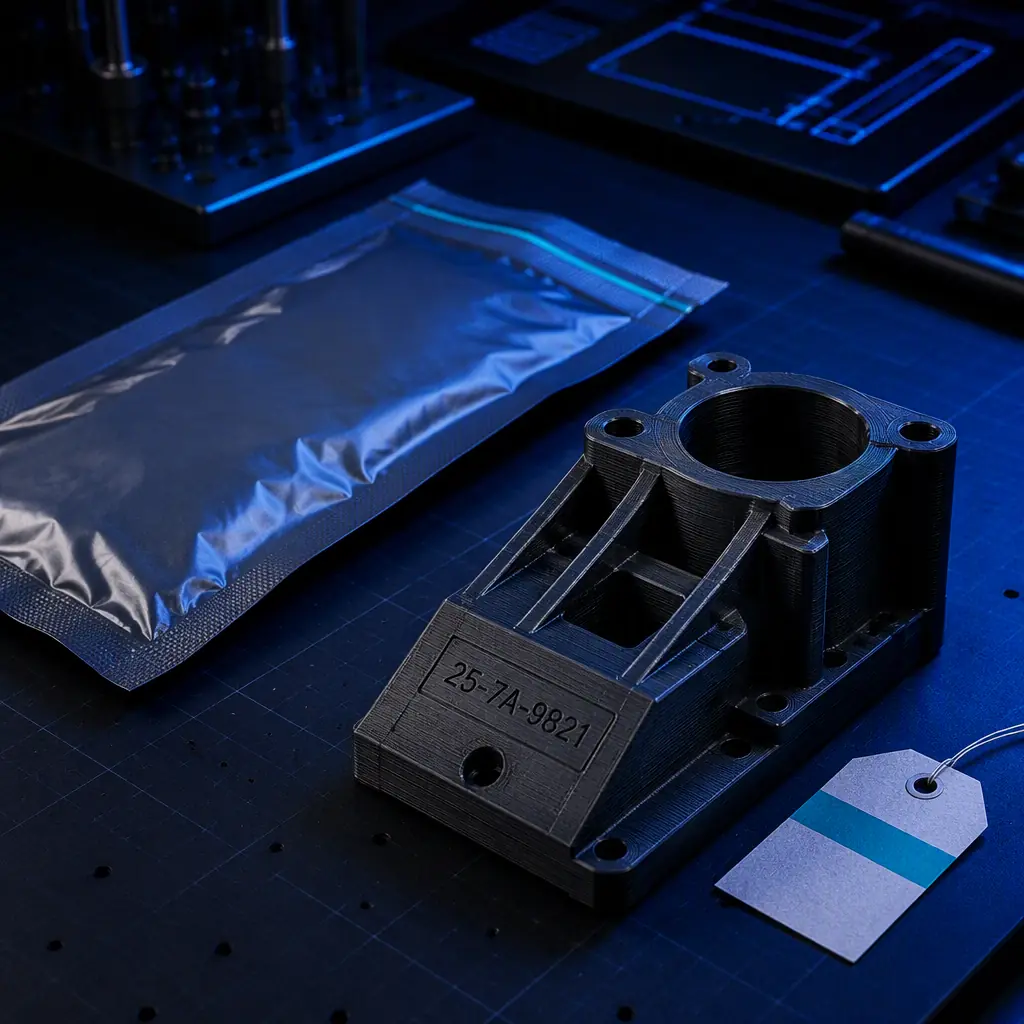
The threat is not the printer on your floor; it is the file on a laptop. A design you licensed or engineered can be exported to an STL, uploaded to a marketplace, dropped into a cloud-print queue, or handed to a customer who prints it offshore. Once it is out, it is gone. In a printed-parts business the margins are built on the design, the tolerance and the know-how, so losing a file cheapens every batch that uses it.
A distributor who means to protect that asset needs to treat the design as an item in the inventory — with a workflow around who touches it, who may print it and under what terms. That commercial hygiene is also the first thing a buyer checks when evaluating whether to share a sensitive custom part with you. For the partnership-and-design side of working with an OEM, our private-label & OEM sourcing guide is the anchor reference.
What Copyright, Design Patents and Utility Patents Actually Protect
Too many people assume a single "patent" covers everything. The reality is layered, and the right tool depends on whether you are protecting the look, the function or the formula.
Copyright in most jurisdictions protects the design as an artistic work once it is fixed in a tangible form — it comes into being automatically, and registration is a low four-figure cost that unlocks statutory damages. The catch is that copyright does not extend to purely functional mechanical features: the gear teeth, the threads, the clip geometry. Those live in the design-patent or utility-patent lane, or in the trade-secret lane if you never release the source. Matching the protection to the feature is the whole game.
How STL Piracy and Design Theft Actually Happen
Piracy rarely looks like a hacker in a hood; it looks like routine sharing. The most common routes a distributor should watch for are mundane:
- File sharing and marketplaces — a customer exports a file and posts it, or a leaked file lands on a paid or free repository.
- Cloud and service print farms — a print-on-demand service holds a copy of your geometry while it fulfils an order.
- Reverse-engineering — a competitor scans a finished part and rebuilds the CAD, sidestepping the file entirely.
- In-house dispersion — an employee or a disgruntled partner walks away with the catalog on a drive.
Each route needs a different countermeasure, which is why a single watermark or a single clause is never enough. For how the channel-protection puzzle fits with pricing and the grey market, our MAP pricing & channel protection guide is directly relevant.
Practical Protections: Watermarking, Licensing and Provenance
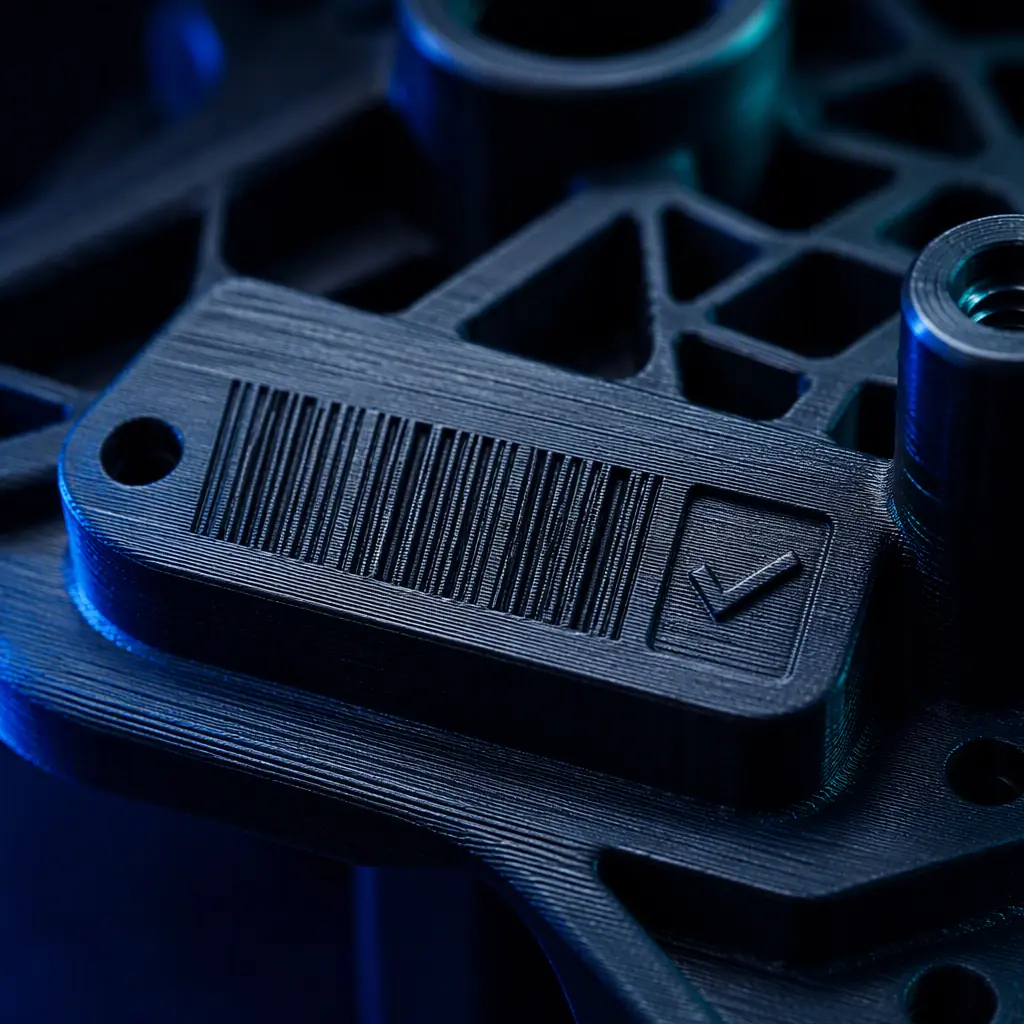
The most resilient protection is one built into the geometry itself. A geometric watermark — a subtle displacement or emboss of a few hundredths of a millimetre, or a patterned surface in a hidden pocket — survives slicing and printing and can be read under magnification to prove provenance. Because it lives in the mesh, it is not removed when the file changes hands, and it does not degrade the part visually.
Licensing is how you monetise a design without giving it away. A well-drafted licence says who may print, in what territory, at what volume, and under what royalty — and it sets the price of an exclusive grant. Alongside licensing, a proof-of-existence hash time-stamped at design release creates a dated record you can point to if a dispute arises. For how an OEM partner thinks about protecting designs it commissions, our open-source vs proprietary guide frames the trade-off from the other side.
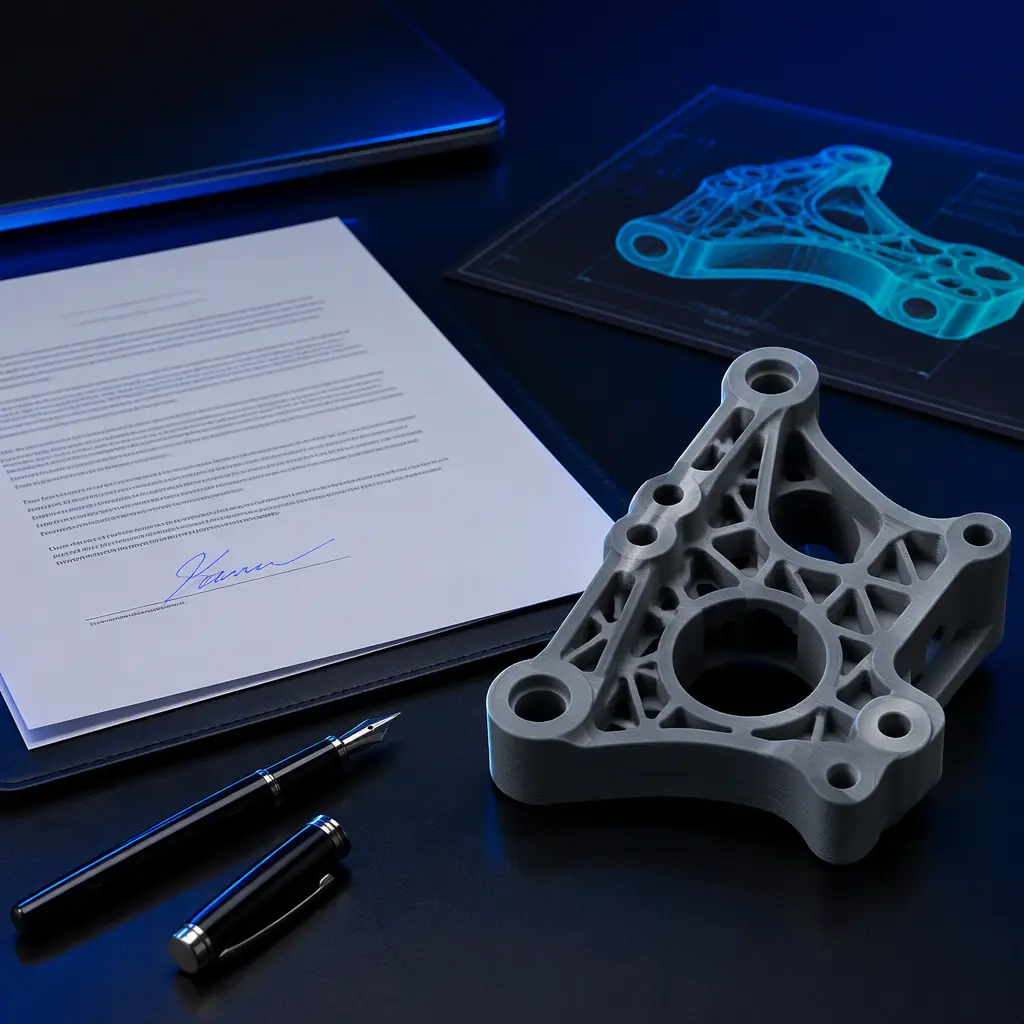
What you're looking for: If the answer to either half is "I couldn't", the protection is missing. A hidden geometric watermark on a couple of faces, a licence that names the territory and volume, and a time-stamped registration give you a provable fact on the first half and a cited right on the second. No watermark + no licence = a grey area that costs far more than the watermark did.
Contracts and NDAs That Close the Gap
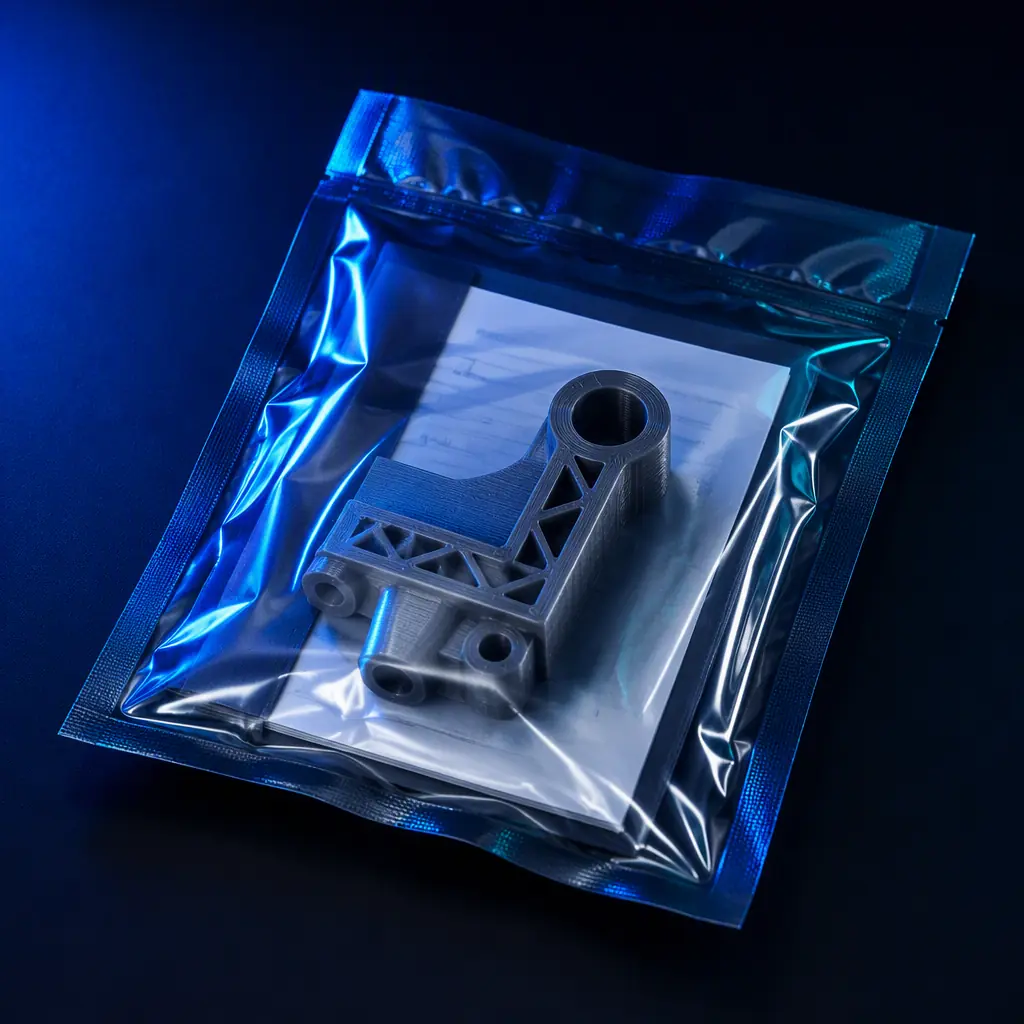
The watermark and the licence protect the asset; a contract protects the relationship. A non-disclosure agreement before a prospective partner sees a sensitive design, an IP assignment clause making clear who owns any derivative part, and a licence that documents volume and territory transform a fuzzy handshake into a right you can point to. When the geometry is a custom part you are printing for a client, the ownership question is the one that must be answered in writing before the first batch.
This is also where the export and compliance dimension enters. A design with defence or aerospace application may sit inside a controlled export regime regardless of how you licence it, and a distributor shipping cross-border must not hand over geometry it is not permitted to send. Our ITAR & EAR export compliance guide covers that boundary.
Enforcement: Takedowns and Legal Recourse
When a leak is found, enforcement is a ladder, not a door. The first rung is a marketplace takedown — most download platforms and sales channels have a copyright or IP policy and a counter-notice procedure, and a registered copyright makes a takedown far stronger. The next rung is a cease-and-desist letter. Above that sits formal action, where a registered design or utility patent becomes a genuinely citable right rather than a claim. None of this is cheap, which is why the cheap protections — watermark and licence — should be in place before a problem exists.
The practical rule is to make a mistaken use an unambiguous breach, not a grey area. A watermark that is visible under a microscope, a licence that plainly states the limit, and a registration on file all make a copycat case a quick one. For documenting the record and the QC trail around a custom part, our B2B RFQ & proposal playbook shows how the design-context is kept clean in a quote.
What Distributors Should Put in Place on Day One
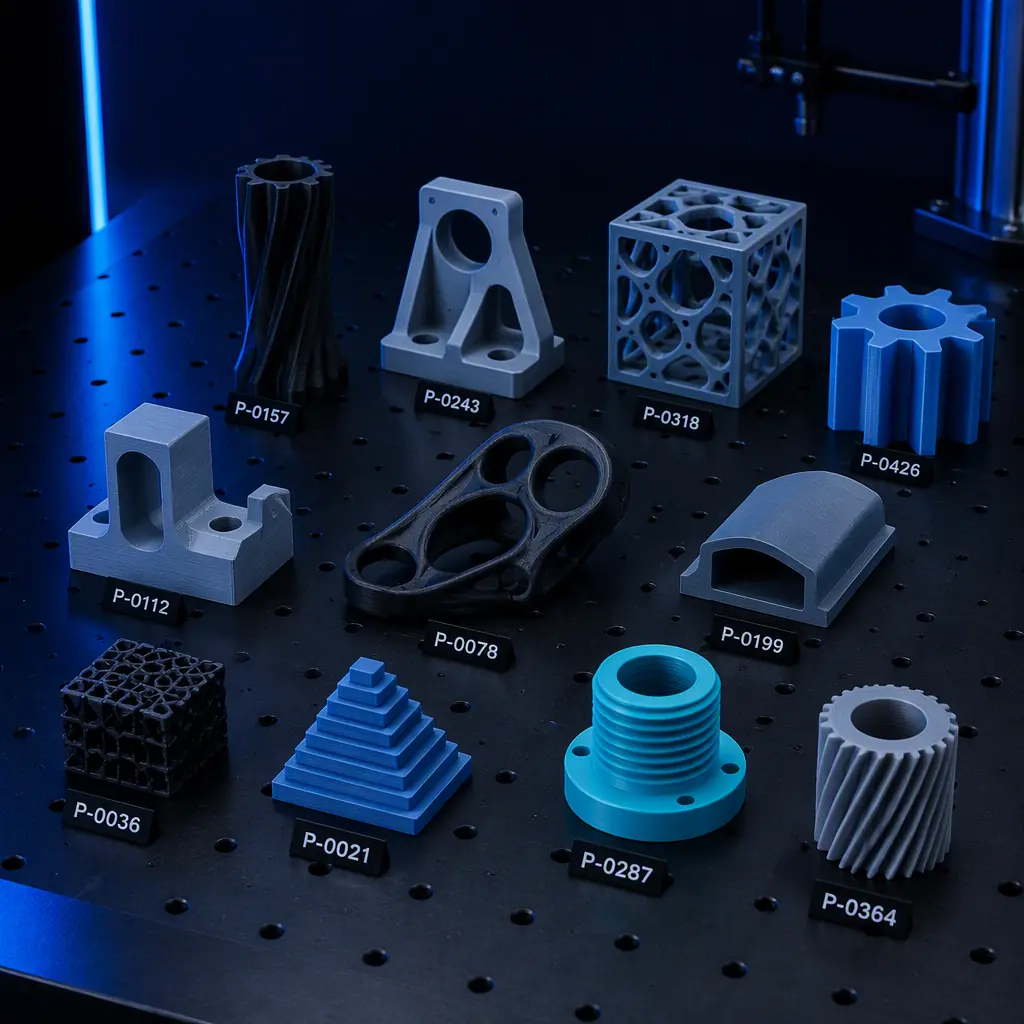
You do not need a legal department to be defensible. The practical baseline is a short list of habits:
- Watermark your files — embed a geometric identifier on every part you intend to protect.
- Licence, don't hand over — issue a licence that sets territory, volume and price instead of a blanket file transfer.
- Register the designs that matter — design or utility patent for the high-value geometry, copyright for the artistic pieces.
- Sign an NDA first — before a prospect sees a sensitive custom part.
- Log provenance — time-stamp the design release and keep the QA record in one place.
The distributor who does this protects the geometry and, by extension, the margin on every batch it ships. For the compliance register behind our own quality and trade controls, see the certification register.
How Precise3D Helps Partners Ship Producible, Protectable Designs
At Precise3D we engineer precision 3D printers in our Shenzhen network and test every machine before packing, and we build partner workflows around the real commercial concerns — provenance, tolerance, finishing and the materials that make a part producible. Our capabilities, engineering and distribution program pages outline that depth.
If you are evaluating us as a supplier of printers destined for a printed-parts business, the honest first step is a 1-5 unit sample order at wholesale pricing, tested in your own market. Custom branding begins at 100 units. Our RFQ playbook walks through how a production inquiry and its design file are handled end to end.
Reviewed by the Precise3D engineering & compliance team. IP protection terms, patent terms, licensing ranges and registration costs reflect general jurisdiction guidance and should be validated against local counsel. Auditable quality and compliance backing is held in the certification register.
Protect the Geometry
Ready to Build a Printed-Parts Business With a Partner Who Gets IP?
Join our network of global distributors. Precision printers, print-tested machines and a partner program built around produceable, protectable design — from provenance to finishing, ready for your market.