Why Counterfeiting Hits 3D Printing So Hard
Two things make 3D printing unusually exposed. First, the machines are assembled from commodity components — an aluminium frame, stepper motors, a controller board. A workshop with a metal bender and a supplier catalogue can put together a unit that looks indistinguishable from a genuine one on the outside. Second, the consumables are branded and recurring, which gives a counterfeiter a repeat revenue stream rather than a one-off sale.
That means the counterfeit problem is not one cheap clone on a marketplace. It is a parallel economy of fake printers, fake filament and fake spare parts, and it erodes the trust that a legitimate distributor spends years building. The channel-control and IP angle is covered in the MAP pricing & gray market guide and the IP protection & STL piracy guide, which deal with the pricing and copyright side of the same threat.
The Real Cost Hits Where the Badge Is
The economic harm is easy to quantify; the reputational harm is what actually hurts a distributor. When a fake printer fails, the customer does not file a complaint with the counterfeiter. They file it with the brand, with support, with the distributor who sold it. Every fake unit is a support ticket you did not earn, a liability you did not cause, and a story the customer tells the next buyer.
The counterfeit power supply is the one to take most seriously. A cheap PSU is exactly why the PSU selection guide and the safety & thermal runaway guide treat the component as a safety item rather than a part number, and why certification evidence matters as much as a spec.
How to Recognise a Knock-Off
Distributors who have handled the same machine for years develop an eye for a fake. The tells are consistent and worth writing down for your own team.
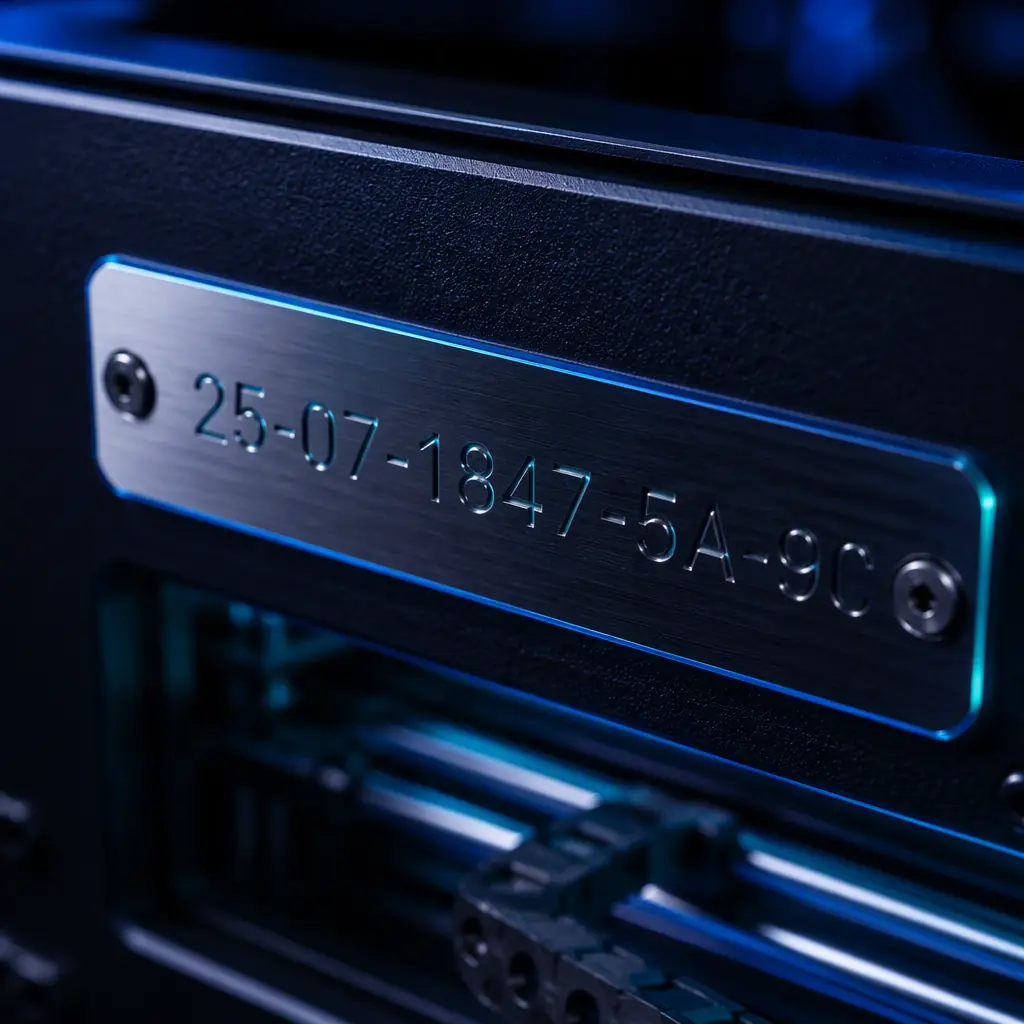
- Serial and marking quality — a faint, misaligned or oddly spaced engraving is the first giveaway, common on copied frame plates.
- Component provenance — unbranded motors and controllers where the genuine unit carries a part number.
- Packaging and documentation — a missing CE/RoHS report or a label that does not match the machine is a red flag.
- Price far below market — if it is too cheap, the margin is being cut somewhere you cannot see.
- Supply path — an address you cannot verify and a seller who cannot name the factory.
The supplier-file discipline that prevents this in the first place is the subject of the factory audit & QC checklist, which is how a buyer verifies that the machine it is quoted is the machine it will receive.
Building an Authentication Layer
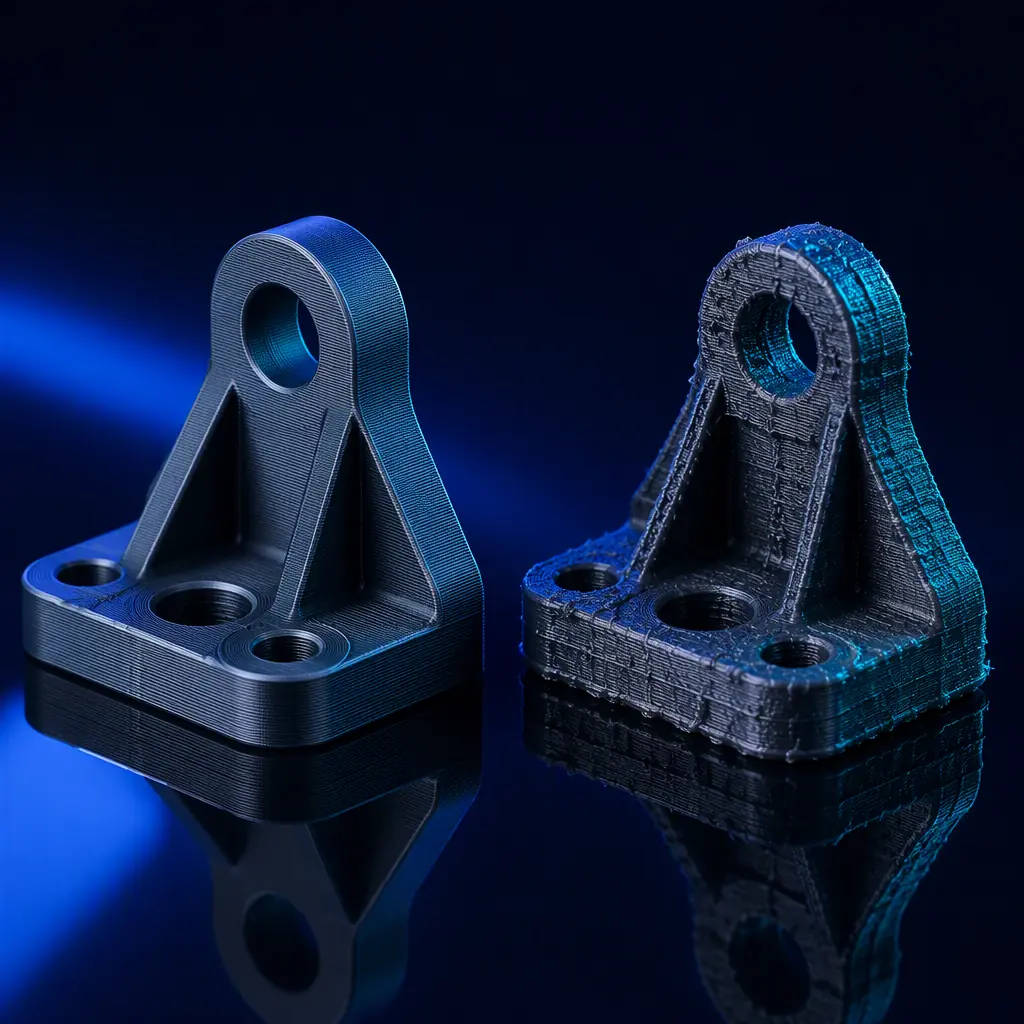
The counter to counterfeiting is not a single identifier, it is a layered verification a customer can actually check. The stronger your authentication is, the more it becomes a reason to buy from you rather than a cost to tolerate.
A registry that a customer can consult is the hidden value. When a buyer can scan a sticker and confirm the unit is genuine, they are not just reassured — they have a reason to buy from the distributor who offers it. The commercial shape of that deal is covered in the private label & OEM sourcing guide and the return fraud prevention guide.
Protecting the Consumables Revenue
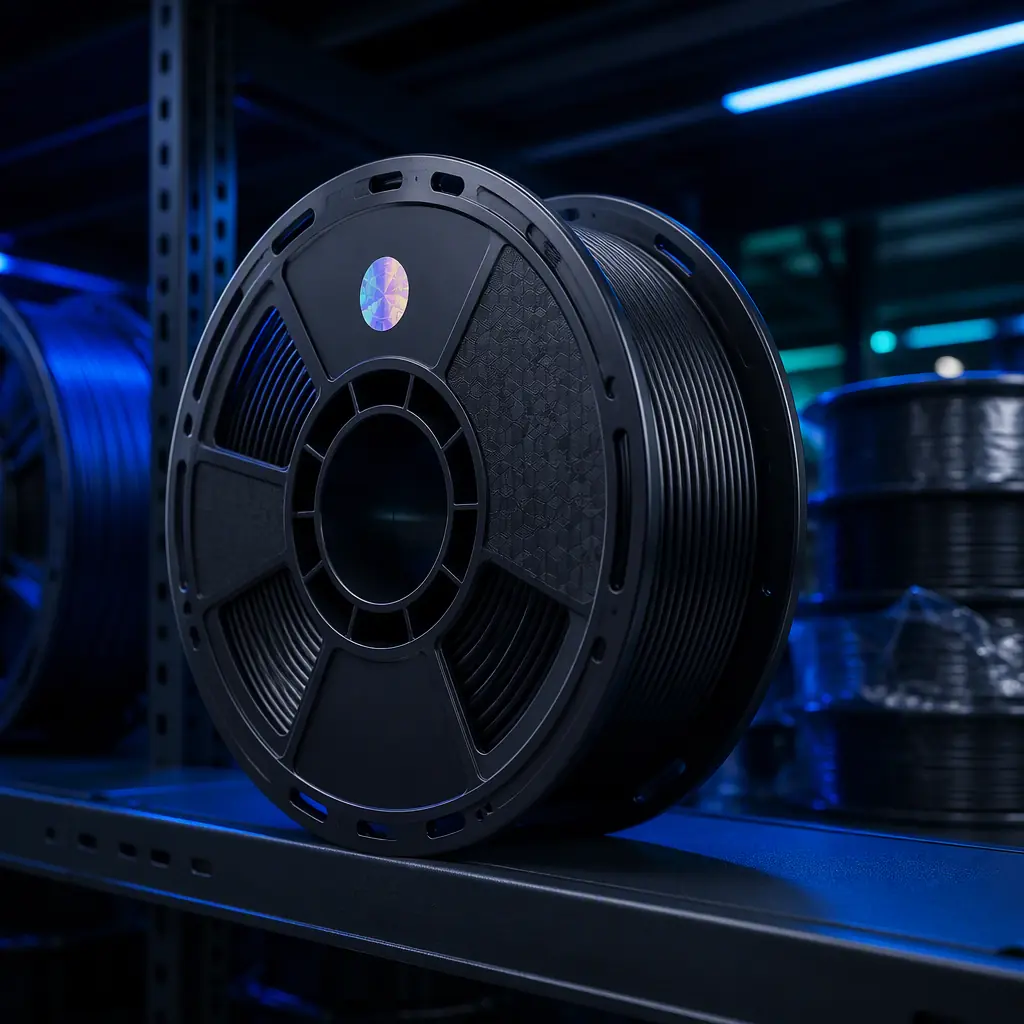
Filament is where the counterfeit pressure is most persistent, because it is a recurring purchase and the biggest single consumable spend for any printer owner. A counterfeit spool that uses off-spec material is not just a lower-quality print; a strand that breaks mid-job or a diameter that drifts produces failed prints the operator blames on the machine.
Verification on consumables is simpler than on machines: a tamper-evident seal, a serialized label and a registry check. This is the layer that protects the recurring revenue documented in the consumables & accessories bundling guide and the spare parts aftermarket guide. For the filament quality angle itself, the filament quality evaluation guide describes the diameter-tolerance and drying checks a genuine supplier stands behind.
Genuine Parts as a Value Story
The most effective framing is protection, not restriction. A customer is not buying a rule that says "only use our parts," they are buying a guarantee that the parts they use will not void the machine or cause a fault. When a distributor frames genuine consumables and spares as the way to protect the investment, the conversation changes from "buy from us" to "here is how we keep your machine working."
That is the same service-led thinking behind the warranty & returns guide, which keeps the genuine-versus-aftermarket line clear in the service workflow rather than ambiguous. And it is why the certification angle in the certification compliance guide matters — a genuine part has evidence behind it, a fake one does not.
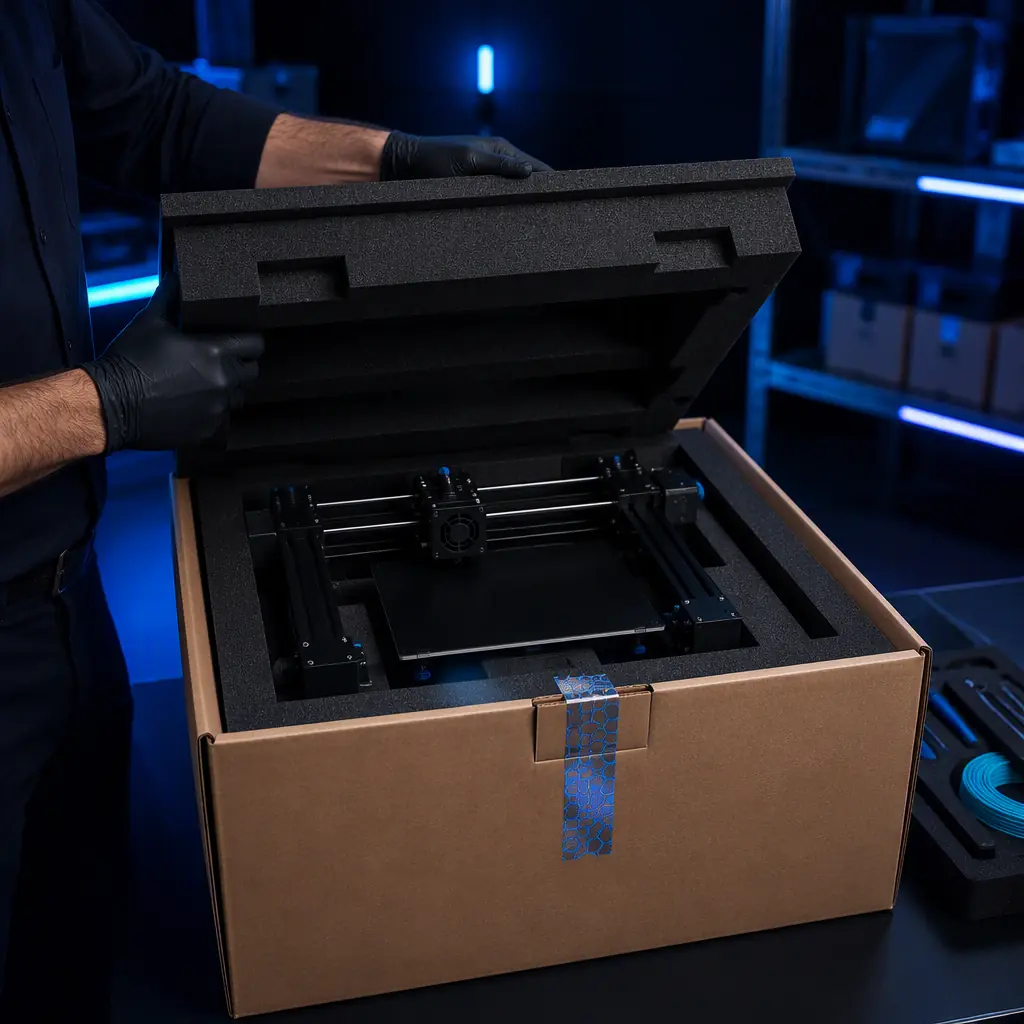
What you're looking for: If the answer is "we would need to check with the factory" and there is no registry, you have no authentication layer. Put a checkable serialized/verifiable identity on every genuine unit and part, and give your team a documented way to log a suspected counterfeit before it becomes a support claim.
How Precise3D Protects Its Channel
At Precise3D we run a 3,500 sqm Shenzhen production network with four assembly cell groups and a dedicated burn-in and aging line, and we control the full bill of materials rather than assembling from an anonymous parts bin. Every unit carries traceable identity, and our machines ship with CE LVD (EN 62368-1:2014+A11:2017) and RoHS (EU 2015/863) documentation so the compliance file matches the claim. That is what lets a distributor stand behind a machine and its parts with confidence.
Custom branding and OEM white-label starts at 100 units, and the fastest honest validation is a one-to-five-unit sample order at wholesale pricing, tested in your own market before you commit. Our certification compliance guide and the OEM sourcing guide show how a verified supply chain keeps the provenance story intact from factory to customer.
Reviewed by the Precise3D OEM & distribution team. Authentication and counterfeiting mitigation are market- and product-specific; always confirm the verification method, registry access and liability terms for your particular product, market and distribution channel with qualified legal and product-safety resources before you quote.
Source With Confidence
Ready to Sell Genuine, With the Proof?
Join our network of global distributors. Traceable identity, controlled BOM, compliance on file, and the anti-counterfeit story that protects your brand and your customer.