The Cash Flow Problem a Bonded Warehouse Solves
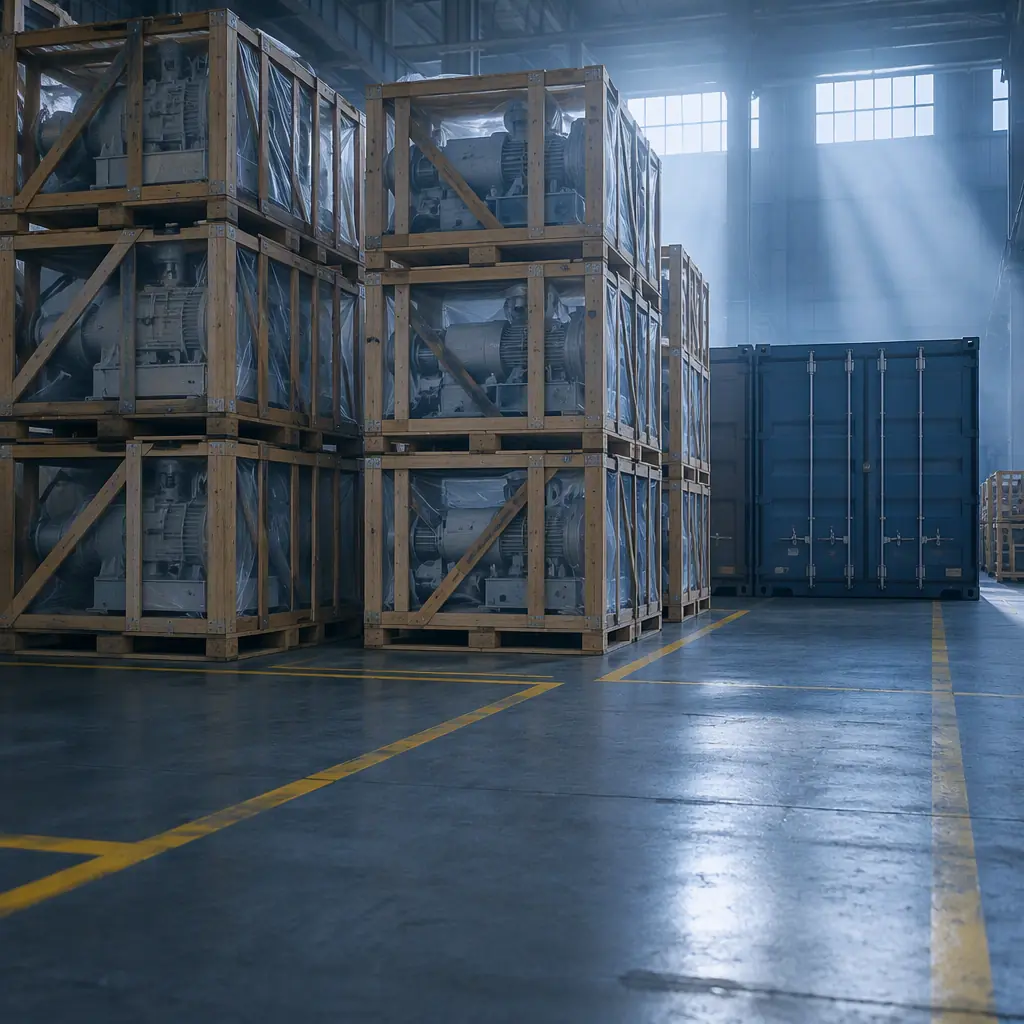
Duty and import VAT are payable at the moment goods enter the customs territory, which for a distributor means the tax bill arrives months before the revenue does. A container of machines landed in Rotterdam can carry a five-figure duty and VAT liability due on entry, while the machines themselves sit in a warehouse waiting for a sales cycle that may run ninety days or more. Bonded storage changes that timing without changing the amount owed.
The mechanism is simple. Goods entering a bonded warehouse or free trade zone are not yet entered for home use. Duty and VAT are suspended until they are released to the domestic market, and if they are re-exported instead, the liability never arises at all. For a distributor that holds stock for a resale pipeline, the effect is a working capital release that costs nothing in tax terms.
What Deferral Is Actually Worth, Worked Through
Deferral is not free money. Bonded space costs more than ordinary warehouse space, and the compliance overhead is real. The question is whether the carrying cost of the tax bill exceeds the cost of bonded handling, and that is a straightforward calculation once the numbers are on the table.
In most EU jurisdictions the import VAT is recoverable by a VAT-registered importer, so the true cash cost is the delay in reclaiming it rather than the tax itself, and the deferral gain shrinks accordingly. That is the first thing to check before committing to a bonded programme, and it is the reason a generic "save 21%" claim is misleading. Where deferral genuinely pays is on the duty line for high-tariff classifications, on goods held for long periods, and critically on goods that may be re-exported, where the liability is extinguished rather than deferred.
Bonded Warehouse vs Free Trade Zone vs Ordinary Warehouse
The three structures are often used interchangeably in conversation and are not interchangeable in practice. What differs is where customs control sits and what operations are permitted inside it.
The distinction that catches importers is manipulation. Repacking cartons, applying local labels and testing a machine are normally permitted in a bonded facility. Disassembly that changes the origin or the tariff classification of the finished product is not, and treating a bonded warehouse as a light assembly plant is one of the more common findings in a customs audit.
What You May and May Not Do Inside
For 3D printer importers the practical menu is narrower than it first appears. Permitted in most bonded regimes: removing shipping crates and palletising to local standards, applying language-specific labels and manuals to the outer packaging, opening a machine for a pre-delivery inspection and re-sealing it, flashing or updating firmware before release, and taking a machine to a customer site on a temporary removal for demonstration.
Not permitted: replacing a major assembly in a way that changes the origin of the machine, converting a kit into a finished unit for classification purposes, or combining components from different origins into a new product. Each of those is a processing operation with its own regime and cannot be done under a storage authorisation. The line to hold in mind is that bonded storage lets you handle goods, not transform them.
The Compliance Records That Decide the Audit
Bonded status is a permission, and permissions are withdrawn on paperwork rather than on suspicion. Four records carry most of the weight.
- Stock reconciliation. A perpetual inventory showing every unit by serial number, in, out and on hand, reconciled at a stated interval. Aggregate counts by SKU are not sufficient for serialised machines.
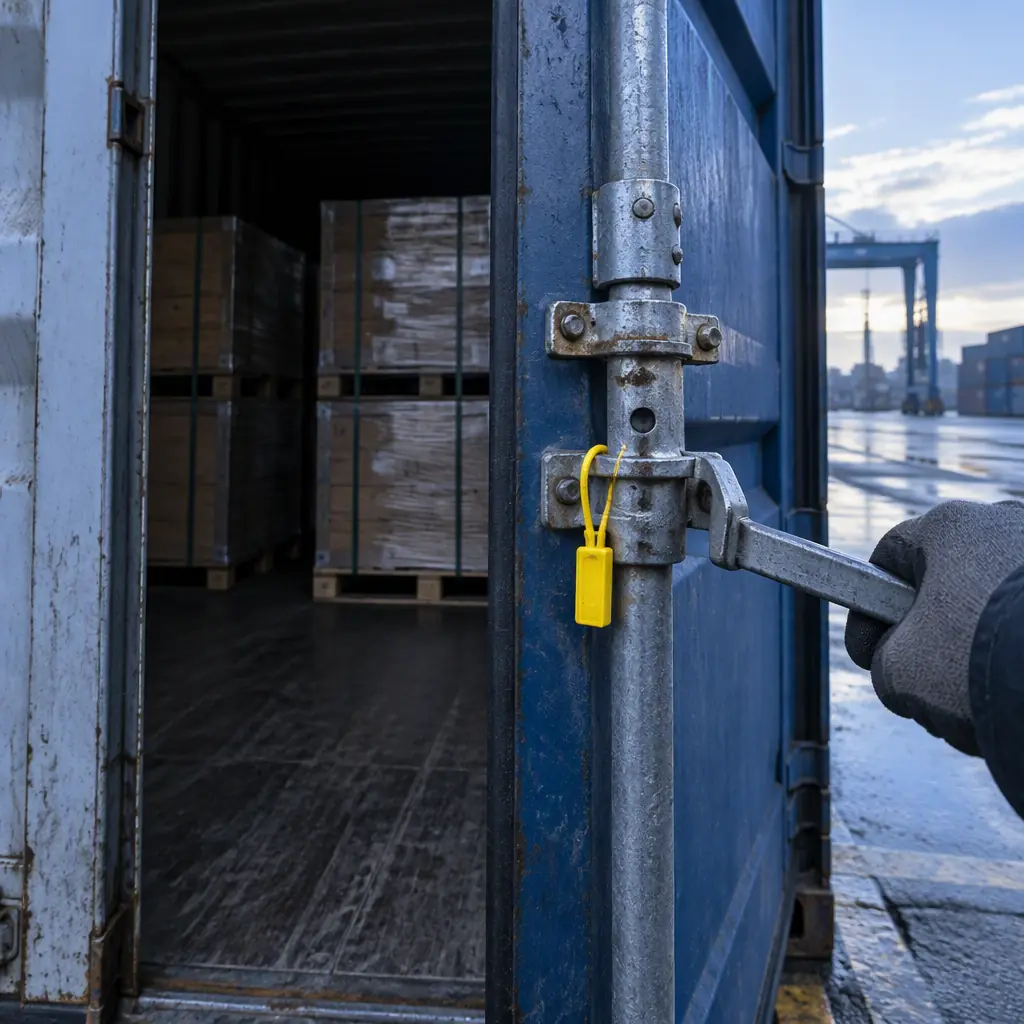
- Movement notification. Removal for home use or re-export declared within the statutory window, which in most jurisdictions is a matter of hours rather than days. Late declaration is the most frequent cause of penalties.
- Shortage reporting. A defined threshold and a defined notification route for discrepancies. A facility that discovers a missing unit during a count and reports it late looks like a facility with a problem.
- Documentation trail per unit. Commercial invoice, packing list, transport document and certificate of origin retrievable by serial number, not by shipment folder.
Serial-level traceability is the requirement that separates importers who can use bonded storage from those who cannot. A supplier whose packing lists are counts rather than serial numbers forces the importer to build the record locally at the point of unloading, which loses the benefit of bonded entry. This is where supplier documentation practice becomes a commercial enabler rather than an administrative nuisance.
When Deferral Is Not Worth It
Three situations where the arithmetic turns against bonded storage, and it is worth recognising them before signing a lease. Low-duty classifications, where the duty line is a rounding error and the deferral saves little beyond the VAT reclaim timing. Fast-turning stock, where machines are sold and released within thirty days, so the deferral window is too short to cover the bonded premium. And high-value machines sold into a single large project, where an ordinary warehouse plus a duty deferment account achieves the same cash flow effect with none of the perimeter controls.
Bonded storage earns its place on steady resale inventory held for months, on mixed shipments where a proportion will be re-exported, and on businesses that need to hold stock ahead of a duty rate change without triggering the liability. Outside those cases the premium is better spent on stock. Duty classification itself is the upstream question, covered in our HS codes and tariffs guide, and forced-labour documentation is a separate admission requirement covered in our UFLPA traceability guide.
Choosing a Facility: Six Questions
Bonded facilities vary widely in competence, and the difference is invisible from a rate card. Ask these six before committing.
The question that reveals the most is the second. A facility that cannot give a serial-level stock view without an email request is running bonded storage on spreadsheets, and the reconciliation risk lands on the importer who owns the liability.
How Precise3D Ships Into Bonded Programmes
Our export documentation is built for bonded entry rather than adapted to it. Every shipment carries a commercial invoice and packing list itemised at serial level, certificates of origin issued per shipment, and full compliance files (CE LVD EN 62368-1:2014+A11:2017, RoHS 2 under EU 2015/863) available before the goods leave Shenzhen. Machines ship crated to ISPM 15 timber standards with the crate and machine serials cross-referenced, so the importer's bonded record can be built at unloading rather than reconstructed later.
From a 3,500 sqm production network with a documented incoming and outgoing control plan, we also support partial releases: a shipment can be split so that one portion enters home use immediately and the balance remains suspended, which is the arrangement most distributors actually need. Consolidation and crating practice is described in our crating and packaging guide, overall freight routing in our China logistics guide, and holding stock on a bonded basis with the supplier is available under the structures in our consignment and VMI guide.
Reviewed by the Precise3D export and engineering team. Duty rates, VAT treatment and bonded regimes differ by jurisdiction and change with legislation. The figures above are worked examples for illustration, not tax advice; confirm classification, VAT recovery and authorisation scope with your customs broker before committing to a bonded programme.
Shipping Into a Bonded Programme?
Request the Serial-Level Export Documentation Set
Send us your destination market and the bonded or free trade zone facility you are working with. We will confirm what documentation we issue per shipment, how serial-level packing lists are structured, and how a partial release can be arranged so only part of a container enters home use.